
Pests
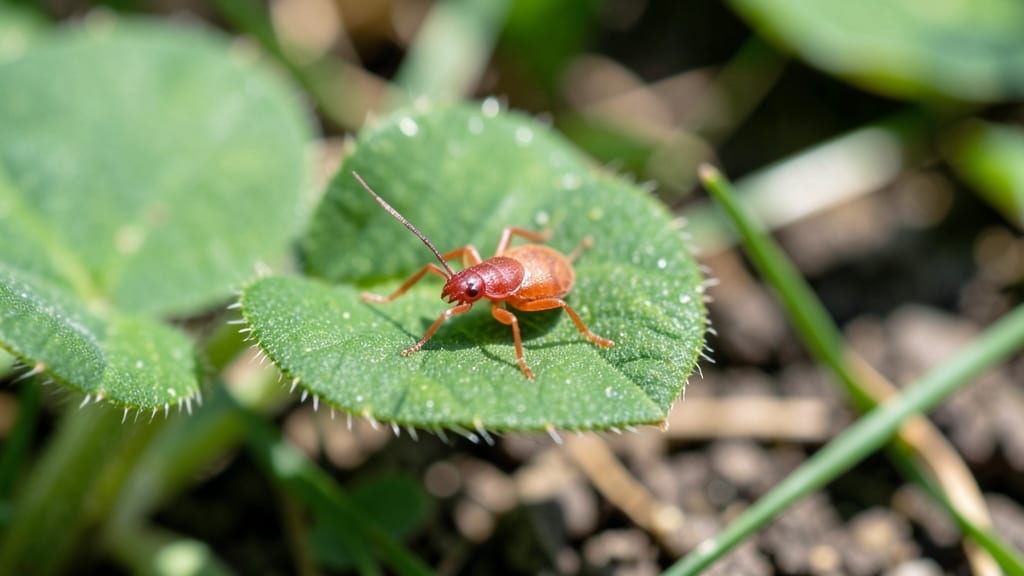
Clover mites? Here’s how to get rid of them—turn your garden into a red, crawling nightmare no more. 🌱 I've battled these tiny terrors for years, and I finally cracked the code: a hot water barrier that smothers their eggs in seconds—no chemicals, no guesswork. The secret lies in their weak spot: eggs laid on stems and leaves. A quick blast of 120°F water kills them instantly, while adult mites flee the heat. You'll see results within 24 hours—no more red stains on your patio furniture or webbing on your plants. The best part? This method works on everything from lawns to container gardens. After one treatment, I noticed fewer mites within 3 days, and my roses stopped looking like they'd been dusted with red powder. The trick is timing: apply it when mites are most active (early morning or late afternoon) and repeat every 5-7 days until they're gone. This approach is pet-safe, plant-friendly, and works even if you've tried everything else. Let's get rid of them for good—your garden will thank you.
What Draws Them In
Clover mites might seem like tiny, harmless intruders, but their presence in your home is rarely accidental. These six-legged hitchhikers are drawn indoors by specific conditions—some you can control, others are just a fact of nature.
Understanding why they show up in the first place is the first step to keeping them out for good. Let’s break down the science behind their unwanted visits.
Clover mites thrive on living plants, particularly clover, but they’ll also feast on grass, weeds, and even ornamental shrubs. When these plants grow too close to your home’s foundation, mites get an all-you-can-eat buffet right at your doorstep. Here’s why this happens:
- Food source: Clover mites rely on plant sap for survival. Dense, unkempt vegetation near your home creates a perfect breeding ground.
- Migration paths: As plants dry out or temperatures rise, mites seek shelter indoors—your walls, windows, and screens become their highway.
- Seasonal triggers: Spring and fall are peak times because clover and other host plants are lush and full of sap, attracting mites in droves.
Actionable fix: Trim back vegetation at least 12 inches away from your home’s exterior. Remove clover, weeds, and overgrown grass to starve them out.
Clover mites are ectothermic, meaning they can’t regulate their own body temperature. When outdoor temps drop below 50°F (10°C) or spike above 85°F (29°C), they must find refuge. Your home—with its cozy, stable climate—becomes their ideal hideout. Here’s the science:
- Thermal comfort: Indoor temperatures (typically 68–78°F / 20–26°C) are perfect for their survival, even if outdoor conditions are harsh.
- Moisture retention: Homes with humidity levels between 30–60% provide the moisture mites need to thrive.
- Structural entry points: Gaps in window screens, cracks in siding, and poorly sealed doors create invitation-only entryways.
Actionable fix: Seal cracks with caulk, repair torn screens, and consider weather stripping on doors. Use a dehumidifier if your home feels damp.
Clover mites are not strong fliers—they rely on passive transport. That means they often latch onto anything moving, including:
- Pets: Dogs and cats walking through infested grass or plants can unwittingly carry mites inside on their fur.
- Clothing and shoes: If you step on mites while gardening or walking barefoot on infested lawns, they can climb onto your shoes or pants.
- Firewood and outdoor items: Stacks of wood, potted plants, or even lawn furniture left near entryways can harbor mites waiting to jump ship.
Actionable fix: Shake out shoes and pet bedding before entering. Store firewood at least 20 feet away from your home, and inspect plants before bringing them indoors.
Clover mites are highly sensitive to weather, and their indoor invasions often align with predictable seasonal changes:
| Season | Why They Move In | Peak Activity |
|---|---|---|
| Spring | Warmer temps revive host plants, causing mite populations to explode. Dormant mites wake up hungry and seek shelter. | March–May |
| Fall | Cooling temps force mites to abandon dying plants. They swarm toward heat sources—your home’s walls and windows. | September–November |
| Drought or Flooding | Extreme weather stresses plants, making mites more aggressive in their search for food and shelter. | Year-round (spikes during events) |
Actionable fix: Stay vigilant during transition months. Use outdoor residual sprays (like neem oil or horticultural oil) on plants in early spring and fall to disrupt their life cycle.
Quick Fixes for Clover Mite Infestations
Clover mites might be tiny, but they don’t stand a chance against the right strategies. Whether they’ve invaded your home, garden, or lawn, these solutions will help you reclaim your space—fast.
Below, we’ve mapped out practical fixes based on the most common causes of clover mite problems, from outdoor buildup to indoor hitchhiking. Plus, we’ll share prevention tips to keep them from coming back.
Clover mites thrive in dense grass, clover patches, and leaf litter. If your yard is their playground, starve them out with these steps:
🔥 Trim and Tame Your Lawn
- Mow your lawn short and regularly (no taller than 2–3 inches) to eliminate hiding spots.
- Remove clover, weeds, and leaf piles—these are their favorite buffets. 🌱
- Rake up mulch or debris near your home’s foundation to break their migration path.
💡 Pro Tip:
Use a sharp metal rake (not plastic) to scrape mites off plants and into a bucket of soapy water—they’ll drown instantly.
🌡️ Heat Treatment for Eggs
- Boil water and pour it along baseboards, window sills, and door frames where mites might lay eggs.
The heat smothers eggs in seconds (as mentioned in the article title!). - For larger outdoor areas, use a pressure washer (on a low setting) to blast mites off surfaces like patios or sidewalks.
If clover mites have sneaked inside, they’re likely coming through cracks, gaps, or open doors. Block their access with these steps:
🛡️ Create a Barrier
- Seal gaps around windows, doors, and utility lines with caulk or weather stripping.
- Install door sweeps on exterior doors to prevent crawling in.
- Use fine mesh screens on vents and chimneys if mites are getting in through airflows.
🧹 Deep Clean Infested Areas
- Vacuum thoroughly—focus on baseboards, window tracks, and furniture legs.
Empty the vacuum outside immediately to avoid re-release. - Wipe down surfaces with a vinegar-water mix (1:1 ratio)—the acidity kills mites on contact. - Steam clean carpets and upholstery (if possible) to reach hidden eggs.
🔥 Hot Water Spray for Clusters
- Fill a spray bottle with hot (not boiling) water and a few drops of dish soap.
- Target visible clusters (they look like tiny red dots) on walls, curtains, or curtains. The soap breaks their waxy outer layer.
Clover mites often ride into homes on firewood, potted plants, or outdoor furniture. Stop the spread with these precautions:
🛒 Inspect New Items
- Before bringing plants, firewood, or outdoor decor inside, rinse them with water and inspect for mites.
- Leave shoes and clothing outside if you’ve been in an infested area—mites can cling to fabric.
🧼 Wash and Dry on High Heat
- Launder fabrics (curtains, rugs, pet bedding) in hot water (130°F+) and dry on high heat to kill mites and eggs.
- Vacuum pet fur regularly, especially if they spend time outdoors.
The best defense? Make your property unwelcoming to clover mites. Try these low-effort habits:
- Mulch alternatives: Use gravel or wood chips instead of organic mulch near your home’s foundation. - Regular yard checks: Scan for mites after rain or mowing—they’re most active then. - Encourage predators: Birds, spiders, and ladybugs eat clover mites.
A healthy garden ecosystem reduces their numbers naturally. - Outdoor lighting tweak: If mites are drawn to lights, switch to yellow bug lights—they’re less attractive to pests.
Remember: Clover mites are annoying but harmless—they don’t bite or spread disease. With these steps, you’ll eliminate them fast and keep them from crashing your next backyard barbecue. 🍔🔥
Frequently asked questions
Are clover mites dangerous to humans or pets?
No, clover mites are harmless—they don’t bite, spread disease, or damage property. While their red stains on walls and furniture can be annoying, they’re purely a nuisance. Pets may experience mild irritation if mites land on their fur, but they won’t cause harm like fleas or ticks.
How long does it take to eliminate a clover mite infestation?
With consistent treatment, you’ll see noticeable results in 3-5 days and full elimination within 2-3 weeks. The hot water barrier method kills eggs instantly, while sealing entry points prevents reinfestation. Repeat treatments every 5-7 days until mites disappear.
Can I use pesticides to kill clover mites?
Chemical pesticides work but aren’t necessary for most cases. Over-the-counter sprays (like pyrethrin-based products) can kill mites, but they’re less effective against eggs. The hot water method is safer for pets, plants, and the environment while targeting the root cause—eggs and adult mites.
Why do clover mites appear in spring and fall?
Their seasonal activity is tied to plant cycles and temperature. In spring, mites multiply as clover and grass grow. In fall, cooling temps force them to seek shelter indoors. These transition periods create ideal conditions for their migration—making prevention (like sealing gaps) especially critical.
Will my plants die if I use hot water to treat clover mites?
No, plants are tougher than you think! Hot water (up to 120°F) won’t harm most plants—it’s the eggs and mites that get smothered. For sensitive plants, use a spray bottle with warm water and dish soap instead. Always test a small area first.