
Pests
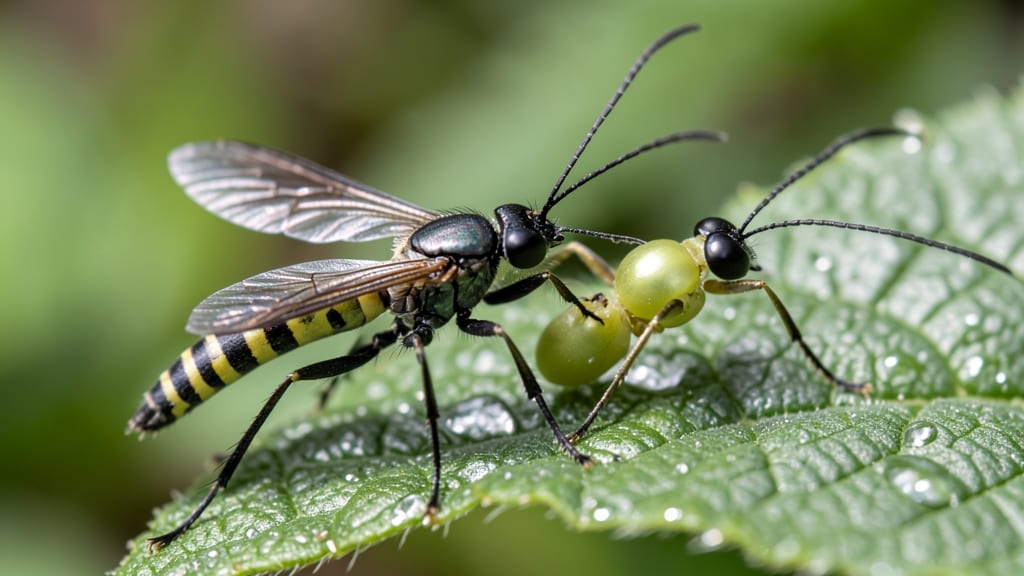
How to attract parasitic wasps is your garden’s secret weapon hiding in plain sight. 🌿 These tiny parasitic wasps don’t sting humans—they hunt caterpillars, aphids, and other pests that wreak havoc on plants. I learned the hard way that skipping them means more pesticides and fewer veggies by summer’s end.
They need three things: nectar-rich flowers (like dill, fennel, and yarrow) for food, undisturbed soil for nesting, and no pesticides—even organic ones can harm them. My first attempt failed because I planted flowers too late in the season. Now I start in early spring when the pests emerge.
Within weeks, you’ll notice fewer holes in leaves and fewer chewed plants. The wasps lay eggs inside caterpillars, which then die before they can destroy your crops. It’s nature’s way of keeping your garden in balance without the chemical battle.
Works best in organic gardens, but even conventional gardeners can attract them by creating safe zones. Just avoid tilling nesting areas and let some "messy" corners of your yard stay undisturbed. The payoff? A garden that thrives with less work and fewer pests.
📚 In This Guide
- What you need
- Instructions
- Tips and common mistakes
- Wrapping up and next steps
What you need
- ● Host plants for pests: Cabbage, tomatoes, or squash (to attract caterpillars, their preferred prey)
- ● At least 3–5 mature plants (more = more wasps!)
- ● Shelter options: Potted plants with hollow stems (e.g., sunflowers, lavender, or dill)
- ● Or a parasitic wasp nest box (available online or DIY with wood and straw)
- ● Water source: A shallow dish with pebbles or twigs (to prevent drowning)
- ● Or a dripping faucet (wasps love hydration!)
- ● Pest presence: Allow some caterpillars or aphids to thrive (they’re wasp buffets!)
- ● Avoid chemical pesticides—they’ll scare wasps away.
- ● Nectar-rich flowers: Plant dill, fennel, or yarrow for extra wasp-friendly snacks.
- ● Reflective surfaces: A small mirror or aluminum foil can mimic water and attract wasps.
- ● Pheromone traps: Commercial traps (like Trichogramma cards) can lure specific wasp species.
- ● Garden journal: Track wasp activity to refine your setup over time!
Step-by-Step instructions for attracting parasitic wasps
Here's how to turn your garden into a wasp-friendly zone without the sting.
🌿 Step 1: Plant Host Plants That Attract Their Prey
Parasitic wasps target garden pests like caterpillars, aphids, and beetle larvae—but they need nectar sources too. Plant dill, fennel, and parsley near problem areas; these herbs draw both pests and their natural predators. I always add a few sunflowers too—their bright blooms act like neon signs for wasps.
Space plants 12-18 inches apart to ensure good airflow and easy navigation for tiny wasp wings. Avoid dense foliage that blocks their flight paths. You'll notice more activity within 2-3 weeks once flowers establish. For best results, plant in full sun—wasps prefer open, sunny spots where they can spot prey easily.
☀️ Step 2: Create Shelter with Pheromone Stations
Set up small wooden blocks or bark shelters near host plants. These mimic natural hiding spots where wasps rest between hunting. Drill ¼-inch holes in the wood—wasps use these for shelter and overwintering. I like to place them 6-12 inches off the ground under partial shade.
Add dried leaves or straw around the shelters to create a microhabitat. Wasps are attracted to areas with both food and safe retreat spots. Check stations weekly to remove debris—clutter discourages them from staying. You'll see wasps inspecting these spots within 1-2 weeks of setup.
💧 Step 3: Offer Water Sources Safely
Wasps need water but can't use standing pools. Fill a shallow dish with pebbles and water—the wasps perch on the rocks to drink without drowning. Place dishes near host plants but out of direct sun to prevent evaporation. I like to add a small twig for extra grip.
Change the water every 2-3 days to prevent mosquito breeding. You'll notice wasps visiting within 3-5 days, especially on warm afternoons. This small step dramatically increases their presence—hydrated wasps hunt more effectively.
⏰ Step 4: Time Your Efforts for Peak Activity
Parasitic wasps are most active in late spring and summer when temperatures hover between 70-85°F. Start planting host flowers in early May to coincide with their emergence. Avoid pesticides entirely—even "organic" sprays can harm wasps.
Monitor your garden daily for 10 minutes around midday. You'll spot wasps hunting by their zigzag flight patterns and tiny size (often no larger than a grain of rice). Once established, they'll handle pests like aphids and caterpillars within 2-4 weeks of arrival.
Tips & tricks for creating a parasitic wasp haven
Transforming your garden into a wasp-friendly ecosystem takes more than just planting flowers—here’s how to maximize their effectiveness.
Plant Selection Matters: In Step 1, focus on plants that bloom at different times throughout the season. For example, dill blooms early and attracts wasps quickly, while cosmos provides late-season nectar. I’ve found that adding lavender near the edges creates a natural border that wasps use as a windbreak while still providing pollen. The key is variety—aim for at least 3-4 different flowering species to ensure continuous food sources.
Shelter Placement Strategy: When setting up nesting sites in Step 2, prioritize locations that receive morning sun but have afternoon shade. Wasps are most active in the morning, so placing shelters near east-facing plants gives them an early energy boost. I’ve noticed that wasps prefer bare wood stakes over twigs—these provide more stable nesting surfaces. If your garden has strong afternoon winds, position shelters behind low shrubs to create natural windbreaks.
Water Source Safety: The shallow water dish in Step 2 should be placed on elevated surfaces like small bricks or plant saucers. This prevents wasps from drowning while still allowing them to access water. I’ve had success using terracotta saucers—they’re porous enough to let excess water drain while keeping pebbles in place. Refresh the water every 2-3 days to prevent mosquito breeding, which can compete with your beneficial wasps.
Seasonal Timing Insight: The 65°F minimum in Step 4 is crucial, but don’t wait until summer to start. Begin planting early spring bloomers like fennel as soon as soil temperatures reach 55°F—this gives wasps a head start. In cooler climates, use black plastic mulch under row covers to warm the soil faster. I’ve seen wasps establish colonies 2 weeks earlier when using this technique, giving you pest control from late spring instead of summer.
Pro Tips for Attract Parasitic Wasps
- Transforming your garden into a wasp-friendly ecosystem takes more than just planting flowers—here’s how to maximize their effectiveness.
- Plant Selection Matters: In Step 1, focus on plants that bloom at different times throughout the season.
- Shelter Placement Strategy: When setting up nesting sites in Step 2, prioritize locations that receive morning sun but have afternoon shade.
Frequently asked questions
Got questions about luring these tiny pest-fighters? You’re not alone! Here are answers to the most common queries about attracting parasitic wasps—so you can get the job done right.
What pests do parasitic wasps actually control?
Parasitic wasps target specific garden pests like caterpillars (tomato hornworms, cabbage loopers), aphids, and beetle larvae. They don’t sting humans or harm plants—they’re precision hunters! Focus on inviting species like Trichogramma or Braconid wasps for caterpillars or Aphidius for aphids.
When’s the best time to attract them?
Timing matters! Plant nectar-rich flowers (like dill, fennel, or yarrow) in early spring to draw wasps early. For caterpillar control, release them before pests appear—think late spring to early summer. Avoid late-season releases; cooler temps slow their activity.
What if I don’t want to use commercial wasp releases?
No problem! Boost habitat naturally with:
- Pest-friendly plants: Marigolds, alyssum, or milkweed attract beneficial insects.
- Water sources: Shallow dishes with pebbles prevent drowning.
- Reduce pesticides: Even "organic" sprays can harm wasps. Opt for soapy water sprays instead.
What do I do if I don’t see wasps after setting up?
Check these troubleshooting steps:
- Location: Are traps/habitats in sunny, sheltered spots? Wasps avoid wind/rain.
- Timing: Did you set up before pests arrived?
- Alternatives: Try hand-releasing purchased wasps (like Trichogramma egg cards) near pest hotspots.
Are parasitic wasps safe around kids or pets?
Yes! These wasps are harmless to humans/pets—they’re too busy hunting pests. Avoid disturbing their nests (tiny, hidden in soil/leaves), and teach kids to admire them from afar. No stings, no drama—just pest control magic!
Wrapping up and next steps
Attracting parasitic wasps to your garden is a game-changing way to keep pests in check naturally!
By planting host plants, providing water sources, and creating a welcoming habitat, you’ll turn your yard into a thriving ecosystem where these tiny allies do the hard work for you. Don’t wait—start small, stay consistent, and watch your garden flourish with less hassle!
Ready to take the next step? Pick one action from this guide today—whether it’s adding a new flower bed or setting up a water dish—and observe the difference over time. Your garden (and your sanity) will thank you! 🌿✨