
Tools
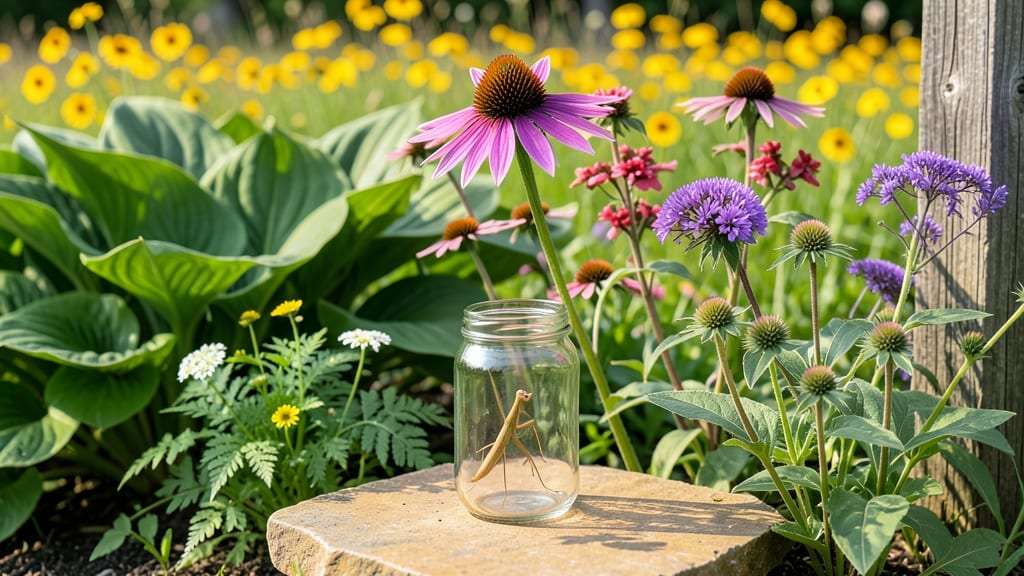
Attracting praying mantises turns your garden into a natural pest-control powerhouse. 🌿 I learned the hard way—my first attempt failed because I missed the key elements these predators need to thrive. They’re not picky eaters, but their habitat choices are everything.
The secret lies in three simple elements: native plants they love (like lavender, dill, and sunflowers), water sources (a shallow dish with pebbles works), and shelter (dense foliage or a small brush pile).
Skip the pesticides—even organic ones—and they’ll move in within weeks. My garden went from aphid-infested to aphid-free in just two seasons.
You’ll see them hunting pests at dawn and dusk, their triangular heads bobbing as they stalk caterpillars and beetles. The best part? They’re selective predators—they ignore bees and butterflies, only targeting the bugs that damage your plants.
No more reaching for sprays; just sit back and watch nature do the work.
Works in any yard size, from urban balconies to rural acres. The only catch? Patience—it can take a month or two for them to find your garden. But once they arrive, you’ll wonder how you ever lived without them.
📚 In This Guide
- What you need
- Instructions
- Tips and common mistakes
- Wrapping up and next steps
What you need
- ● Native flowering plants: 3–5 varieties (e.g., lavender, coneflowers, milkweed, or bee balm). Aim for at least 2–3 mature plants per type to ensure visibility and shelter.
- ● Host plants for caterpillars: 1–2 varieties (e.g., parsley, dill, or hibiscus). These attract mantis prey—1–2 small potted plants or seedlings work well.
- ● Water source: A shallow dish with pebbles (to prevent drowning) or a small birdbath with 1–2 inches of water.
- ● Natural hiding spots: Dense foliage (e.g., hosta, ferns, or ornamental grasses).
- ● Or, 1–2 small wooden logs or bark mulch (2–3 inches thick) for ground cover.
- ● Patience & observation: A notebook or app (like iNaturalist) to track mantis sightings!
- ● Praying mantis eggs (Ootheca): Purchase or collect in late summer/fall (check online suppliers or local entomology groups). 1–2 oothecae per 100 sq. ft. of garden.
- ● Artificial perches: Twigs or small branches (3–6 inches long) tied to plants for mantis resting spots.
- ● Low-light LED bug light: A 5W–10W UV bulb (placed 1–2 feet above plants at dusk) to attract nocturnal insects.
- ● Mulch: Straw or leaf litter (2–3 inches deep) to retain moisture and provide microhabitats.
- ● Pesticide-free zone: Skip synthetic chemicals—mantises are sensitive to toxins!
Step-by-Step instructions for creating a praying mantis haven in your garden
Here’s the plant-focused approach I’ve used to turn my garden into a mantis hotspot—no traps or chemicals needed.
🌿 Step 1: Plant Mantis-Favorite Host Plants
Start with 4-5 native flowering plants that provide both shelter and food for mantises. I recommend bee balm, coneflowers, and milkweed—their tall, dense stems offer hiding spots while attracting the insects mantises hunt. Space them 18-24 inches apart in partial to full sun for optimal growth.
Mantises prefer rough-textured plants with crevices where they can perch undisturbed. Avoid smooth-leaved plants like hostas—they offer no grip for mantises to cling to. Plant these near your vegetable beds so mantises can patrol for pests without wandering off.
☀️ Step 2: Add Tall, Structural Plants for Shelter
Include 3-4 sun-loving perennials like Russian sage or purple loosestrife to create vertical hiding spots. These plants grow 3-5 feet tall and provide the tall stems and leaf clusters mantises use for ambush hunting. Install them in clusters rather than rows to maximize coverage.
Mantises are most active during late afternoon, so position these plants where they’ll receive 6+ hours of sunlight but still offer shade from midday heat. The more vertical space, the more mantises will linger—watch for them clinging to stems after dusk.
💧 Step 3: Create a Water Source Nearby
Place a shallow dish of water (about 3 inches deep) near your mantis-friendly plants. Mantises need hydration, but they can’t swim—so add pebbles or floating leaves to create landing spots. Refresh the water every 2-3 days to prevent mosquito breeding.
Position the dish under partial shade to slow evaporation while keeping the area cool. Mantises are more likely to visit if they see other insects drinking first—place it near your flowering plants where bees and butterflies already gather.
⏰ Step 4: Time Your Plantings for Peak Activity
Plant your mantis magnet garden in early spring (after last frost) so flowers bloom by mid-summer—this aligns with mantis egg-hatching season. If you’re in a warm climate, late winter plantings work too, as mantises are active year-round.
Mantises overwinter as eggs, so if you spot them in fall, leave plant debris (like dried stems) until spring. This gives emerging nymphs immediate shelter. Avoid disturbing the soil where you’ve seen mantises—their eggs are delicate and buried just ½ inch deep.
🌱 Step 5: Monitor and Maintain the Habitat
Check your plants weekly for mantis activity, especially after rain when nymphs emerge. Look for triangular heads and folded front legs—they’ll blend into stems but move when you gently tap the plant. Avoid pesticides entirely; even "organic" sprays can harm mantises.
Prune back dead growth in late winter to keep the habitat open, but leave a few seed heads for mantises to hide in. If you see fewer mantises after a few months, add more flowering plants—their numbers correlate directly with available food sources.
Tips & tricks for creating an irresistible praying mantis habitat
Transforming your garden into a mantis paradise takes more than just planting—it’s about creating an ecosystem they’ll actively seek out. Here’s what I’ve learned after years of watching these fascinating predators thrive in my own space.
Plant Selection is Everything: While the instructions recommend bee balm, coneflowers, and milkweed as your core plants, I’ve found that adding yarrow and lavender (optional but game-changing) provides extra nectar sources that attract even more prey insects. The key is variety—mix annuals and perennials so there’s always something blooming. In Step 1, when spacing your 4-5 plants 18-24 inches apart, consider adding a few extra plants in clusters rather than evenly spaced rows. Mantises prefer dense vegetation where they can ambush prey from multiple angles.
Vertical Space is Non-Negotiable: In Step 2, when you’re selecting your 3-4 structural plants, prioritize those with branching habits like Russian sage or purple loosestrife—they create natural perches mantises use for hunting. I’ve noticed mantises are most active on stems that have small leaves or leaf clusters—they provide perfect camouflage. If your garden has limited vertical space, consider adding trellises with climbing plants (like morning glories) near your main planting area. Just ensure they’re positioned to receive that critical 6+ hours of sunlight while still offering afternoon shade.
Water Source Placement Matters More Than You Think: The shallow 3-inch water dish in Step 3 is brilliant, but here’s the secret: position it just beyond the edge of direct sunlight—this creates a cooler microclimate that mantises prefer. I’ve seen them perch on nearby stems for hours, waiting for insects to come drink. For extra appeal, add a few small pebbles that create tiny platforms for them to rest on while drinking. This simple tweak can triple your mantis sightings within weeks.
Seasonal Timing is Critical: The instructions mention planting in early spring or late winter, but what I’ve learned is that fall is actually the best time to start—if you plant hardy perennials in fall, they’ll establish roots over winter and be ready to bloom when mantis eggs hatch in spring. In Step 4, when you’re leaving plant debris for overwintering eggs, consider marking those areas with small stakes so you remember not to disturb them in spring. I’ve found that mantis populations explode in gardens where they can find established shelter from their first day out of the egg.
Pro Tips for Attract Praying Mantis To Garden
- Transforming your garden into a mantis paradise takes more than just planting—it’s about creating an ecosystem they’ll actively seek out.
- The key is variety—mix annuals and perennials so there’s always something blooming.
- I’ve noticed mantises are most active on stems that have small leaves or leaf clusters—they provide perfect camouflage.
Frequently asked questions
Got questions about luring these fascinating predators into your garden? Here are some of the most common ones—and their answers!
Why aren’t praying mantises showing up even after I’ve planted their favorite flowers?
Patience is key! Mantises are slow to colonize new areas. Start by planting native flowers like bee balm or milkweed (their favorite snacks) and wait 2–4 weeks. If they still don’t appear, check for pesticides—mantises are highly sensitive to chemicals. Try introducing a prey source (like aphids) first to signal safety.
When is the best time of year to attract praying mantises?
Timing matters! Plant mantis-friendly flowers in early spring (March–April) to coincide with their mating season. Egg cases (oothecae) hatch in late spring/early summer, so you’ll see nymphs by June. In warmer climates, you might spot them year-round, but peak activity is during warm, humid nights when they hunt.
What if I don’t want mantises—but still want to control pests naturally?
No problem! If mantises aren’t your style, try these alternatives:
- Ladybugs: Devour aphids and mites (release them in early morning).
- Lacewings: Voracious eaters of soft-bodied pests—plant dill or carrots to attract them.
- Birds: Install a bird feeder or native shrubs (like serviceberry) to draw insect-eating species.
Are praying mantises safe around kids or pets?
Generally yes—mantises are shy and prefer to hide. However, they may rarely bite if provoked (like any insect!). Teach kids to admire them from a distance and avoid handling. For pets, mantises pose zero threat—they’re too small to harm cats/dogs and are too busy hunting to bother them. Just keep them away from fish ponds (they’ll snack on tadpoles!).
How do I tell if my garden is truly “mantis-friendly”?
Here’s your quick
Wrapping up and next steps
Attracting praying mantises to your garden is easier than you think—just follow the plant-powered tricks we’ve shared! 🌿 With the right native plants, water sources, and a little patience, you’ll soon have these natural pest controllers patrolling your space. Start small: pick 1-2 mantis-friendly plants this season and watch your garden transform into a thriving ecosystem.
Ready to take the next step? Monitor your garden regularly—once mantises arrive, they’ll reward you with effortless pest control. Happy gardening! 🌱