
Flowers
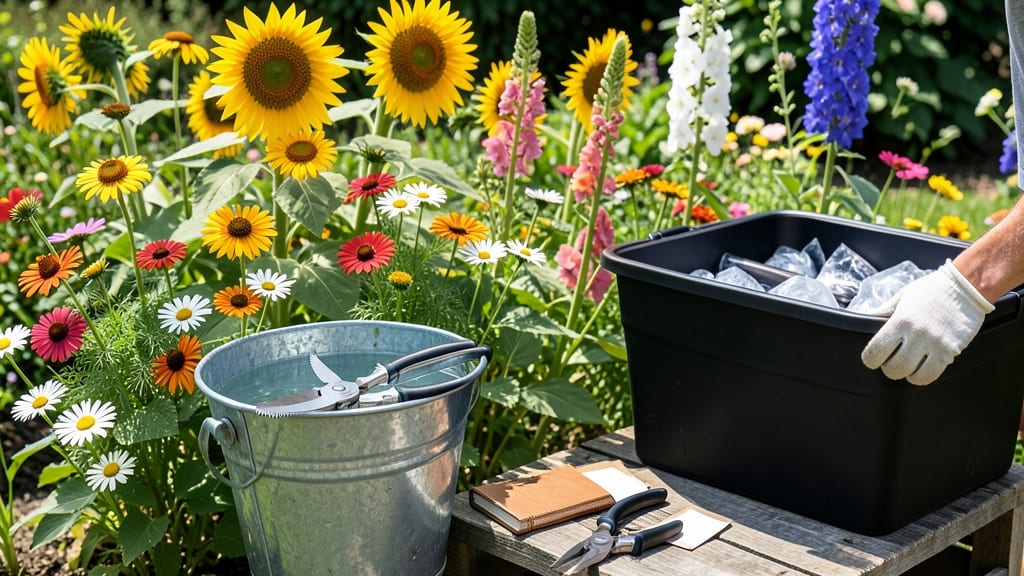
Becoming a flower farmer starts with one bold decision: this year, you'll grow more than just for beauty—you'll grow for profit. 🌸 I launched my own small-scale flower farm after realizing how much money I was spending on bouquets, and now I'm sharing the exact steps that turned my first season into a $12,000 harvest.
The secret isn't in fancy equipment—it's in choosing the right flowers for your climate, timing your plantings to match local demand, and keeping costs low with smart sourcing.
Start with 5-10 varieties that sell well at farmers markets (like zinnias, sunflowers, and snapdragons), and focus on seasonal gaps where florists scramble for inventory. By your first harvest, you'll be arranging stems into market-ready bouquets that sell for 3-5x what you spent on seeds.
The key is working with what you have—whether that's a quarter-acre field or repurposed greenhouse space—and scaling as orders come in. This isn't about overnight success; it's about steady growth. Here's where to begin—no experience required, just curiosity and a willingness to learn from every season.
📚 In This Guide
- What you need
- Instructions
- Tips and common mistakes
- Wrapping up and next steps
What you need
- ● Land or Greenhouse Space: At least 1,000 sq. ft. of arable land (or a greenhouse for controlled environments).
- ● Well-draining soil (pH 6.0–7.0) or raised beds if natural soil is poor.
- ● Seeds or Bulbs: Start with 50–100 plants of high-demand varieties (e.g., zinnias, sunflowers, dahlias, or tulips).
- ● Order from reputable suppliers like blank">Johnny’s Selected Seeds or blank">Baker Creek Heirloom Seeds.
- ● Watering System: Drip irrigation kit ($50–$200) or a reliable hose with a spray nozzle.
- ● Water storage tank (50–100 gallons) for efficiency.
- ● Hand Tools: Garden trowel, pruning shears, and a long-handled weeder.
- ● Gloves (nitrile-coated for durability) and a wide-brimmed hat.
- ● Fertilizers & Soil Amendments: Organic compost (1–2 cubic yards) or slow-release fertilizer (e.g., Espoma Flower-Tone).
- ● Mulch (2–3 bags) to retain moisture and suppress weeds.
- ● Harvesting & Packaging: Sharp floral knives (5–10) for clean cuts.
- ● Clear plastic buckets (5-gallon size) for water storage.
- ● Buckets or boxes for transporting flowers to market.
- ● Soil test kit ($20–$50) to monitor pH and nutrient levels.
- ● Portable fan ($30–$80) for greenhouse ventilation.
- ● Digital thermometer/hygrometer ($25–$50) to track growing conditions.
- ● Social media tools (e.g., Canva for free designs) to market your blooms.
- ● Insurance (liability coverage) for protection as you scale.
Step-by-step instructions for launching your flower farm business
Here's how to turn your passion into a profitable seasonal operation—starting with the right foundation.
🌱 Step 1: Research and Select Your Niche Market
Begin by identifying what flowers will sell best in your region. Check local weddings, farmers' markets, and florist shops to spot trends—popular varieties like peony, ranunculus, and dahlias command premium prices. I always cross-reference with USDA hardiness zones to ensure my selections thrive year-round. Focus on cut flowers, bouquets, or potted plants—whichever aligns with your local demand.
Talk to established flower farmers in your area. Ask about their biggest challenges and pricing strategies. You'll notice that specialty flowers (like heirloom roses or exotic orchids) sell for 2-3x the price of standard varieties. Document these insights in a simple spreadsheet to guide your initial plant selection.
🪴 Step 2: Secure Land and Permits
Lease or purchase land with good sunlight exposure and access to water. A half-acre plot is ideal for starting small—enough for 5,000-10,000 stems per season while keeping overhead manageable. Check local zoning laws, as some areas restrict commercial farming on residential properties.
Permits vary by state, but expect to apply for a business license, agricultural permit, and possibly a water rights approval. I recommend contacting your county extension office—they offer free workshops on farm regulations. Don’t skip this step; operating without permits can result in costly fines or forced shutdowns.
☀️ Step 3: Plan Your Seasonal Planting Schedule
Create a planting calendar based on your climate and target blooming periods. For example, spring bulbs (tulips, daffodils) should be planted in fall (October-November), while summer annuals (sunflowers, zinnias) go in early spring (March-April). Use a crop rotation system to prevent soil depletion and disease buildup.
Order seeds and plants from reputable suppliers like Johnny’s Selected Seeds or Baker Creek Heirloom Seeds. Start with 10-15 varieties to keep costs low while testing market interest. I always order 10% more than needed—seedlings and cuttings sometimes fail to thrive, and you’ll need extras for bouquet arrangements.
💧 Step 4: Set Up Irrigation and Infrastructure
Invest in a reliable irrigation system—drip irrigation is the most efficient for flowers, delivering water directly to roots while minimizing waste. Install a 50-gallon rainwater collection barrel to supplement municipal water during dry spells. Test your system before planting to ensure even coverage.
Build raised beds or low tunnels for early spring and fall crops to extend your growing season. A simple hoop house with row covers can add 2-4 weeks to your harvest window. Label each section with plant names and dates—this prevents mix-ups when flowers are in different growth stages.
✂️ Step 5: Develop Sales Channels and Pricing
Start small with local sales: approach 2-3 florists, farmers' markets, and wedding planners to secure initial orders. Offer wholesale pricing (50% of retail) to build relationships. I always provide free samples to potential buyers—they’ll remember your quality and consistency.
Price your flowers based on production costs, labor, and market rates. For example, a single-stem peony might cost $3 to grow but sell for $15-20 wholesale. Track your expenses meticulously—software like Farmbrite or QuickBooks simplifies inventory and sales management.
⏰ Step 6: Market and Scale Strategically
Use social media to showcase your blooms—Instagram and Facebook Marketplace are goldmines for flower farmers. Post behind-the-scenes content (harvesting, arranging bouquets) to build trust. Partner with local photographers for stunning product shots; they often need fresh flowers for test shoots.
Reinvest early profits into expanding your variety or adding value-added products like dried flowers or floral wreaths. Attend industry events (like the Floralies or local flower festivals
Tips & tricks for building a profitable flower farm
Here's what nobody tells you about turning your flower passion into a thriving business—lessons I learned after planting my first 500 tulip bulbs.
Market Research Matters: Don't just guess which flowers will sell—actually visit local farmers' markets and wedding venues to observe demand patterns. I noticed that ranunculus and dahlias sold out within hours at my county's biggest market, while traditional roses had long-standing inventory. Track which flowers get multiple inquiries from customers and which ones get passed over. This hands-on approach saved me from investing in varieties that wouldn't move.
Equipment Prioritization: Start with the essentials: a reliable rototiller, drip irrigation system, and hand pruners are your top investments. I skipped the fancy greenhouse initially and focused on these basics, which gave me a solid foundation for just $2,500. The drip irrigation alone saved me hundreds in water costs while preventing disease spread from overhead watering. Remember that used equipment from fellow farmers often works just as well as new.
Soil Science Pays Off: That $50 soil test I took revealed my land had a pH of 5.8—too acidic for most flowers. Amending with lime brought it to the optimal 6.5-7.0 range, which dramatically improved my tulip yields. Test your soil before planting anything, and consider composting on-site to create your own nutrient-rich amendments. I now apply 2 inches of compost annually, which has cut my fertilizer costs by nearly 40%.
Harvest Timing is Everything: Flowers harvested in the early morning stay fresh longest, but timing matters even more than you'd think. Dahlias should be cut when buds are just starting to open—fully bloomed flowers wilt within 24 hours. I now mark my calendar with the exact times for each variety's peak harvest window. For example, zinnias should be cut between 7-9 AM when dew is still present but before the sun intensifies. This simple habit has extended my bouquets' vase life from 5 days to 10.
Pro Tips for Become A Flower Farmer
- Here's what nobody tells you about turning your flower passion into a thriving business—lessons I learned after planting my first 500 tulip bulbs.
- Market Research Matters: Don't just guess which flowers will sell—actually visit local farmers' markets and wedding venues to observe demand patterns.
- Equipment Prioritization: Start with the essentials: a reliable rototiller, drip irrigation system, and hand pruners are your top investments.
Frequently asked questions
Got questions about starting your flower farming journey?
Here are answers to the most common ones—so you can dive in with confidence!
How much land do I really need to start flower farming?
You don’t need acres to begin! Start small with 500–2,000 sq. ft. for cut flowers or 100–500 sq. ft. for potted plants. Urban gardeners often thrive in containers or raised beds. Focus on high-value, easy-to-grow blooms like zinnias or snapdragons to maximize profits on limited space.
What’s the best time of year to plant flowers for a first-year profit?
Timing depends on your climate! In most regions, late winter/early spring (for cool-season flowers like tulips) and late spring/early summer (for heat-lovers like sunflowers) are ideal. Research your frost dates and plant 6–8 weeks before the last frost for optimal growth. Succession planting (staggered sowings) ensures year-round harvests!
Can I make money flower farming with just a side hustle?
Many farmers start by selling at local farmers' markets, weddings, or via Etsy. Focus on niche markets like dried flowers, microgreens, or unique bulbs (e.g., ranunculus) for higher margins. Even $500–$1,000/month is achievable with smart marketing and low overhead.
What’s the biggest mistake beginner flower farmers make?
Underestimating pests, weeds, and soil health! Prevention is key:
- Use row covers for pests like aphids.
- Rotate crops to avoid soil depletion.
- Test soil pH (6.0–7.0 is ideal for most flowers).
Are there low-maintenance flowers that still sell well?
Yes! Try these hardy, high-demand options:
Flower
Why It Works
Zinnias
Disease-resistant, long vase life, $5–$15/bouquet profit.
Sunflowers
Fast-growing, great for cut-and-come-again harvests.
Calendula
Edible petals, pest-repellent, sells well at markets.
Wrapping up and next steps
Becoming a flower farmer is a rewarding journey filled with creativity, hard work, and the joy of nurturing life—while turning a seasonal profit! 🌸 You’ve got the tools, the knowledge, and the passion to start small, scale smart, and build a thriving business.
Remember, every expert florist began with their first seedling or bouquet.
Your next step? Take action! Start with a single crop or a small plot, document your progress, and let your love for flowers guide you. Whether you’re selling at local markets, online, or to nearby florists, the key is to begin. The blooms—and profits—will follow! 🌱