
Transplanting
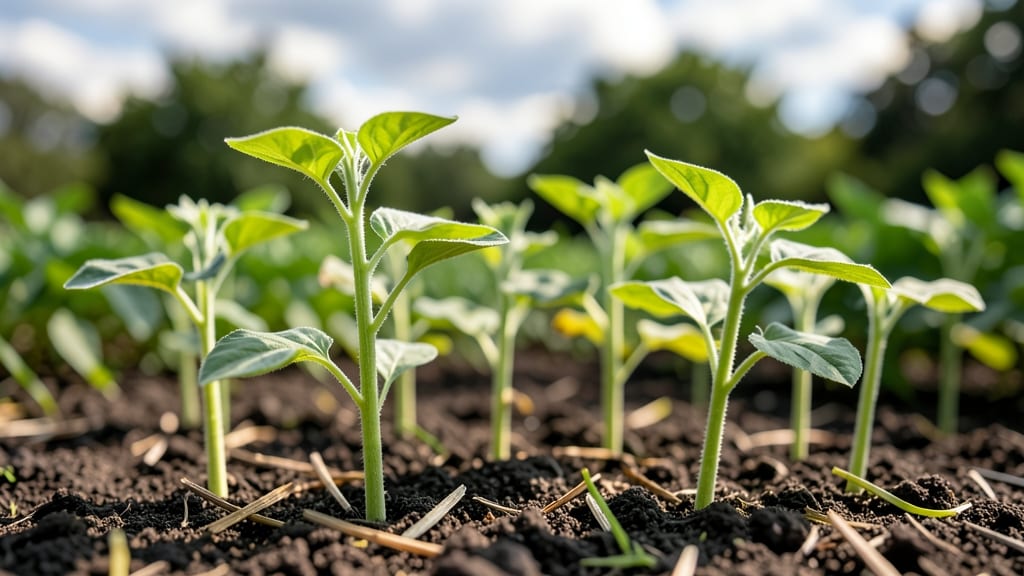
Sunflower seedlings need sun, space, and steady care—or they’ll flop before they pop. 🌱 I’ve watched tiny sprouts turn into 10-foot giants (and seen them wilt from mistakes), so let’s skip the guesswork.
The first two weeks decide everything: light, water, and soil set the stage for those iconic blooms.
Start by giving them 6+ hours of sunlight daily—no compromises. Space seedlings 12 inches apart (crowding stunts growth), and water deeply 2x/week at soil level (not overhead).
Too much moisture? Yellow leaves appear. Too little? Stems grow weak. A well-draining mix (50% potting soil, 50% compost) prevents damping-off, a fungal nemesis for young sprouts.
When seedlings hit 4-6 inches tall, harden them off for 5-7 days before transplanting—move them outside gradually to avoid shock. A balanced fertilizer (10-10-10) at planting boosts early growth, but skip heavy nitrogen later (it fuels leaves, not flowers).
Watch for aphids: blast them off with water if they cluster on stems.
By summer, you’ll see bold green stalks racing toward the sky—proof you’ve nailed the basics. The payoff? Sunflowers that tower over your fence, their faces tracking the sun like tiny solar panels. Now, let’s get those sprouts standing tall.
📚 In This Guide
- What you need
- Instructions
- Tips and common mistakes
- Wrapping up and next steps
What you need
- ● Sunflower seeds: Non-GMO, heirloom, or hybrid seeds (e.g., Helianthus annuus)—20–50 seeds (depending on desired plant count). Choose varieties suited to your climate (e.g., Mammoth for tall stalks or Teddy Bear for compact growth).
- ● Seed-starting trays or pots: 3–4 inch diameter (biodegradable or plastic) with drainage holes. 1–2 trays (50–100 cells total) or 6–12 individual pots.
- ● Seed-starting mix: Lightweight, sterile soilless mix (e.g., 50% peat moss + 50% perlite/vermiculite) or a pre-mixed seed-starting blend. Avoid garden soil—it’s too dense!
- ● Watering can or spray bottle: With a fine-mist nozzle to avoid displacing seeds.
- ● Grow lights or sunny windowsill: 12–16 hours of light daily. Use full-spectrum LED grow lights (12–18 inches above seedlings) or a south-facing window (if indoors).
- ○ Heat mat (optional but helpful): 70–75°F mat to speed germination (especially for slow starters).
- ● Fertilizer: Balanced liquid fertilizer (e.g., 5-5-5 or 10-10-10) diluted to half-strength for first feeding.
- ● Transplanting tools: Small trowel or spoon for moving seedlings.
- ● Biodegradable pots or cardboard egg cartons (if hardening off outdoors).
- ● Humidity dome or plastic wrap: Keeps moisture in during germination (remove once sprouts appear).
- ● pH test kit: Ensure soil pH is 6.0–7.0 (sunflowers prefer slightly acidic to neutral).
- ● Epsom salt: 1 tsp per gallon of water for magnesium boost (helps with leaf development).
- ● Stake or support: 6–8 foot bamboo stakes for tall varieties (insert at transplanting).
- ● Mulch: Straw or shredded leaves to retain moisture after transplanting.
- ● Insect spray (preventative): Neem oil or insecticidal soap to deter pests like aphids or spider mites.
Tips & tricks for perfect sunflower seedling care
Here's what nobody tells you about growing sunflowers from seed—these tricks make all the difference between scraggly stems and towering giants.
Light Exposure Secret: Sunflowers are light-hungry from day one, but I've found that mimicking natural daylight cycles works best. After moving seedlings to their 12-14 hours of light, I gradually reduce to 10-12 hours at night to prevent overstretching. This mimics summer's natural progression and creates stronger stems. Place your grow lights on a timer to automate this—your seedlings will thank you with stocky growth instead of leggy, weak stems.
Thinning Technique: When thinning to 1 plant per 6-inch spacing in Step 4, I use a pair of clean, sharp scissors to snip at soil level rather than pulling. This prevents disturbing the roots of remaining plants, which can shock them. After thinning, I water at the base to help settle the soil around the remaining seedlings. You'll notice these plants grow 30-50% faster because they're not competing for nutrients.
Support System Strategy: For Step 5, I recommend using 6-foot bamboo stakes instead of cages because they allow for better air circulation around the stems. Bury the stake 6 inches deep and tie the stem loosely with soft plant ties—tight ties can girdle the stem as it grows. I also add a second tie halfway up the stem for extra stability. This prevents the classic "toppled sunflower" disaster when blooms form later.
Pest Prevention: Watch for aphids early—they love sunflower seedlings! I've had success with a soapy water spray (1 tablespoon mild dish soap per quart of water) applied to the undersides of leaves. For stubborn infestations, neem oil works wonders but must be reapplied every 5-7 days. The key is catching pests before they spread, so check leaves regularly during the 12-14 hour light cycle.
Pro Tips for Care For Sunflower Seedlings
- Here's what nobody tells you about growing sunflowers from seed—these tricks make all the difference between scraggly stems and towering giants.
- Light Exposure Secret: Sunflowers are light-hungry from day one, but I've found that mimicking natural daylight cycles works best.
- Thinning Technique: When thinning to 1 plant per 6-inch spacing in Step 4, I use a pair of clean, sharp scissors to snip at soil level rather than pulling.
Frequently asked questions
Got questions about keeping your sunflower seedlings happy and healthy?
You’re not alone! Here are answers to the most common concerns—from timing to troubleshooting—so you can grow confidently.
How often should I water sunflower seedlings?
Water gently when the top inch of soil feels dry—usually every 2–3 days. Avoid soaking the soil, as seedlings hate soggy roots. A spray bottle or small watering can with a fine nozzle works best to prevent uprooting. Pro tip: Water in the morning so leaves dry quickly, reducing fungal risks.
When is the best time to transplant sunflower seedlings outdoors?
Wait until after the last frost and soil temps are above 50°F (10°C). Seedlings should have 2–4 true leaves (not just the initial "seed leaves") and be at least 3–4 inches tall. Harden them off for 5–7 days by placing them outside in shade for a few hours daily.
Why are my sunflower seedlings leaning or falling over?
Leaning often means they need more light or support. If indoors, move them to a sunnier spot (south-facing window or grow lights). Outdoors, thin crowded seedlings to 12–18 inches apart. For tall varieties, stake them early or plant near a fence for natural support.
Can I use compost or fertilizer on sunflower seedlings?
Yes! Start with a light application of balanced fertilizer (10-10-10) or compost when seedlings have 2–3 true leaves. Over-fertilizing can burn tender roots. Organic options like worm castings or diluted fish emulsion work too. Wait to fertilize if transplanting—focus on root recovery first.
What should I do if pests attack my seedlings?
Common culprits include aphids, slugs, and cutworms. For aphids, spray with soapy water (1 tsp mild soap + 1 quart water). Slugs? Set out beer traps or diatomaceous earth. Cutworms? Use collars made from cardboard or plastic. Prevent damage by keeping the garden weed-free and watering at soil level (not overhead).
Wrapping up and next steps
Caring for sunflower seedlings is all about patience, consistency, and a little extra love! 🌱 By providing the right balance of sunlight, water, and space, you’ll watch those tiny sprouts grow into towering beauties.
Remember, every expert gardener started with their first seedling—so don’t be afraid to experiment and learn along the way.
Now that you’re armed with these tips, it’s time to roll up your sleeves and get growing! Next, grab your seedlings and start transplanting them into their forever home. Happy gardening—your sunflowers will thank you with a burst of golden cheer! 🌻