
Pests
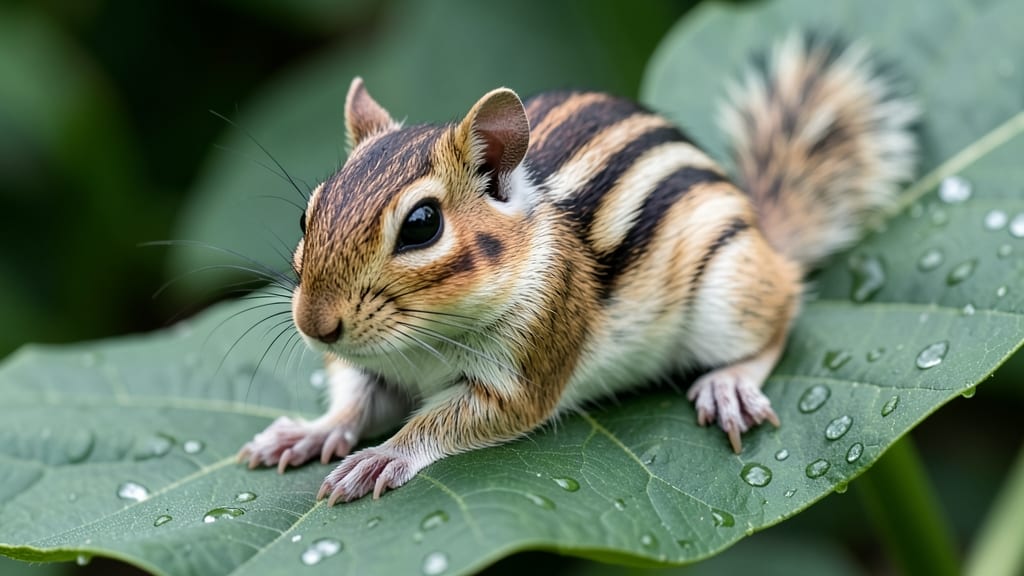
How to control chipmunks turned my spring garden into a tunneling playground. 🌱 I tried everything—scaring them off, yelling, even playing the radio—until I discovered the humane methods that actually work without harming these busy little striped critters.
The secret isn’t brute force—it’s outsmarting them. Start with physical barriers like hardware cloth (not chicken wire) buried 12 inches deep around planting beds, since chipmunks dig. For raised beds, wrap the wire around the edges before filling with soil.
Castor oil repellent (mixed with water and dish soap) works surprisingly well when sprayed directly on tunnels or entry points.
You’ll see results within a week if you eliminate their food sources first. Clear away fallen fruit, secure compost bins, and store birdseed in metal containers. The moment they realize your garden isn’t an all-you-can-eat buffet, they’ll move on to easier pickings.
This approach works year-round, whether they’re digging for bulbs in spring or raiding your fall harvest. No traps, no cruelty—just smart gardening that keeps your plants safe while giving chipmunks a chance to thrive elsewhere.
Root Causes Of Chipmunk Chaos
Chipmunks may look adorable, but when they invade your yard or home, they can quickly become a nuisance. Understanding why these tiny rodents seek out human spaces is the first step to effective control.
Their behavior isn’t random—it’s driven by survival instincts, environmental changes, and even human activity. Let’s break down the key reasons behind their unwelcome visits.
Chipmunks are omnivorous scavengers, and their primary motivation for raiding gardens, bird feeders, or trash cans is simple: they’re hungry. In the wild, they rely on a diet of seeds, nuts, fruits, insects, and even small vertebrates.
However, when natural food sources become limited—due to seasonal changes, overharvesting by predators, or habitat loss—they turn to easier, human-provided meals.
- Seasonal Food Shortages: During late summer and early fall, chipmunks stockpile food for winter. If your garden, compost pile, or birdseed stash is easily accessible, they’ll hoard it before you can stop them.
- Landscaping Choices: Overgrown bushes, unsecured trash bins, or pet food left outdoors create all-you-can-eat buffets. Chipmunks lack natural fear of humans, so they’ll boldly take advantage.
- Competition with Other Wildlife: Squirrels, raccoons, and even deer can outcompete chipmunks for food. When resources dwindle, chipmunks become more aggressive in their search for sustenance.
Actionable Insight: If you’ve noticed chipmunks digging near your foundation or raiding your compost, they’re likely desperate for calories. Securing food sources and removing attractants (like fallen fruit or pet food) can drastically reduce their interest in your property.
Chipmunks are notoriously adaptable, thriving in both rural and urban environments. While they prefer wooded areas with burrows, cities offer unexpected shelter opportunities that wild chipmunks wouldn’t find in nature. Here’s why your yard might have become their new home:
- Lack of Natural Predators: In urban settings, chipmunks face fewer threats from foxes, owls, and snakes. Without these natural checks, their populations explode, leading to more frequent encounters with humans.
- Human-Made Hiding Spots: Chipmunks will nest in:
- Gaps in foundations or siding (they squeeze through openings as small as ½ inch!)
- Underground utility tunnels or sewer pipes (moist, dark, and warm)
- Stacked firewood, decks, or sheds (easy access to cover)
- Insulation or wall voids in homes (especially if attics are unsealed)
- Weather Extremes: Chipmunks seek shelter from extreme heat (they overheat easily) or freezing temperatures. If your home provides unintended insulation, they’ll move in—even in summer.
Actionable Insight: Conduct a chipmunk audit of your property. Look for:
- Gaps in exterior walls or roof vents.
- Piles of debris, leaves, or mulch near structures.
- Signs of digging (small, neat holes with no tail marks—chipmunks don’t drag tails like mice).
Chipmunks breed twice a year (spring and summer), and a single female can produce 8–12 young per litter. With a lifespan of 2–3 years in the wild, their populations grow rapidly—especially if food and shelter are abundant. Here’s how their breeding habits contribute to your chipmunk problem:
- Juvenile Exploration: Young chipmunks (called kits) are curious and bold. They wander farther from their natal burrows in search of food, often stumbling into human spaces. Their lack of experience makes them less cautious around people.
- Territorial Disputes: As populations rise, chipmunks become more aggressive in defending food sources and burrows. This can lead to noisy chattering, digging near foundations, or even chewing wires in attics.
- Delayed Maturity: Unlike mice, chipmunks don’t breed immediately. However, if food is plentiful, they’ll reproduce earlier and more often, accelerating the problem.
Actionable Insight: If you’re dealing with a sudden influx of chipmunks, it’s likely due to a local population explosion. Trapping and relocating adults (not juveniles!) can help, but preventing new residents is key. Remove attractants and block entry points before breeding season (spring) to minimize future conflicts.
Chipmunks are highly sensitive to temperature and weather patterns. Changes in climate—whether due to global warming or local microclimates—can force them into human-altered environments. Here’s how seasonal shifts play a role:
| Season | Chipmunk Behavior | Why It Brings Them Near Humans |
|---|---|---|
| Spring | Emerging from hibernation, foraging for food, and mating. | They seek protein-rich foods (like birdseed or pet food) to recover from winter. Wet burrows from snowmelt may also drive them to drier, human-made shelters. |
| Summer | Stockpiling food for winter, staying active during cooler mornings/evenings. | Extreme heat forces them to seek shade under decks, patios, or in attics. They also raid gardens to gather seeds and nuts before winter. |
| Fall | Hyperactive foraging and burrow expansion for winter. | They overconsume to prepare for hibernation, leading to aggressive scavenging in trash cans, compost, and bird feeders. |
| Winter | Mostly inactive but may emerge during thaws. | If food stores are depleted, they’ll chew insulation or wiring for warmth or sustenance. |
Actionable Insight:
Proven Ways to Manage Chipmunk Problems
Now that you understand why chipmunks invade your space, it’s time to take action! The key is using a mix of humane traps, natural deterrents, and preventive measures to keep these busy little critters out of your yard, garden, and home.
Below, we’ve broken down solutions by the most common chipmunk issues—and how to fix them for good.
If chipmunks have already made themselves comfortable indoors, the first step is blocking their access. Chipmunks can squeeze through gaps as small as 1.5 inches, so inspect your home for weak spots.
How to Fix It:
- 🔍 Inspect the exterior – Check foundations, vents, roof edges, and gaps around pipes or cables.
- 🧰 Use steel wool or hardware cloth – Stuff gaps with fine steel wool (they can’t chew through it) or install ¼-inch hardware mesh over openings.
- 🚪 Secure doors and windows – Install door sweeps and window screens to prevent sneaky entries.
- 🌿 Trim vegetation – Keep bushes and trees trimmed away from your home to remove easy access points.
💡 Pro Tip: If you spot fresh dig marks near your foundation, chipmunks may be tunneling underground—address this immediately to prevent burrowing under decks or sheds.
Chipmunks are plant munchers, and if they’ve taken up residence in your garden, they’ll dig up bulbs, eat seedlings, and leave behind messy burrows. The good news? You don’t need harsh chemicals—just smart, eco-friendly tricks.
How to Fix It:
- 🌶️ Spice Up Their Territory – Sprinkle cayenne pepper, garlic powder, or red pepper flakes around plants. The strong scent and taste will deter them.
- 🍋 Citrus & Vinegar Spray – Mix water, lemon juice, and vinegar in a spray bottle and apply to garden beds. Reapply after rain.
- 🌿 Plant Deterrent Crops – Chipmunks dislike dahlias, marigolds, and alliums (like garlic and onions). Interplant these among vulnerable flowers or veggies.
- 🚫 Remove Food Sources – Keep birdseed, pet food, and fallen fruit picked up—these attract chipmunks like a buffet.
🔥 Hot Tip: If you have bulbs (like tulips or daffodils), consider planting them in wire mesh cages buried in the soil to protect them from digging.
If chipmunks are active in your yard or shed, humane trapping is often the fastest way to remove them. Never use poison or glue traps—they’re cruel and illegal in many areas.
How to Fix It:
- 🏷️ Choose the Right Trap – Live traps (like the Havahart Chipmunk Trap) work best. Bait them with peanut butter, sunflower seeds, or fruit.
- 📍 Place Traps Strategically – Set traps near burrow entrances, along fences, or under decks where you’ve seen activity.
- 🕒 Check Traps Frequently – Release trapped chipmunks at least 5 miles away in a wooded, natural area (away from homes or gardens).
- 🚫 Avoid Repeated Trapping – If you keep catching the same chipmunks, they may be re-invading from a nearby nest. Focus on long-term exclusion (like sealing burrows).
⚠️ Warning: Do not relocate chipmunks to urban parks or residential areas—this can create new problems for neighbors!
Chipmunks love to dig extensive tunnel systems, which can damage lawns, gardens, and even undermine patios or sheds. The best defense? Make your yard less appealing and block their digging paths.
How to Fix It:
- 🪓 Fill Burrows with Rock or Gravel – Once you’ve trapped the chipmunks, pour coarse gravel or small rocks into their holes to discourage reuse.
- 🌿 Install Physical Barriers – Bury hardware cloth (¼-inch mesh) 12 inches deep around garden beds to block digging.
- 💦 Reduce Water Sources – Chipmunks seek out leaky hoses, pet bowls, or birdbaths. Fix leaks and remove standing water.
- 🌳 Add Predator Deterrents – While chipmunks are clever, the scent of a predator (like fox or coyote urine, available at garden stores) can make them think twice.
🎯 Ultimate Tip: If chipmunks keep returning, they may have a hidden nest nearby. Look for fresh dirt mounds and chewed plants—this is where they’re calling home.
The best way to keep chipmunks away for good is to remove what attracts them and make your space unwelcoming.
How to Fix It:
- 🗑️ Secure Trash & Compost – Use metal bins with tight lids and keep compost piles far from your home.
- 🐦 Adjust Bird Feeding Habits – If you feed birds, use feeders with small ports (chipmunks can’t access them) or hang feeders high off the ground.
- 🌿 Keep Grass Short & Landscaping Tidy – Chipmunks love long grass and leaf litter—keep your yard well-maintained to reduce hiding spots.
- 🌞 Use Motion-Activated Sprinklers – Devices like the ScareCrow spray water when they sense movement, startling chipmunks away.
✨ Bonus Strategy: Ammonia-soaked rags placed near entry points can temporarily repel chipmunks with their strong smell (replenish every few days).
By combining exclusion, repellents, and humane trapping, you can effectively manage chipmunk problems without harming them. Stay consistent, and soon your yard will be chipmunk-free—and your garden, home, and peace of mind will thank you!
Frequently asked questions
Are chipmunks dangerous to have around my home?
Chipmunks themselves aren't dangerous, but they can cause significant damage. They'll chew through wiring, insulation, and even wooden structures when nesting indoors. Outdoors, they'll dig up gardens, destroy bulbs, and create unsightly tunnels. The real risk comes from their destructive habits and potential to spread diseases through their droppings.
How can I tell if chipmunks are nesting in my walls?
Look for these telltale signs: small, neat holes (about 2-3 inches wide) near your foundation, scratch marks on siding, or piles of chewed plant material. You might also hear scratching or chattering sounds inside walls, especially at dawn or dusk. Check for fresh dirt mounds near structures - these are classic nesting indicators.
Will peppermint oil really keep chipmunks away?
Yes, peppermint oil is one of the most effective natural repellents! Soak cotton balls in peppermint oil and place them near entry points or garden beds. The strong scent masks their food trails and overwhelms their sensitive noses. Reapply every 3-5 days or after rain. For best results, combine it with other deterrents like cayenne pepper or citrus sprays.
Can I use humane traps to catch chipmunks and release them far away?
Use live traps baited with peanut butter or sunflower seeds. Check traps every 2-3 hours to avoid stressing the animals. Release them in wooded areas at least 5 miles away from your home - this prevents them from finding their way back. Never release them in urban parks or residential areas, as this creates new problems for neighbors.
What's the best time of year to implement chipmunk control?
Spring and early summer are ideal times to take action. This is when chipmunks are most active before breeding season peaks. Focus on sealing entry points before they expand their territories. For garden protection, implement deterrents in late winter before planting season begins. Fall is also effective as they prepare for winter hibernation and become more desperate for food sources.