
Pruning
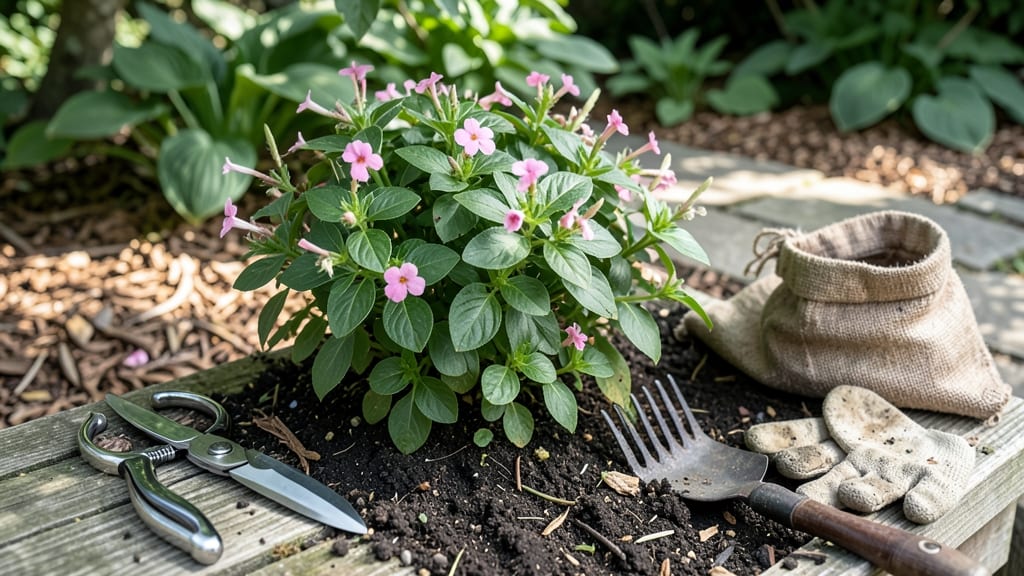
Your impatiens need a fresh start before winter arrives. ✂️ Cutting them back now prevents frost damage and sets the stage for next year’s vibrant blooms—whether you’re dealing with annuals or pushing your luck with perennials in mild zones.
The key is timing and technique: wait until first frost (or after flowering if you’re in a warm zone), then trim back woody stems to 6 inches tall.
Use clean, sharp pruners to avoid tearing, and focus on removing dead or diseased growth first—this keeps your plants healthy and ready to rebound.
What you’ll end up with is a tidy plant that survives winter better, whether you’re overwintering them indoors or letting the soil protect their roots. In spring, you’ll see fresh growth within 2-3 weeks, and those familiar blooms return even stronger.
Pro tip: If your impatiens are annuals (most are), you can skip overwintering entirely and simply compost the cuttings. For perennials in zones 8-10, a little extra care now means bigger blooms next season—no extra work required.
📚 In This Guide
- What you need
- Instructions
- Tips and common mistakes
- Wrapping up and next steps
What you need
- ● Pruning shears or sharp bypass pruners: A pair with clean, sharp blades (avoid dull tools—they crush stems and invite disease). Invest in a high-quality pair (e.g., Felco or Fiskars) for precision cuts.
- ● Gloves: A pair of gardening gloves (nitrile-coated for grip or leather for durability) to protect your hands from thorns and sap.
- ● Disinfectant (70% rubbing alcohol or bleach solution): Mix 1 part bleach to 9 parts water to sterilize tools between cuts and prevent fungal spread.
- ● Garden twine or plant ties: A small roll (50–100 ft) to secure cut-back stems if your impatiens are top-heavy or leggy.
- ● Compost bin or bag: A large container to collect pruned foliage (avoid composting diseased plants—see tips below).
- ● Hand pruners: For smaller stems or tight spaces where shears won’t fit.
- ● Knee pads: If you’re kneeling frequently—your back will thank you!
- ● Plant markers: Label cut-back plants if you’re overwintering them indoors or testing new varieties.
- ● Mulch (straw or shredded leaves): A 2–3 inch layer to protect roots after pruning (especially for tender impatiens like Impatiens walleriana).
Tips & tricks for perfect winter impatiens pruning
Here's what I've learned after years of winter gardening—these details make all the difference for your impatiens' survival.
Timing Secret: The crispy brown foliage test is your best indicator for Step 1. Run your fingers through the leaves—if they crumble like dried paper, it's time. I've learned this the hard way after watching plants regrow too early and get killed by late frosts. Those 40°F daytime temperatures are your real cue, not just calendar dates.
Pruning Precision: When cutting back to within ½ inch of the soil line in Step 2, use a ruler to verify your cuts. Stubby stems may look clean, but they'll hide pests. For container plants, I mark the soil line with a pencil first—this prevents accidental over-cutting that can damage next year's growth.
Mulch Matters: That 2-3 inch layer of mulch in Step 3 isn't just decoration—it's insulation. I've seen roots freeze in unmulched beds when nighttime temperatures drop below 20°F. For extra protection, I double the mulch layer in colder climates, especially for newly planted impatiens.
Spring Readiness: The 50°F threshold in Step 4 is your green light for spring prep. I test this by leaving a thermometer near the plants overnight. Removing mulch too early can shock roots that haven't fully awakened—wait until you see consistent daytime warmth above this temperature.
Pro Tips for Cut Back Impatiens For Winter
- Here's what I've learned after years of winter gardening—these details make all the difference for your impatiens' survival.
- Timing Secret: The crispy brown foliage test is your best indicator for Step 1.
- Pruning Precision: When cutting back to within ½ inch of the soil line in Step 2, use a ruler to verify your cuts.
Frequently asked questions
Got questions about prepping your impatiens for winter? You’re not alone! Here are answers to the most common concerns—so you can tackle pruning with confidence and keep those blooms thriving next season.
When is the best time to cut back impatiens for winter?
The ideal time is after the first hard frost (when foliage turns brown or black) but before temperatures drop below 20°F (-7°C). This ensures you remove dead growth while protecting dormant roots. In warmer climates (Zones 9-11), wait until late fall or early winter when growth naturally slows.
Do I cut impatiens all the way to the ground?
Not necessarily! Trim back only the dead or browned stems—leave about 2–3 inches of green growth or healthy stems. This helps the plant recover faster in spring and reduces stress. If your impatiens are annuals (like New Guinea types), you can cut them all the way down since they won’t regrow.
What if my impatiens don’t die back naturally before winter?
If your plants stay green but are struggling, lightly prune to remove up to ⅓ of the foliage to reduce stress. Add a 2–3 inch layer of mulch (straw or shredded leaves) to insulate roots. Avoid heavy pruning—this can shock tender impatiens. In extreme cold (<10°F/-12°C), consider covering them with burlap or frost cloth for extra protection.
Can I save impatiens as perennials in cold climates?
Most impatiens (like Impatiens walleriana) are tender perennials and won’t survive freezing temps. However, New Guinea impatiens (a hybrid) can sometimes regrow if protected. To extend their life, dig up tubers in fall, store them in dry peat moss at 40–50°F (4–10°C), and replant in spring. Otherwise, treat them as annuals for easier winter care!
What if my impatiens get frost damage before I prune?
Don’t panic! Frosted impatiens can still recover. Wait until new growth appears in spring to prune—cut back only the blackened or mushy stems. If the center of the plant looks healthy, it’ll likely bounce back. For severe damage, remove the entire plant and start fresh in spring with cuttings or new seedlings.
Are there any impatiens that don’t need winter pruning?
Yes! Balsam impatiens (Impatiens balsamina) are annuals and can be left until spring—just pull them up when they’re done blooming. Some wild impatiens (like Impatiens capensis) self-seed and may return without intervention. For container-grown impatiens, empty and compost the pots to prevent disease carryover.
Wrapping up and next steps
Cutting back your impatiens before winter is a simple but powerful way to protect your plants and set the stage for next year’s vibrant blooms. 🌿 By following these steps—choosing the right time, using clean tools, and knowing when to mulch—you’ll help your impatiens survive the cold with confidence. Now’s the perfect time to take action!
🌟 Your Next Step: Plan for Spring
Once your impatiens are prepped for winter, jot down notes on what worked (or didn’t) this year. In early spring, you can fertilize, repot, or even propagate from your cuttings for fresh starts. Happy gardening—your future blooms will thank you! 🌸