
Container Gardens
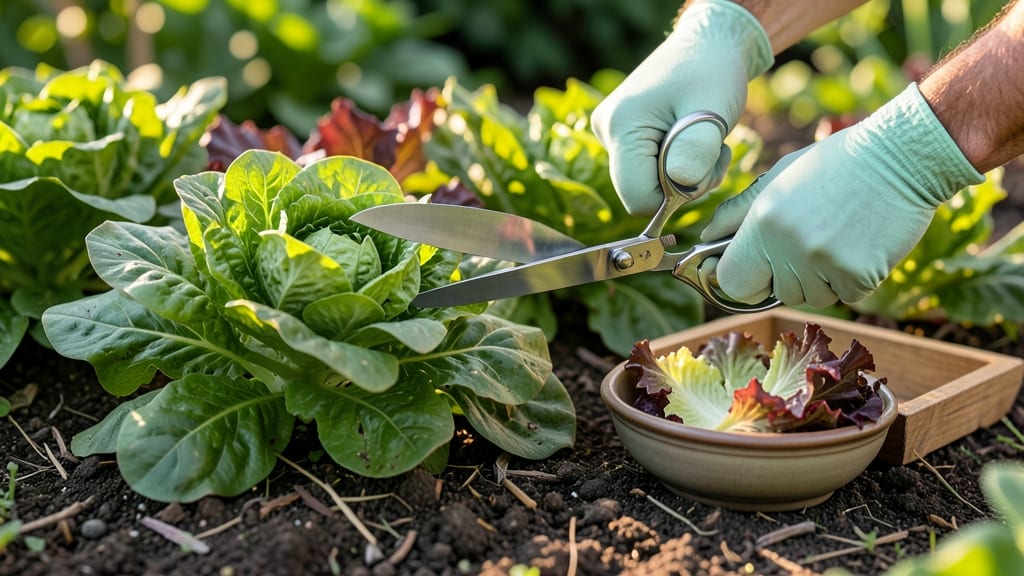
The correct way to cut lettuce for maximum regrowth
If you've ever cut your lettuce too aggressively and watched it struggle to regrow, you're not alone. The key to continuous lettuce harvests lies in how—and where—you cut the leaves.
Unlike many vegetables, lettuce can regrow after harvesting if you follow the right techniques. The goal is to remove only the outer leaves while leaving the inner growth point intact.
Lettuce regrowth works because the plant continues producing new leaves from its central growth bud. When you cut leaves improperly, you risk damaging this bud, which can stunt regrowth or even kill the plant.
The right cutting method ensures your lettuce keeps producing fresh, crisp leaves for weeks or even months, depending on the variety and growing conditions.
Before you grab your shears, know that not all lettuce varieties regrow equally well. Loose-leaf varieties like butterhead and leaf lettuce are the easiest to harvest repeatedly, while romaine and iceberg are less forgiving. Even with the best varieties, timing and technique matter more than you might think.
Step-by-Step Guide to Cutting Lettuce for Regrowth
- 1 Wait for maturity: Harvest only when outer leaves reach 4-6 inches in length and are firm but still tender. Bitter-tasting leaves mean it's past its prime.
- 2 Use clean tools: Always use a sharp pair of scissors or pruning shears (never your fingers!). Sterilize blades with rubbing alcohol to prevent disease.
- 3 Cut outer leaves only: Snip leaves 1-2 inches above the base, leaving the inner growth bud untouched. Aim for 1/3 of the plant at a time to avoid stress.
- 4 Avoid the center: Never cut into the heart of the lettuce (the tight cluster of leaves). This is where new growth emerges, and damaging it stops regrowth permanently.
- 5 Leave stubs: Cut leaves just above a leaf node (the bump where new leaves form). This encourages the plant to branch out and produce more leaves.
- 6 Rotate cuts: Always harvest from the outer edges first, moving inward. This prevents uneven growth and ensures the plant stays balanced.
- 7 Harvest frequently: Check your lettuce every 2-3 days. Frequent small harvests yield more tender leaves and encourage continuous regrowth.
One of the biggest mistakes gardeners make is cutting too much at once. If you remove more than 1/3 of the plant in a single harvest, the lettuce may bolting (sending up a flower stalk) or simply stop growing altogether.
This is especially true in hot weather, when lettuce senses stress and shifts its energy to reproduction.
For head lettuce varieties like romaine, you’ll need to adjust your approach. Instead of cutting individual leaves, harvest the entire head when it’s fully mature, but leave the base intact. Surprisingly, some romaine varieties can regrow a smaller head from the base, though the quality won’t match the first harvest.
Loose-leaf varieties, however, are far more forgiving and productive for repeated cuts.
Timing your harvests is just as important as how you cut. Always harvest in the morning when leaves are firm and hydrated. Avoid harvesting after rain or in the heat of the day, as wet or wilted leaves are more prone to disease and damage.
With the right technique, you can enjoy fresh lettuce for 6-8 weeks from a single planting!
Pro tip: If your lettuce starts to bolt (send up a flower stalk), it’s a sign it’s stressed. This can happen from
The correct way to cut lettuce for maximum regrowth
Lettuce is one of the easiest vegetables to regrow if you cut it properly. The key lies in preserving the plant's center while harvesting only the outer leaves. This method allows the inner leaves to continue growing, giving you multiple harvests instead of just one.
For loose-leaf varieties, you can even harvest up to 3-4 times in a single season!
Before you start cutting, make sure your lettuce is at least 4-6 inches tall with 3-4 mature outer leaves. These leaves should be firm and vibrant in color. If you harvest too early, the plant won’t have enough energy to regrow.
Use a sharp pair of scissors or pruning shears to avoid damaging the plant—dull tools can crush stems and invite pests.
Here’s how to cut lettuce for regrowth without killing the plant:
For head lettuce varieties like romaine or iceberg, the process is slightly different. Instead of cutting individual leaves, trim the outer leaves down to the base of the head, leaving the inner core intact.
This allows the plant to redirect energy to regrow the outer leaves while protecting the tender center. Repeat this process every 7-10 days for continuous harvests.
After cutting, always rinse the leaves in cool water to remove dirt and debris. Store them in a perforated plastic bag in the fridge for up to 5 days to keep them fresh.
If your lettuce starts to bolt (shoot up a tall flower stalk), it’s a sign of stress—usually from heat or over-maturity. In this case, harvest the remaining leaves immediately and consider succession planting for a fresh batch.
With these techniques, you’ll enjoy fresh, homegrown lettuce for weeks instead of just a single harvest. Just remember: less is more—always prioritize the plant’s health over quantity! 🥬✂️