
How To
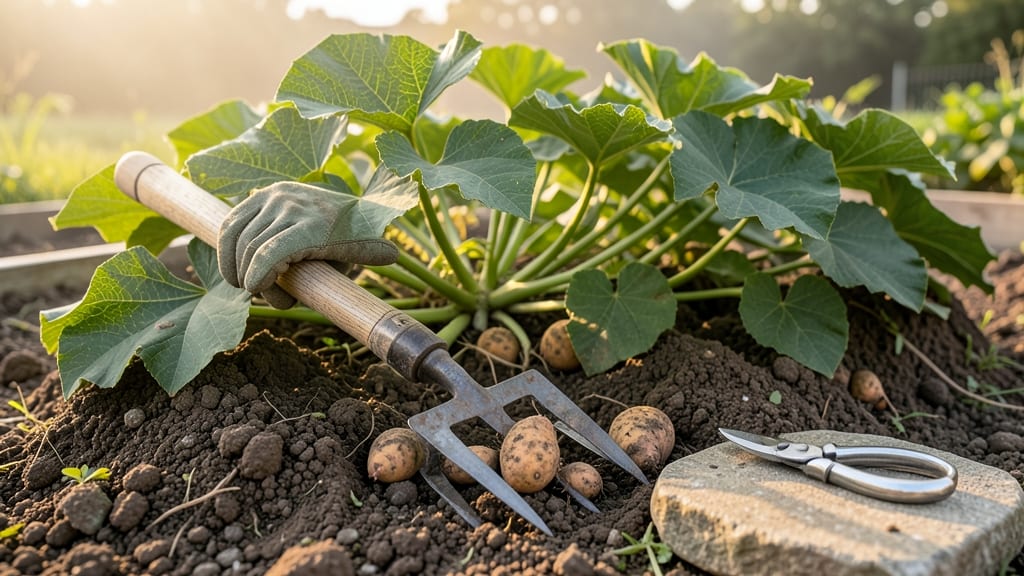
How to know when to dig up sweet potatoes—🍠—can mean the difference between a harvest of tender, flavorful tubers and a pile of tough, woody mess. If you wait too long, frost or rotting sets in, while harvesting too early leaves you with small, underdeveloped roots that won’t store well.
The key is watching for three clear signs: your vines turning yellow and crispy, the soil feeling loose when probed, and tubers becoming firm to the touch.
These cues tell you the sweet potatoes have reached peak maturity—usually around 105 days after planting in zone 6a—but timing can shift based on your climate.
In warmer regions, you might harvest as early as October, while cooler areas could wait until November. But here’s the catch: if frost is on the horizon, don’t delay—dig them up before temperatures drop below 50°F, or risk damage that ruins your crop.
I’ll walk you through exactly how to check your plants and soil, plus what to do if you miss the window. By the end, you’ll never second-guess harvest time again—and your sweet potatoes will thank you with perfect texture and sweetness.
5 Clear signs your sweet potatoes are ready for harvest (vine and soil checks)
Timing is everything when it comes to harvesting sweet potatoes. Unlike many vegetables, these tubers don't ripen further after picking, so missing the window means smaller, less flavorful yields.
The key lies in observing vine condition and performing simple soil checks that reveal when your plants are ready to be dug up.
Most gardeners wait 90-120 days after planting slips, but environmental factors like soil temperature and day length can shift this timeline by weeks. For example, in Zone 7, I typically harvest in early October, while gardeners in Zone 9 might wait until November.
The good news? Your plants will give you clear signals when it's time.
Here are the 5 foolproof signs your sweet potatoes are ready for harvest, ranked by reliability:
Pro tip: Combine these signs with a tuber probe test. After seeing 3-4 of these indicators, use a long screwdriver or dowel to gently probe the soil near vines. If you hit resistance (not hard rock, but firmness), you've likely found a mature tuber.
I've found this method reduces digging time by 30% while ensuring only fully developed potatoes are harvested.
Regional differences matter too. In short-season zones (5-6), prioritize signs #1, #2, and #5. In longer growing areas (8-10), focus on #1, #3, and #4. For example, in Florida, I harvest based on vine condition alone, while in Maine, frost timing takes precedence.
One common mistake? Waiting for complete vine death. While this can work, over-mature vines signal tubers may have shriveled or developed woodiness. Aim for 70-80% vine yellowing—this gives you the sweet spot between maturity and freshness.
I've learned this the hard way after leaving plants too long in Zone 6 one autumn!
Remember: Sweet potatoes store best when harvested at 70-75°F soil temps. If your area experiences hot summer soils (>85°F), wait until temperatures drop slightly in late summer or early fall. This prevents stress on the tubers during harvest and improves storage life.
How to test sweet potato maturity without digging (soil and tuber probing methods)
Testing sweet potato maturity without digging is a smart way to avoid damaging tubers too early. Instead of guessing, use these non-invasive methods to confirm readiness. The key is checking vine condition and soil resistance—both tell you whether tubers have reached their ideal size.
Start by pressing gently on the vines. If they snap easily and turn yellow-brown, the tubers are likely mature. This happens when the plant redirects energy from leaves to roots. Avoid pulling leaves—just observe their dry, crispy texture as a sign of readiness.
Next, probe the soil near the base of the plant. Use a garden trowel or stick to gently loosen the top 2-3 inches of soil. If you feel firm, plump tubers just below the surface, they’re ready.
Smaller tubers mean more time in the ground, but avoid waiting too long—woody tubers form after 120 days.
- Step 1: Check vine color—yellow-brown means maturity.
- Step 2: Press vines—crispy texture confirms readiness.
- Step 3: Probe soil—firm tubers indicate harvest time.
- Step 4: Avoid frost—harvest before 32°F (0°C) to prevent damage.
For regional adjustments, warm climates (like USDA Zones 8-10) can harvest earlier (90-100 days), while cooler zones (6-7) may need 105-120 days. Always dig a test tuber if unsure—cutting it open reveals if the center is firm and dry, not soft or shriveled.
Never wait for first frost—sweet potatoes won’t survive freezing. If frost is forecast, harvest immediately and cure tubers indoors. Store them in a cool, dark place (60-65°F) for 10 days to develop a thick skin and extend shelf life.
Pro tip: Mark planting dates to track growth. Most varieties mature in 105 days, but Beauregard and Georgia Jet are faster (90-100 days). Use a planting journal to log progress and adjust future harvests.