
Pests
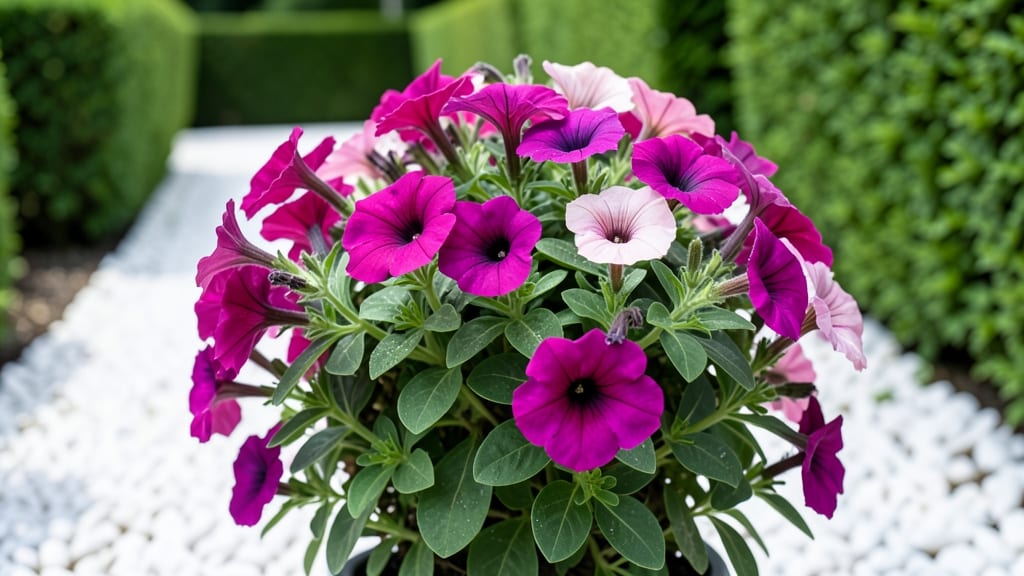
Petunias bring vibrant color to gardens but struggle to thrive without proper care. These 10 expert-backed strategies will help your petunias bloom longer, resist pests, and survive through every season—even for beginners.
Best Soil Mix for Petunias
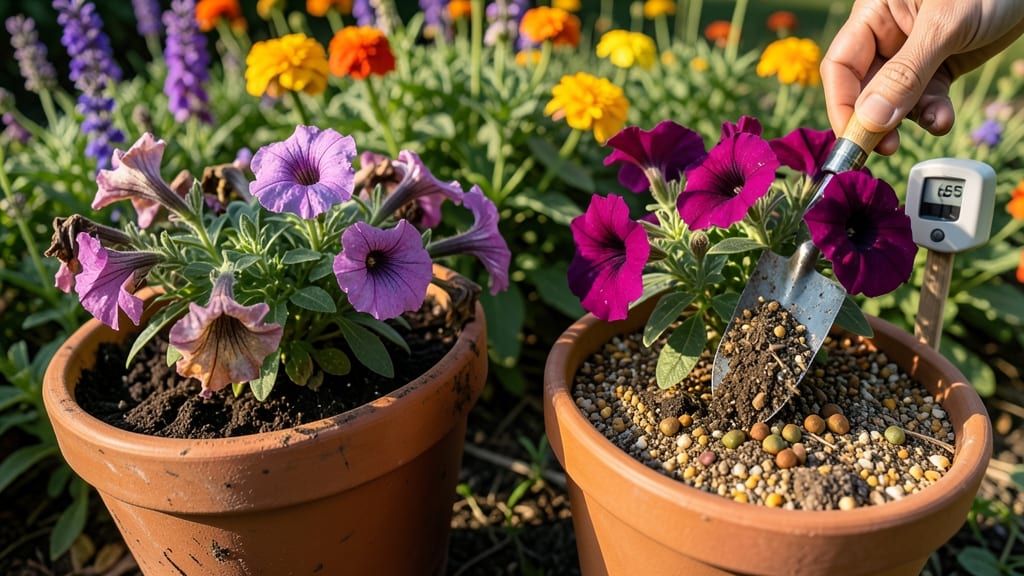
Petunias may love to show off their blooms, but they’re picky about their soil—too much moisture or poor nutrition can turn your vibrant flowers into a sad, wilted mess. The secret to keeping them thriving lies in a well-draining, nutrient-rich mix that mimics their natural habitat while preventing root rot.
Start with 50% high-quality potting soil (like a peat-based mix) and blend in 30% perlite or coarse sand for aeration. Add 20% compost or worm castings to feed those hungry roots without compacting the soil. For containers, include a handful of orchid bark to improve drainage further. This mix ensures water flows freely while keeping essential nutrients available for continuous blooming all season.
Whether you’re planting in the ground or containers, this formula works for both. Beginners and busy gardeners will especially appreciate how it reduces the need for constant fertilizing—just refresh the compost layer every few weeks. 🌟
Proper Watering Schedule
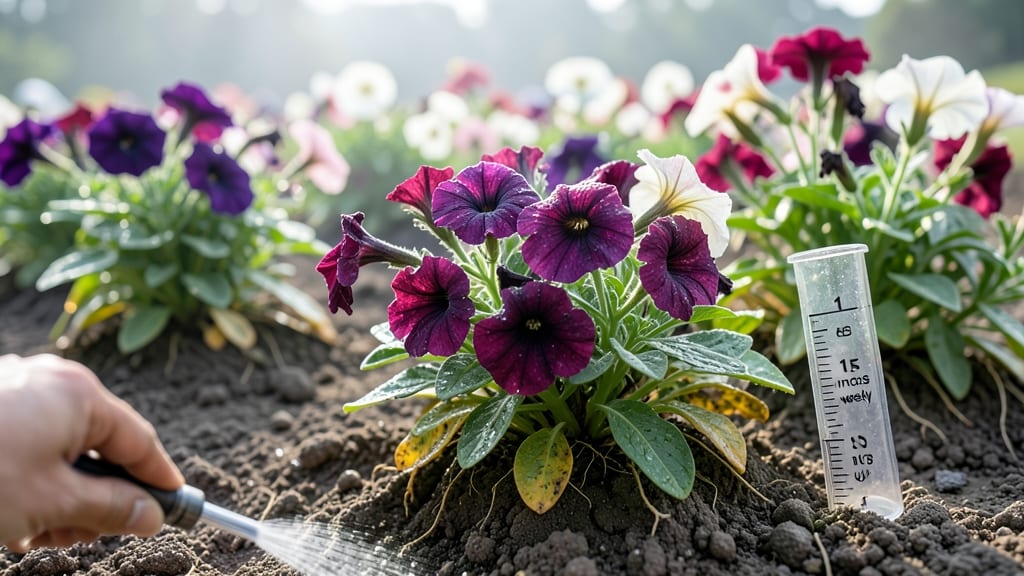
Petunias wilt faster from overwatering than from thirst—yet most gardeners drown them by default. The key isn’t just how much you water, but when and how you deliver it to keep roots oxygenated and happy.
Water petunias deeply but infrequently: Aim for 1-1.5 inches of water per week, delivered in the early morning (before 10 AM) to reduce evaporation and fungal risks. Use a soaker hose or drip irrigation to water at the soil level—never overhead—to prevent mildew on delicate petals. Let the top 1-2 inches of soil dry out between waterings; stick your finger in the soil to test moisture.
This schedule works for both container and in-ground petunias, but container plants may need daily checks in hot, dry climates. Mastering this rhythm saves you from root rot while keeping blooms vibrant all season. 🌟
Sunlight Requirements Explained
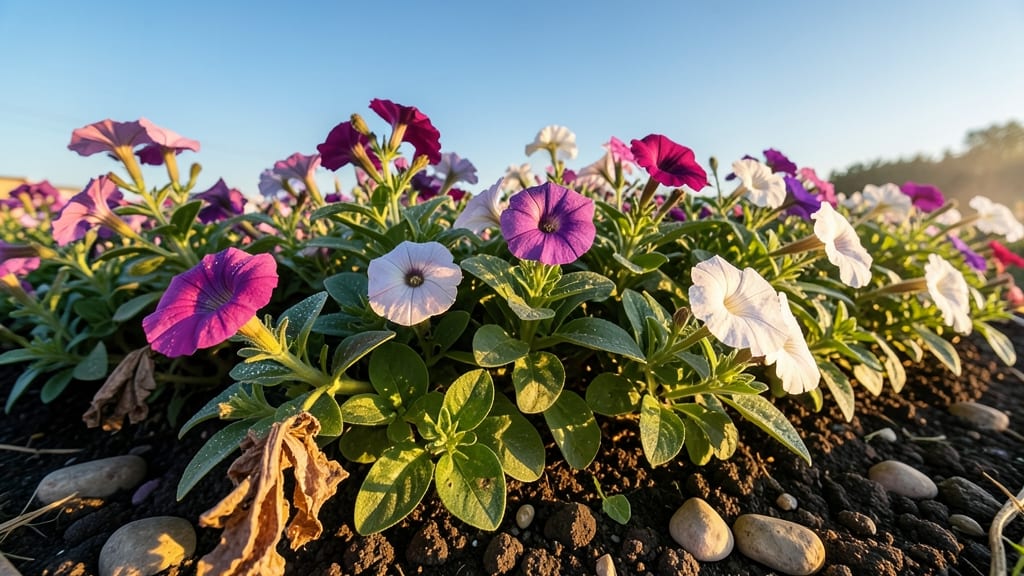
Petunias crave sunlight like a beachgoer craves sunshine—but too much can turn their leaves crispy. The key is finding the goldilocks zone of light: enough to fuel blooms, but not so intense it causes heat stress, especially in hot climates.
Most petunias thrive with 6-8 hours of direct sunlight daily, but varieties like Surfinia or Wave (trailing types) can tolerate partial shade in afternoon heat. If your area hits 90°F+, provide afternoon shade with a sheer curtain or nearby tree to prevent leaf burn. Darker petunia colors (like deep purples) handle heat slightly better than pale pinks or whites.
Gardeners in humid climates should prioritize morning sun and afternoon shade, while cooler regions can push petunias to 8-10 hours of light for bigger blooms. Start by observing your plants—if leaves yellow or crisp, it’s time to adjust their sun exposure. 🌻
Deadheading for Longer Blooms
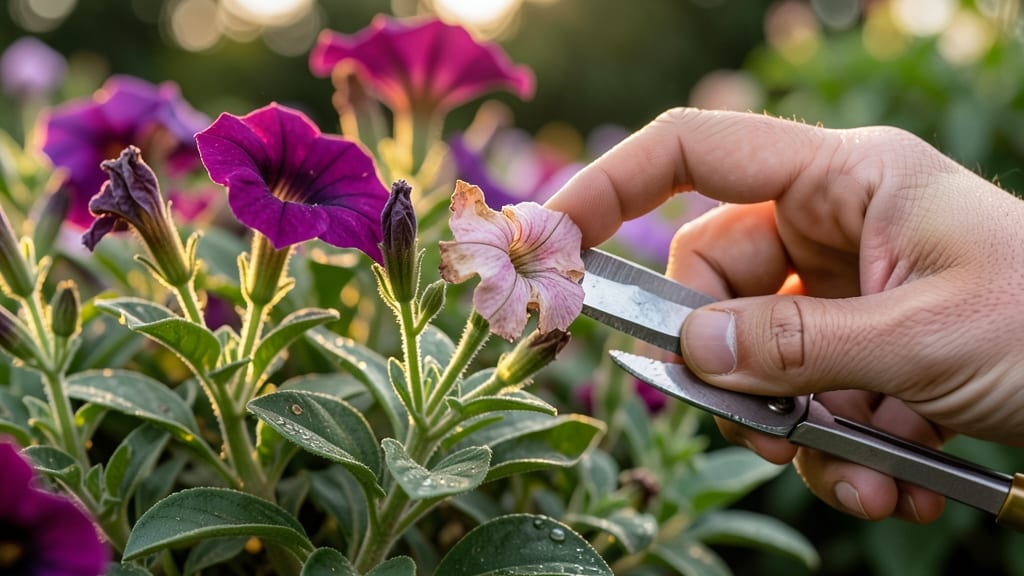
Tired of petunias blooming for just a few weeks before fading? Deadheading is your secret weapon—this 2-minute task redirects energy from spent flowers to new buds, often doubling your blooming season with minimal effort.
Simply pinch off faded blooms with your fingers or shears just above the next set of leaves. For trailing petunias, focus on the tips to encourage bushier growth, while bush varieties benefit from trimming back leggy stems. Do this every 3-5 days during peak bloom, and you’ll see fresh flowers within days—no fancy tools required!
This technique works for all petunias, whether in containers or garden beds, and even lazy gardeners report noticeable results after just one session. Try it once and watch your petunias transform into nonstop bloomers! 🌻
Fertilizing Petunias Correctly
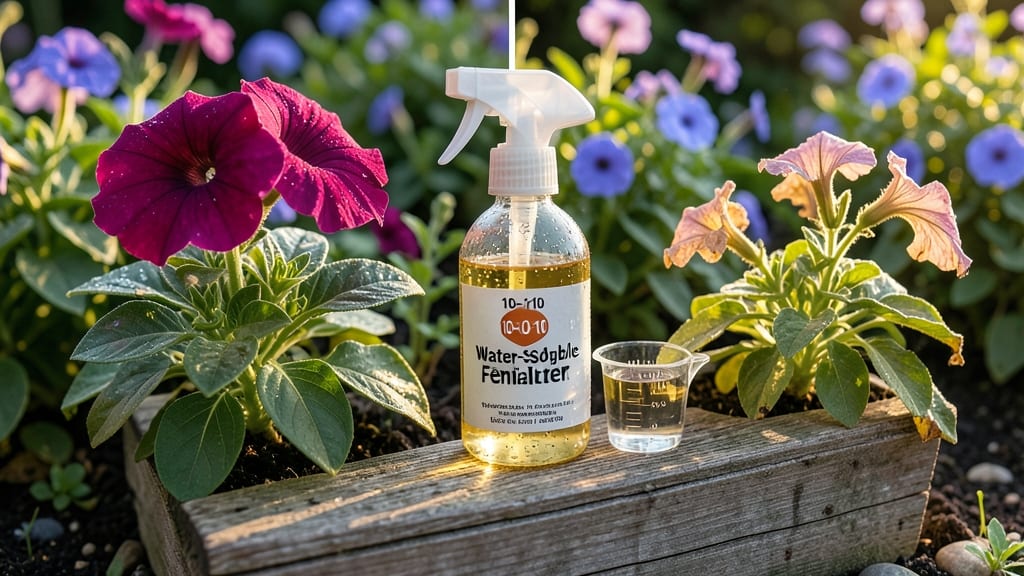
Petunias are hungry bloomers, but feeding them wrong can turn their vibrant colors into sad, sparse flowers. The key is balance: too much fertilizer burns roots, while too little leaves them stunted and weak. Use a balanced, water-soluble fertilizer (like 10-10-10) diluted to half-strength every 2-3 weeks during the growing season.
Start fertilizing when you see new growth in spring, then switch to a low-nitrogen, high-phosphorus formula (like 5-10-5) to boost blooms. Always water thoroughly before applying fertilizer to prevent root burn. For container petunias, use a slow-release granular fertilizer mixed into the soil at planting time to avoid overfeeding.
This method ensures continuous blooms without stressing your plants—perfect for busy gardeners who want stunning petunias with minimal effort. 🌻
Pest Control Without Chemicals
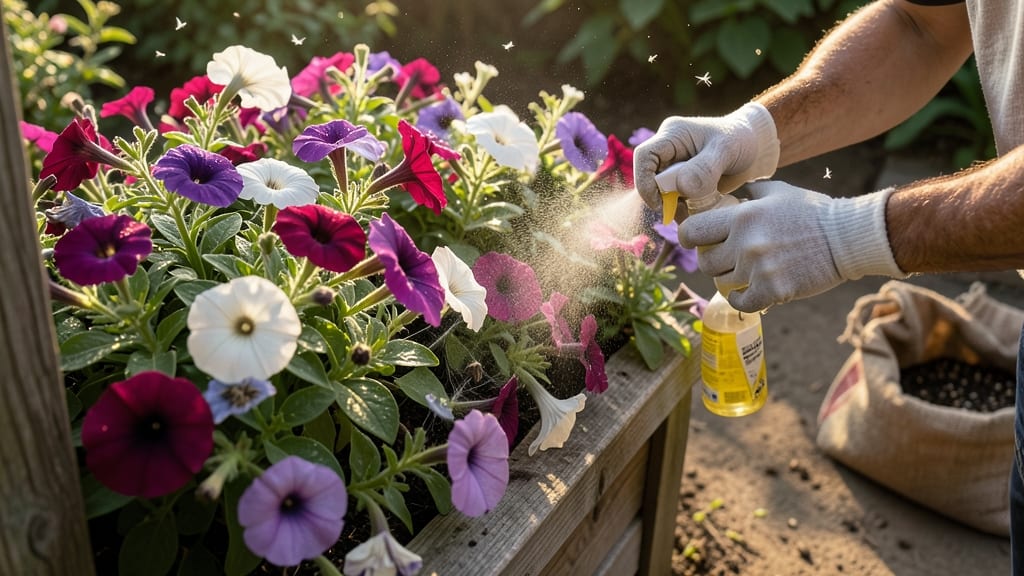
If your petunias are under siege by aphids, spider mites, or whiteflies, don’t reach for harsh chemicals—these pests thrive on petunias, but natural solutions can outperform pesticides in just days. The key is acting fast with targeted, organic methods that protect both your plants and pollinators.
Start with a neem oil spray (1 tablespoon per quart of water with a drop of dish soap) applied in the early morning to avoid harming bees. For physical barriers, wrap the base of plants in copper tape—the mild electrical charge repels crawling insects. Introduce ladybugs or lacewings (available at garden centers) for biological control, as they devour pests within 24-48 hours. Reapply sprays every 5-7 days until infestations clear.
This approach is perfect for eco-conscious gardeners or those with kids/pets, as it eliminates toxic residues while keeping petunias thriving. 💚
Winterizing Petunias for Next Year
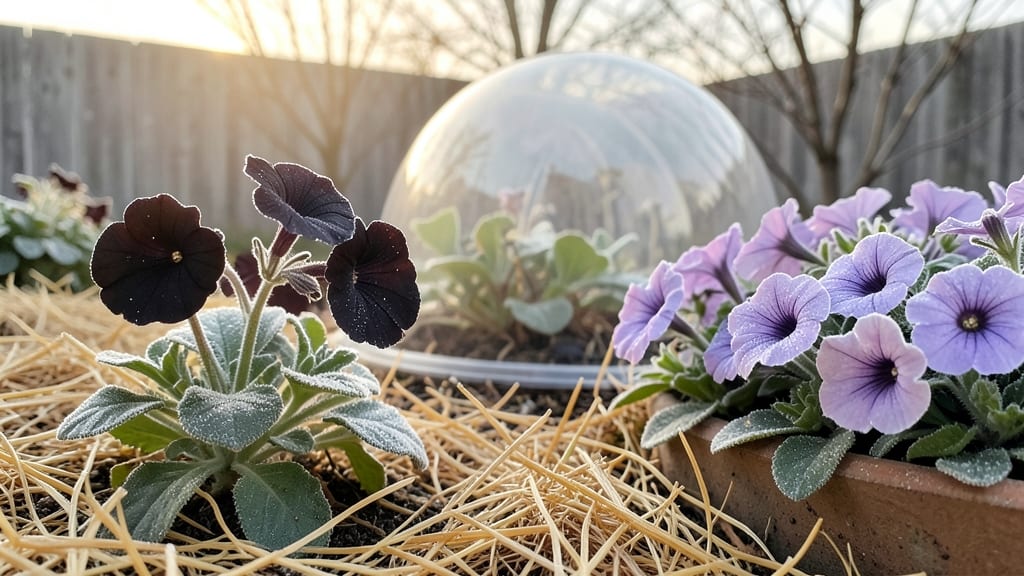
Don’t let frost signal the end of your petunias—with the right winterizing techniques, even tender varieties can bounce back stronger next spring. Cold-hardy types like Surfinia Black or Wave Purple thrive with minimal protection, while others just need a cozy blanket of mulch to survive sub-freezing temps.
Start by cutting back dead or yellowed foliage to redirect energy to roots. For container petunias, wrap pots in bubble wrap or move them to an unheated garage where temps stay above 20°F. Add a 4-6 inch layer of straw mulch around in-ground plants to insulate roots, and consider a frost cloth for extra protection in harsh climates.
This method works especially well for gardeners in USDA Zones 7-9, where winters are mild but still risky. Even if your petunias look dormant, their roots stay alive—ready to burst into color as soon as spring arrives. 🌱
Container Gardening Tips
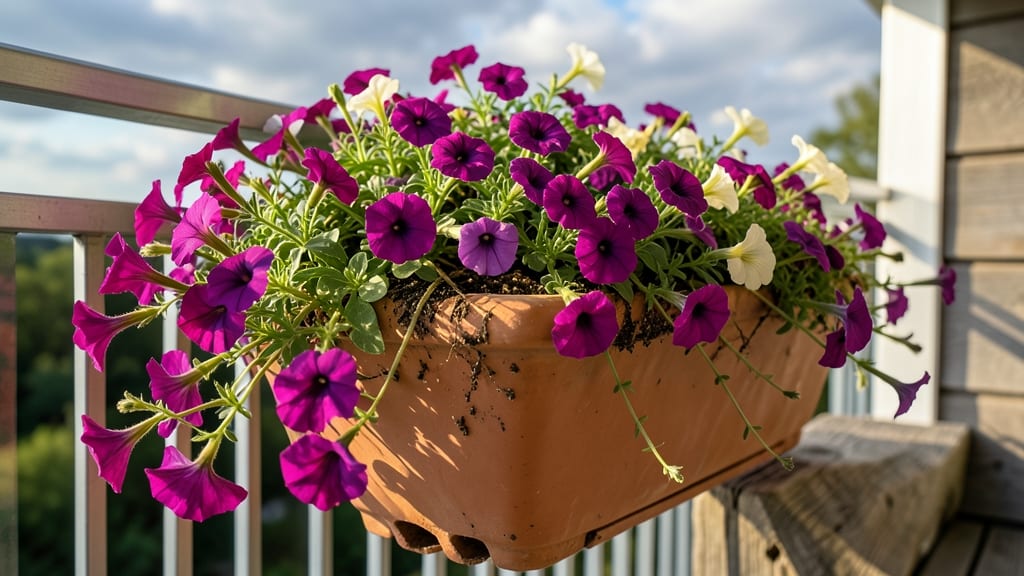
Want petunias that spill over your balcony in vibrant cascades? Containers are perfect for these showstoppers, but the wrong setup leads to leggy stems and sparse blooms. The key lies in container size, drainage, and spacing—details most gardeners overlook until it’s too late.
Start with containers at least 12 inches deep (shallower pots stunt root growth) and ensure drainage holes—petunias hate soggy feet. Space plants 8-12 inches apart for bush varieties or 10-14 inches for trailing types to prevent overcrowding. Use lightweight potting mix (like a 60/40 blend of peat moss and perlite) to keep roots aerated. For extra impact, mix trailing and bush varieties in the same pot.
Urban gardeners and small-space growers will love this hack: hanging baskets maximize vertical space while keeping petunias within easy reach for deadheading. With the right setup, your containers will burst with blooms all season long. 🌿
Choosing Disease-Resistant Varieties
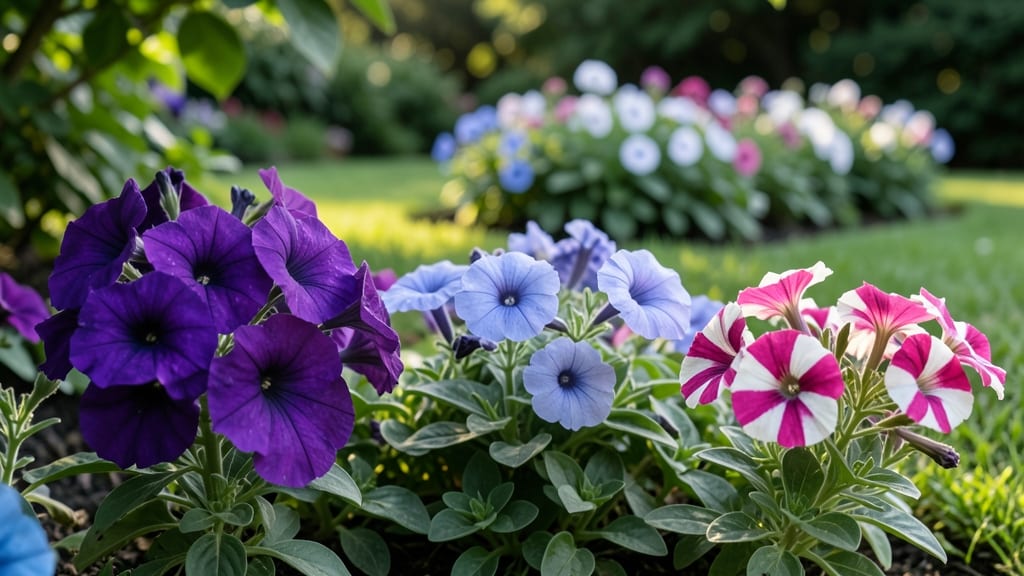
Tired of battling powdery mildew and blight every summer? The solution might be as simple as swapping your current petunias for disease-resistant varieties like 'Wave Purple,' 'Mitchell,' or 'Crazytunia.' These cultivars are bred to shrug off fungal infections, saving you time and stress.
Look for labels or descriptions mentioning resistance to mildew, blight, or rust—these varieties thrive in humid conditions without the usual chemical treatments. Plant them in areas with good airflow (like raised beds or containers) and avoid overhead watering to further reduce disease risk. Your garden will reward you with bold, healthy blooms all season long.
Busy gardeners and those in humid climates will especially appreciate these low-maintenance stars. 💚
Pruning for Bushier Growth

Want petunias that look like they’re from a high-end garden center? Pruning for bushier growth is your secret weapon—it’s easier than you think! Unlike deadheading, which focuses on spent blooms, this technique targets the plant’s structure to encourage thicker, fuller foliage and more abundant flowers.
Start by trimming back leggy stems by one-third in early spring, just as new growth begins. Use clean, sharp pruners to make cuts just above a leaf node or bud, which signals the plant to branch out. For trailing varieties, pinch back the tips of vines to promote bushier habits, while bush types benefit from shearing the entire plant lightly every 4-6 weeks. Avoid over-pruning, though—stick to light trims to prevent stress.
This method works wonders for both container petunias and in-ground plants, giving you that lush, full look with minimal effort. Perfect for busy gardeners who want impact without hours of maintenance! 💚