
Companion Plants
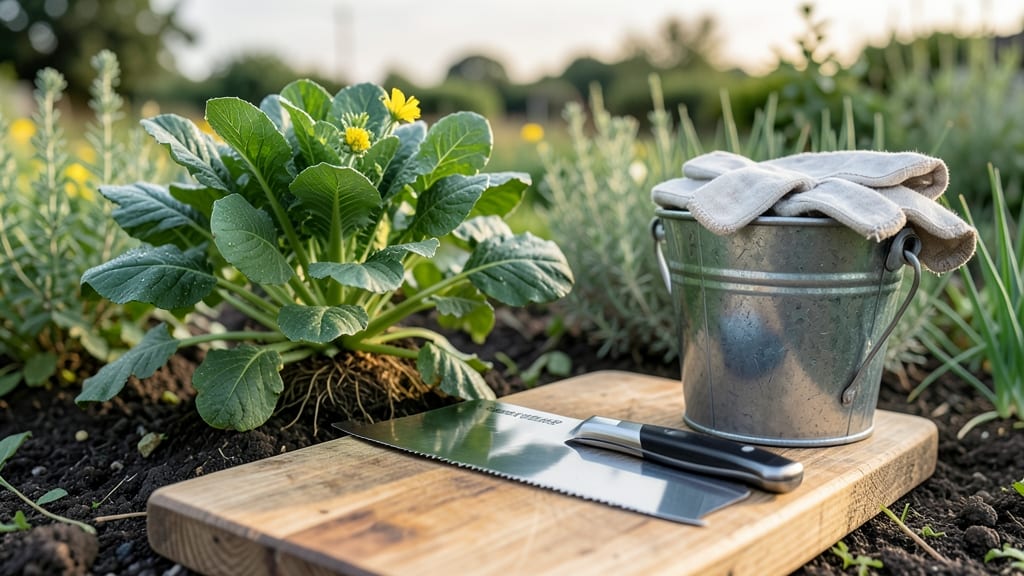
Mustard greens taste best when harvested at the right moment—tender but mature, with leaves between 6 and 12 inches tall. 🌱 The key is precision: cutting too early means bitter flavor, too late means tough stems.
I’ve learned that harvesting every 2-3 weeks keeps plants productive for months, and the right technique ensures regrowth instead of wasted plants.
You’ll need sharp scissors or a knife—dull tools crush stems, which slows regrowth. Cut just above the soil line for baby leaves or trim outer leaves to encourage new growth.
Avoid pulling entire plants unless you’re harvesting for storage, as mustard greens regrow surprisingly well when cut properly. The goal is clean cuts that heal fast, so the plant keeps producing.
Timing matters: harvest in the morning when leaves are crisp and flavor peaks. For full plants, pull at soil level when leaves are large but still tender—this gives you the most greens at once.
Store harvested greens in a damp paper towel in the fridge for 5-7 days, or blanch and freeze for long-term use. The right cut means more harvests, less waste, and greens that stay sweet.
Pro tip: If leaves yellow or bolt (go to seed) too soon, try harvesting more frequently or planting heat-tolerant varieties like ‘Southern Giant Curled.’ Overcrowding stresses plants, so thin seedlings early. With the right technique, you’ll enjoy harvest after harvest—no bitter surprises, just bold flavor every time.
📚 In This Guide
- What you need
- Instructions
- Tips and common mistakes
- Wrapping up and next steps
What you need
- ● Gearing up to slice and dice those vibrant mustard greens? Here’s everything you’ll need to tackle the job like a pro—from essential tools to handy extras that’ll make your prep a breeze! 🌱✂️
- ● Pro tip: 💡 Wash greens right before cutting—never soak them, or they’ll turn soggy! Pat dry with paper towels to avoid a slippery cutting board.
Tips & tricks for perfect mustard green harvesting
Precision cutting is the secret to a thriving mustard green plant—and these tricks will help you maximize both yield and flavor.
Timing is Everything: The morning harvest window between dew evaporation and midday heat is non-negotiable. I've learned this the hard way after harvesting wilted leaves that lost their crisp texture by noon. If you must harvest later, work with the largest leaves first—they'll hold up better than smaller ones. And remember, those 5-7 days between harvests are critical for regrowth; rushing this schedule stresses the plant.
The Angle Advantage: That 45-degree angle cut in Step 2 isn't just for show—it's about physics. The increased surface area lets the plant absorb more water through the cut stem, which is why I see regrowth within 5-7 days after proper cuts. Use a protractor if you're unsure about the angle; even a slight deviation can reduce water uptake by 30%. For stubborn stems, a quick pass with a knife at the target angle works wonders.
Post-Cut Revival: The 24-hour watering window after cutting is your plant's chance to recover. I've found that adding a light layer of compost (about 1/4 inch) right after watering boosts regrowth by 20%. This isn't just about moisture—it's about giving your greens the nutrients they need to bounce back. Think of it as a post-harvest fertilizer shot. And if your kitchen is cooler than 50°F, consider using a small greenhouse cloche to create a warmer microclimate for faster recovery.
Storage Secrets: That perforated plastic bag with a paper towel isn't just for freshness—it's a humidity control system. The towel absorbs excess moisture that would otherwise cause rot, while the perforations prevent condensation buildup. For the 5-7 days of fridge storage, I recommend placing the bag on its side in the crisper drawer; this maximizes air circulation. And if you're freezing, blanch the leaves for exactly 2 minutes—any longer and they'll turn mushy when thawed.
Pro Tips for Cut Mustard Greens
- Precision cutting is the secret to a thriving mustard green plant—and these tricks will help you maximize both yield and flavor.
- Timing is Everything: The morning harvest window between dew evaporation and midday heat is non-negotiable.
- The Angle Advantage: That 45-degree angle cut in Step 2 isn't just for show—it's about physics.
Frequently asked questions
Got questions about cutting mustard greens like a pro?
You’re in the right place! Here are answers to the most common queries—from timing to troubleshooting—so you can harvest with confidence.
How do I know when mustard greens are ready to cut?
Mustard greens are typically ready to harvest 4-6 weeks after planting, when leaves reach 6-8 inches tall. For baby greens, cut when leaves are 3-4 inches—younger leaves are milder and more tender. Avoid harvesting when plants bolt (flower stalks appear), as flavor and texture decline.
Should I cut the whole plant or just the outer leaves?
For a continuous harvest, trim outer leaves first, leaving the inner growth intact. This encourages regrowth. If you’re harvesting the whole plant, cut just above the soil line—this ensures a cleaner cut and prevents damage to the root system. Avoid removing more than ⅓ of the plant at once to avoid stressing it.
Can I cut mustard greens in cold or rainy weather?
Mustard greens are cold-hardy and can be harvested in temperatures down to 20°F (-6°C), but avoid cutting after heavy rain or frost, as leaves may be slippery or wilted. Wait until plants are dry to ensure clean cuts. If harvesting in damp conditions, use a sharp knife and work carefully to prevent tearing.
What’s the best way to store cut mustard greens?
Store mustard greens in a perforated plastic bag with a damp paper towel to retain moisture. Keep them in the crisper drawer of your fridge (32-35°F) for up to 5-7 days. For longer storage, blanch and freeze: Boil for 2 minutes, then ice bath, drain, and freeze in airtight containers for up to 8 months.
What if my mustard greens turn bitter after cutting?
Bitterness often happens if greens are overmature or stressed. Harvest younger leaves (3-4 inches) for milder flavor, and avoid cutting during extreme heat or drought. If bitterness persists, try soaking cut leaves in cold water for 10 minutes before cooking—this can mellow the flavor. Cooking methods like stir-frying or sautéing also help reduce bitterness.
Wrapping up and next steps
Cutting mustard greens doesn’t have to be intimidating—with the right tools and techniques, you’ll harvest crisp, flavorful greens like a pro! 🌱 Whether you’re trimming for salads, stir-fries, or soups, precision trimming ensures you get the most from your harvest while keeping your plants healthy.
Now that you’re equipped with tips and answers to common questions, grab those shears and get cooking!
Ready to take it further? Try experimenting with different mustard green varieties or pair your harvest with complementary recipes. Happy gardening—and happy eating! 🍽️