
Companion Plants
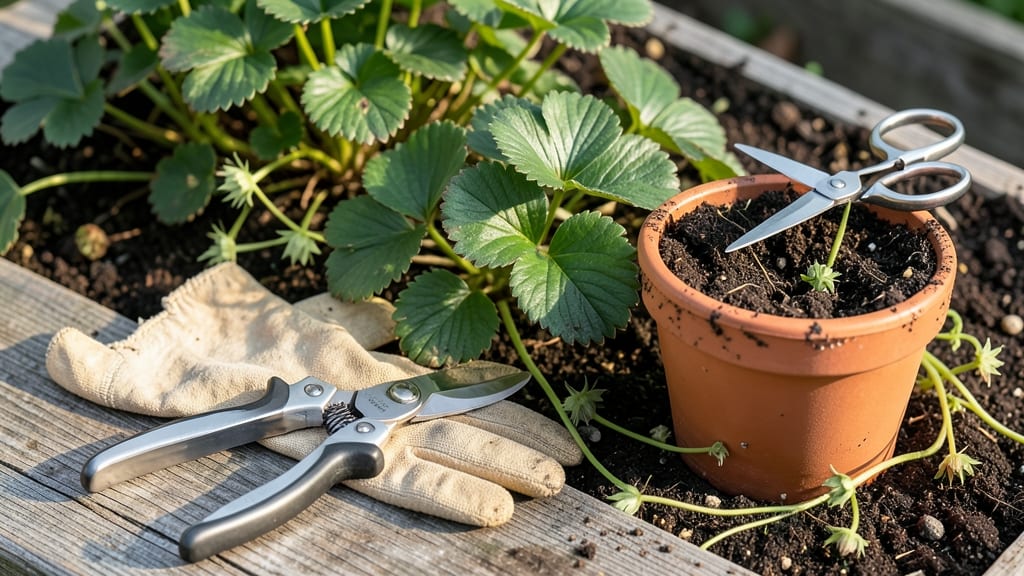
How to cut runners off strawberry plants isn’t just pruning—it’s the secret to bigger harvests next season. 🌱 I learned the hard way that ignoring these long, thin stems drains energy from fruit production, leaving you with puny berries. The key is timing and technique: too early, and you stunt growth; too late, and you lose potential plants.
You’ll need clean pruners (or sharp scissors) and a sunny morning to spot runners—those wiry stems with tiny leaves at the tips—before they root. The best time? June through July, when runners are 3–6 inches long but haven’t taken root yet.
Snip them cleanly at the base, about ½ inch from the mother plant, to avoid leaving stubs that rot.
What you do with the cuttings matters too: discard weak runners (thin, leggy ones) but save healthy ones to root in water or soil for new plants.
By mid-summer, your strawberries will focus energy on juicier, larger berries instead of spreading everywhere. The payoff? A garden full of plump, flavorful fruit by next June.
Pro tip: If your patch is crowded, thin runners more aggressively—one strong plant per 6 inches gives them room to thrive. And yes, you can replant runners, but only if they’re vigorous. Weak ones just waste your time. Start small, and watch your harvests transform.
📚 In This Guide
- What you need
- Instructions
- Tips and common mistakes
- Wrapping up and next steps
What you need
- ● Sharp pruning shears or bypass pruners – Choose a pair with sterilized, stainless steel blades (4-6 inch blades work best). Why? Clean cuts prevent disease and reduce stress on the plant.
- ● Gloves (gardening or cut-resistant) – Protects your hands from thorns and dirt. Opt for breathable, durable fabric (e.g., leather or reinforced nylon).
- ● Disinfectant (70% isopropyl alcohol or bleach solution) – 1 part bleach to 9 parts water. Sterilize tools before and after use to avoid spreading pathogens.
- ○ Compost or mulch (optional but recommended) – 2-3 inches of shredded bark, straw, or compost to cover the soil after trimming. Helps retain moisture and suppress weeds.
- ● Rake or hoe – For clearing debris and loosening soil around the plant base.
- ● Watering can or hose with a gentle spray nozzle – To hydrate plants before and after trimming.
- ○ Markers or flags (optional) – Color-coded sticks or plant tags to label trimmed areas if you’re managing multiple strawberry varieties.
- ● Mature strawberry plants – Best done when plants are 2-3 years old and actively growing (spring or early summer).
- ● Dry, calm weather – Avoid trimming after rain or in high humidity to prevent fungal infections.
- ● Time of day – Early morning or late afternoon to reduce plant stress from heat.
Tips & tricks for perfect strawberry plant maintenance
Mastering the art of strawberry runner management transforms your garden from a sprawling mess into a productive powerhouse. Here's what I've learned after years of trial and error.
Timing Secret: The 4-6 inch rule isn't arbitrary—this is when runners have developed enough root mass to be actively sapping nutrients from your mother plant, but not so developed that they've already diverted too much energy. I check runners in the morning after dew has dried because that's when plants are at their peak turgidity, making identification easier. Think of it as catching them in the act of resource theft.
Precision Cutting Technique: That 45-degree angle cut isn't just for looks—it's a hydroponic engineering marvel. The angled cut creates a natural drainage channel that prevents water from pooling on the stub, which would otherwise create a perfect environment for fungal infections. I've seen too many gardeners cut flush with the plant only to watch their strawberries develop crown rot weeks later. That quarter-inch clearance makes all the difference.
Stress Management Strategy: The staggered approach of removing only the most vigorous runners first is crucial. I've learned this the hard way—removing everything at once can shock plants, especially during hot weather. Leave those smaller, less developed runners as a buffer system. It's like giving your plants a financial cushion during a budget crisis. They'll thank you with better fruit production.
Recovery Monitoring: Watching for new leaf growth within 5-7 days is your plant's way of giving you a high-five. That's when you know you've struck the right balance. I keep a simple garden journal where I track trimming dates and plant responses. For June-bearing varieties, I'm more aggressive with runner removal, while ever-bearing types need a gentler touch. It's all about reading your plants like a seasoned gardener.
Pro Tips for Cut Runners Off Strawberry Plants
- Mastering the art of strawberry runner management transforms your garden from a sprawling mess into a productive powerhouse.
- I check runners in the morning after dew has dried because that's when plants are at their peak turgidity, making identification easier.
- Precision Cutting Technique: That 45-degree angle cut isn't just for looks—it's a hydroponic engineering marvel.
Frequently asked questions
about cutting runners off strawberry plants—because even the greenest thumbs have questions! Here’s what you need to know before grabbing those pruners.When is the best time to cut runners off strawberry plants?
Trim runners after the first harvest (late spring to early summer) when plants are actively growing. Avoid cutting in fall or winter—they’ll need energy to survive dormancy. For June-bearing varieties, focus on early summer; everbearing and day-neutral types can handle light pruning year-round.
What happens if I don’t cut runners off my strawberries?
Leaving runners unchecked drains energy from fruit production, weakening your plants and reducing harvests. Over time, your patch may become overcrowded, leading to smaller berries and more pests/diseases. Think of it like letting weeds take over your garden—runners are the strawberry version!
Can I reuse cut runners to grow new plants?
Propagate runners by planting the rooted tips in pots with potting soil. Keep them moist and in partial shade until established. This is a free way to expand your strawberry patch—just ensure the parent plant has enough strength to spare runners for propagation.
What if my strawberry runners keep growing back after cutting?
Persistent runners often mean your plant is young, healthy, or over-fertilized. For June-bearing types, focus on removing them post-harvest. If they’re stubborn, try pinching them off early (when they’re 2–3 inches long) to redirect energy to fruit. Over time, your plants will mature and produce fewer runners.
Are there any alternatives to cutting runners for bushier plants?
Yes! For everbearing/day-neutral varieties, you can lightly prune runners to encourage bushiness without removing them entirely. Another trick: mulch heavily around plants to suppress runners naturally. Just avoid thick mulch layers (over 2 inches) near the crown to prevent rot. Balance is key!
Wrapping up and next steps
Cutting runners off your strawberry plants is a simple yet powerful way to boost your harvest and keep your garden thriving!
By following these steps—using the right tools, timing your cuts, and composting or repurposing runners—you’ll encourage stronger, more productive plants. Your patience will pay off with bigger, sweeter berries and a healthier patch! 🍓
Ready to take your strawberry game to the next level? Try pruning just one section of your plants this week and observe the difference. Soon, you’ll be a pro at nurturing lush, runner-free bushes that reward you with an abundance of delicious fruit!