
Blooming
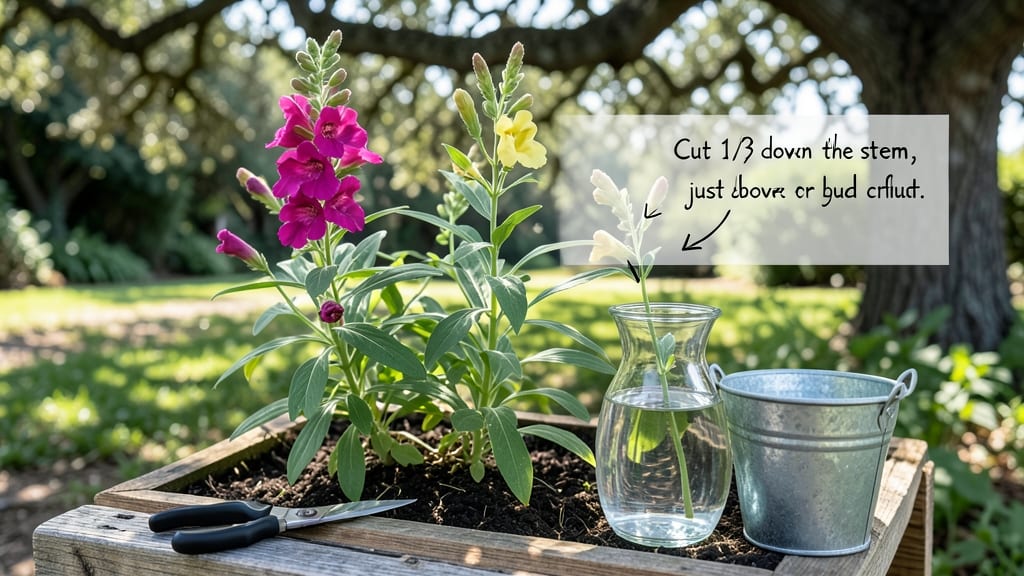
How to cut snapdragons for more blooms could extend their flowering season by months with just a few simple pruning tricks. ✂️ I used to watch mine fade after one flush of flowers—until I learned the simple pruning trick that keeps them producing fresh blooms all season. The key isn't just cutting flowers but understanding which stems to target and when.
You'll need sharp pruners, a sunny afternoon, and about 10 minutes of focused work. The goal is to remove spent blooms while encouraging new growth from the right spots.
Cut just above the next set of leaves where the flower stem meets the main stem—this tells the plant to redirect energy into fresh blooms rather than seed production.
After pruning, give your plants a light drink of water and a little shade for the next day. You'll start seeing new buds forming at the base of the plant within 2-3 weeks, with continuous blooms that last until frost.
The secret? Consistency—repeat this process every 1-2 weeks throughout the season.
Works for both tall garden varieties and dwarf types. The same technique boosts production in other long-blooming flowers like sweet william and stock. Here's how to do it right—no more wasted energy on seed heads, just endless color.
📚 In This Guide
- What you need
- Instructions
- Tips and common mistakes
- Wrapping up and next steps
What you need
- ● Sharp pruning shears or floral scissors – Clean, sterilized, and with bypass blades (avoid dull tools that crush stems).
- ● Snapdragons (Antirrhinum spp.) – Mature plants with at least 2-3 sets of leaves and 1-2 blooms (healthy, disease-free plants yield best results).
- ● Disinfectant (rubbing alcohol or bleach solution) – 1 part bleach to 9 parts water (for sterilizing tools between cuts).
- ● Watering can or hose with a gentle spray nozzle – For post-trimming hydration.
- ○ Garden gloves (optional but recommended) – To protect hands from thorns or sap.
- ○ Pruning sealant or honey – Dab a tiny amount on cuts to prevent bacterial entry (optional for large gardens).
- ● Plant food or fertilizer – Balanced, water-soluble formula (10-10-10 or similar) to boost recovery.
- ● Stake or support system – For tall snapdragons to prevent flopping after trimming.
- ● Notebook & pen – To track cutting dates and bloom responses (great for gardeners who love data!).
Tips & tricks for perfect snapdragon pruning
Mastering the art of snapdragon pruning transforms your garden from seasonal bursts of color to a continuous floral display. Here's how to elevate your technique beyond basic cuts.
Timing is Everything: The 2-3 open buds rule in Step 1 is your golden metric—this ensures the plant has stored enough energy to rebound. I've learned the hard way that cutting too early stunts growth, while waiting too long means missed opportunities. Check the lowest bloom first: it should be fully open but still vibrant, not wilted. This timing window is your secret weapon for nonstop blooms.
Precision Cutting Technique: In Step 2, that ¼-inch angle above the leaf node isn't just arbitrary—it's where new growth emerges. I use my pinky finger as a guide to maintain consistent spacing. For stubborn stems, I make two small cuts (one on each side) before completing the cut—this prevents crushing the stem. Clean cuts heal faster and encourage stronger side shoots, which is exactly what we want for bushier plants.
Post-Pruning Care: The deep watering after pruning in Step 3 isn't just about hydration—it's about recovery. I water until moisture runs out of the drainage holes, then let the soil dry slightly before the next watering. This balance prevents root rot while giving the plant the moisture it needs to push out those crucial side shoots. Within those 2-3 weeks, you'll notice tiny buds forming—this is your reward for precise pruning.
Sunlight Strategy: That 6+ hours of full sun in Step 4 is non-negotiable for snapdragons. I've noticed my plants thrive best with morning sun and afternoon shade in hot climates—this prevents leaf scorch while maintaining bloom production. If your garden has limited sun, consider placing your snapdragons in the sunniest spot available, even if it means moving them temporarily during peak summer heat.
Pro Tips for Cut Snapdragons For More Blooms
- Mastering the art of snapdragon pruning transforms your garden from seasonal bursts of color to a continuous floral display.
- Timing is Everything: The 2-3 open buds rule in Step 1 is your golden metric—this ensures the plant has stored enough energy to rebound.
- Precision Cutting Technique: In Step 2, that ¼-inch angle above the leaf node isn't just arbitrary—it's where new growth emerges.
Frequently asked questions
about cutting snapdragons for more blooms—because even the pros need a little extra guidance! Here are answers to the most common queries to keep your snapdragons thriving.When is the best time of day to cut snapdragons for longer vase life?
Cut snapdragons in the early morning (before 8 AM) when stems are fully hydrated. This ensures maximum water uptake and longevity in your vase. Avoid cutting in the heat of the day—stems can wilt faster if exposed to stress.
How often should I trim snapdragons to encourage new blooms?
Trim snapdragons every 2–3 weeks during the growing season (spring to fall). Remove spent blooms and foliage at the first sign of wilting to redirect energy to new growth. Over-trimming can stress the plant, so balance is key!
What if my snapdragons stop blooming after cutting?
If blooms stall, check for overcrowding, poor sunlight (6+ hours/day), or nutrient deficiencies. Adjust care: prune competing stems, repot if needed, and fertilize with a balanced bloom booster. Deadheading consistently also signals the plant to produce more flowers.
Can I cut snapdragons grown in containers the same way as garden plants?
Yes! Container-grown snapdragons follow the same rules—just use sterilized scissors and trim at a 45° angle. Ensure pots have drainage holes to prevent root rot, and fertilize lightly after pruning to support recovery.
Do I need to disinfect my pruners between cuts?
Absolutely!
Wipe blades with rubbing alcohol or a bleach solution (1:9 ratio) between cuts to prevent disease spread. Clean tools also make cleaner cuts, which heal faster and reduce stress on the plant.
Wrapping up and next steps
With just a little precision and care, you can transform your snapdragons into a nonstop bloom machine! 🌸 The key is knowing when and how to cut—always snip just above a leaf node, avoid over-trimming, and keep your tools sharp.
Your garden will reward you with vibrant, healthy blooms that last all season.
Ready to put your new skills to work? Grab your shears and give it a try today—your snapdragons (and your neighbors!) will thank you. 😊