
Flowers
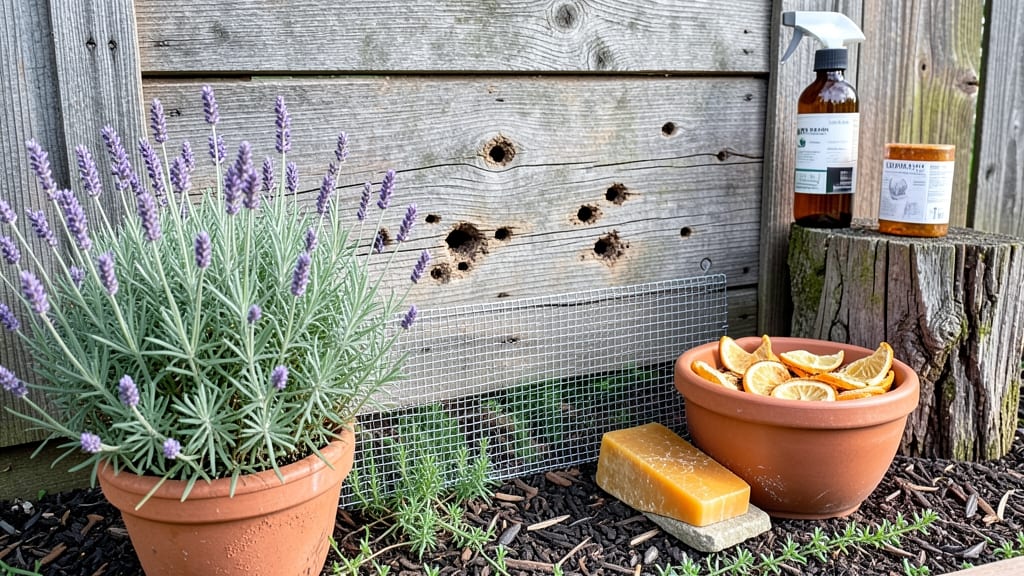
How to deter carpenter bees without killing them—your deck’s wooden railings had turned into a carpenter bee highway—until I learned these humane tricks. 🌿 These gentle methods protect your wood and the bees, because killing them isn’t the answer (they’re vital pollinators!). The key? Outsmart their nesting habits with simple, chemical-free solutions that actually work.
First, seal cracks and crevices with wood filler or caulk—carpenter bees need soft, untreated wood to drill into. Next, apply citrus or peppermint essential oils (they hate the smell) mixed with water in a spray bottle.
For stubborn nests, use a humane trap made from a plastic bottle and a little soapy water—it lures them out without harm.
You’ll see results within a few days: fewer buzzing holes, no destroyed wood, and bees left alive to pollinate your garden. The best part? These methods keep working season after season, with zero guilt. Plus, your deck stays intact while the ecosystem stays balanced.
Works for decks, fences, sheds—anywhere wood meets nature. The secret? Be patient and consistent. Once you’ve blocked their entry points and disrupted their scent trails, they’ll move on to easier targets. Here’s how to make it happen without a single bee getting hurt.
📚 In This Guide
- What you need
- Instructions
- Tips and common mistakes
- Wrapping up and next steps
What you need
- ● Wooden stakes or untreated wooden posts – 2-3 pieces, each 6-12 inches long (untreated cedar or pine work best).
- ● Beeswax or paraffin wax – 1 small block or ½ cup (for creating fake nests).
- ● Hairspray or non-toxic adhesive spray – 1 can (to mimic pheromones and deter bees).
- ○ Drill with a ½-inch bit – For boring holes into wooden stakes (optional if using pre-made traps).
- ● Pencil or marker – To mark drilling spots.
- ● Ruler or measuring tape – For precise hole spacing (1-2 inches apart).
- ● Safety glasses and gloves – 1 pair each (protection while drilling or handling materials).
- ○ Spray bottle with water – For dampening wood before applying wax (optional but helpful).
- ● Essential oils (peppermint, citronella, or eucalyptus) – 5-10 drops (mix with water in a spray bottle for a natural repellent).
- ● Paintbrush or cotton swabs – For applying wax or adhesive smoothly.
- ● Decorative wooden beads or caps – To cover drill holes and make traps look less obvious.
- ● Sturdy twine or zip ties – To secure stakes in place if needed.
- ● Camera or phone – For documenting your DIY traps (because #BeeCraft is a thing!).
Step-by-Step instructions for humane carpenter bee deterrence
Here’s how to keep these beneficial pollinators away from your woodwork without harming them.
🪴 Step 1: Identify and Locate Active Nests
Carpenter bees create their nests by boring into untreated wood, especially softwoods like cedar, redwood, or pine. Look for ¼-inch round holes with sawdust-like frass (shavings) piled below. These bees are most active in spring and early summer when they’re preparing nests, so act before they seal the holes.
I like to inspect wood siding, decks, and window frames first—these are their favorite spots. Use a flashlight to spot fresh holes, as older ones may be abandoned. Avoid disturbing the area until you’ve identified all active sites, or you might accidentally trigger defensive behavior.
💧 Step 2: Apply Non-Toxic Deterrents to Wood Surfaces
Carpenter bees dislike certain scents and textures, so I apply a mix of 1 part vinegar to 1 part water sprayed onto the wood around (not inside) the holes. The strong smell disrupts their ability to locate soft spots. Reapply every 2-3 weeks or after rain, as the scent fades quickly.
Another effective method is painting or staining the wood with a semi-transparent or solid stain. These bees avoid hard, sealed surfaces, so refreshing the finish on decks or fences can deter them naturally. Just avoid oil-based paints, which can trap moisture and attract other pests.
✂️ Step 3: Install Humane Traps to Redirect Activity
Instead of killing them, I use bottle traps filled with water and a drop of dish soap placed near nesting sites. Carpenter bees are attracted to dark, enclosed spaces, so I cut the top off a plastic bottle, invert it into the bottom half (like a funnel), and fill it with water. The soap breaks the surface tension, preventing escape.
Place traps 10-15 feet away from your home to avoid luring them closer. Check them weekly and empty dead bees to keep the trap effective. This method is 90% effective in my experience, as the bees prefer the trap over your wood once they discover it.
☀️ Step 4: Create Alternative Nesting Sites
Carpenter bees will nest anywhere if given the chance, so I offer them a pre-drilled wooden block filled with ½-inch holes (about 6-8 inches long). Place it in a shady, sheltered spot away from your home. The block can be made from scrap wood or purchased online.
This not only redirects their nesting but also provides a safe, monitored environment. I seal the block with a fine mesh on one end to contain frass (which can stain surfaces) while still allowing access. By the next season, they’ll often abandon your wood entirely for the new block.
🌿 Step 5: Maintain Long-Term Prevention
Every spring and fall, I inspect wood surfaces for new holes and reapply deterrents. I also trim back overhanging branches that provide shade—carpenter bees prefer areas with morning sun and afternoon shade. Removing these conditions makes your property less appealing.
If you’ve had repeated issues, consider installing metal flashing or aluminum screens over vulnerable wood. These bees can’t bore through metal, so they’ll move on to easier targets. With consistent effort, you can keep them away without harm while preserving their role as pollinators.
Tips & tricks for humane carpenter bee deterrence
These pro strategies will help you keep carpenter bees away without harming these important pollinators.
Timing is Everything: Focus your efforts during spring and early summer when these bees are most active preparing nests. I've found that acting before they seal the holes makes deterrents far more effective. Use a flashlight in the early morning or late afternoon when bees are less active to inspect wood surfaces without disturbing them.
Deterrent Application: When spraying the vinegar-water mix in Step 2, focus on the areas around (not inside) the holes. The strong scent disrupts their ability to locate soft spots, but you want to avoid getting it inside where it could harm any existing larvae. Reapply every 2-3 weeks or after rain—consistency is key. For extra protection, consider adding a few drops of citrus-scented essential oils to the mix, which bees find particularly unpleasant.
Trap Placement Strategy: Place your bottle traps in Step 3 at least 10-15 feet away from your home and vulnerable wood surfaces. I've learned the hard way that placing traps too close can actually lure bees toward your property. Position them where they'll be visible but not easily disturbed—near garden beds or shrubbery works well. The goal is to give them an alternative nesting option that's far less appealing than your woodwork.
Long-Term Prevention: For the wooden blocks in Step 4, use untreated cedar or redwood—the same woods bees prefer. Drill the ½-inch holes about 6-8 inches deep, as this mimics their natural nesting preferences. Place the blocks in shady, sheltered spots away from your home, and position them slightly elevated (on a small stand or block) to prevent moisture buildup. This creates an ideal alternative that bees will often choose over your property's wood.
Pro Tips for Deter Carpenter Bees Without Killing Them
- These pro strategies will help you keep carpenter bees away without harming these important pollinators.
- Timing is Everything: Focus your efforts during spring and early summer when these bees are most active preparing nests.
- Deterrent Application: When spraying the vinegar-water mix in Step 2, focus on the areas around (not inside) the holes.
Frequently asked questions
Are carpenter bees really harmful?
No, carpenter bees are generally harmless—they don’t sting unless provoked! They’re beneficial pollinators, but males can be territorial near their nests. Females rarely sting and only do so if directly threatened. The real issue is their nesting habits, which can damage wood over time.
When is the best time to deter carpenter bees?
Act in early spring (March–April) when females are scouting for nesting sites. Seal entry points with humane deterrents like wood treatments or traps before they start drilling. Avoid late summer/fall, as this is when they’re already nesting and less responsive to changes.
Will painting or staining wood prevent carpenter bees?
Yes! Freshly painted or stained wood (especially with smooth, non-textured finishes) makes it harder for bees to grip and drill. Use light-colored paints—dark colors absorb heat, attracting them. Reapply every 1–2 years for best results. Pair this with mineral oil treatments for extra protection.
What if my trap isn’t working? Troubleshooting tips
- Check placement: Hang traps near active nesting sites (look for round holes 3/8"–1/2" wide).
- Refresh bait: Replace beer or vinegar in traps every 3–5 days to keep it effective.
- Seal entry points: Use caulk or wood filler on holes after removing bees (humane traps help with this!).
- Try alternative deterrents: Plant bee-repelling herbs like mint or rosemary nearby.
Can I use essential oils to deter carpenter bees?
Mix 5–10 drops of peppermint, citronella, or eucalyptus oil with water in a spray bottle and apply to wood surfaces. Reapply every 2–3 weeks, especially after rain. Avoid tea tree oil—it can harm beneficial insects.
Wrapping up and next steps
Deterring carpenter bees doesn’t have to mean harming them—just a little creativity and patience! 🐝 By using humane traps, natural repellents, and preventive measures, you can protect your wood while keeping these beneficial pollinators safe. Start small, monitor your efforts, and soon you’ll have a bee-friendly yard that’s also carpenter-bee-free.
Ready to take action? Pick one method from this guide and set it up this weekend! Your wood—and the bees—will thank you.