
Companion Plants
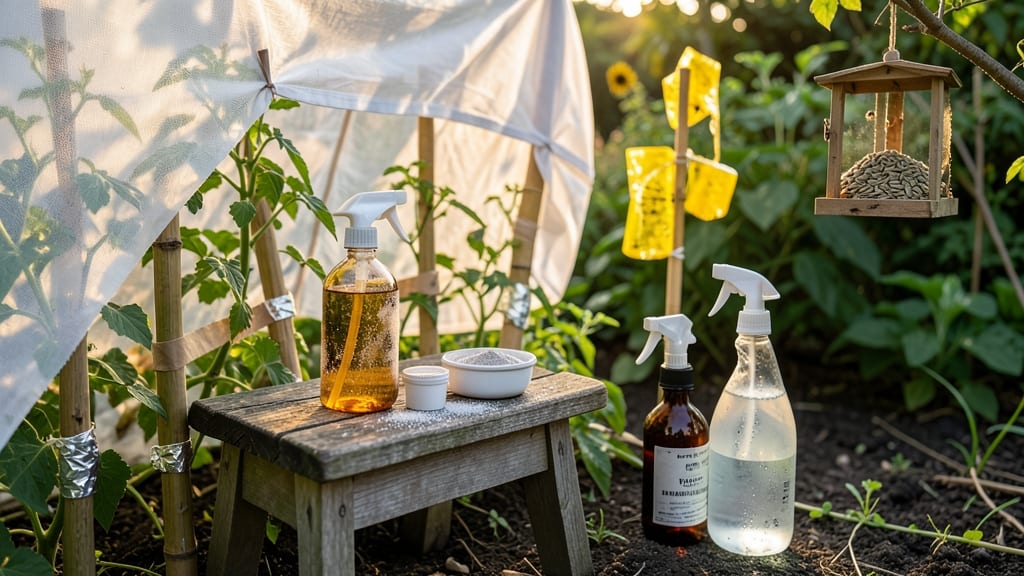
How to deter grasshoppers from plants turned my zucchini into lace—until I discovered these plant-based barriers that actually work without harming my garden’s ecosystem. The secret? Smart companion planting and habitat tweaks that make your garden less appealing than the prairie grass next door. Marigolds, garlic chives, and catnip act like natural repellents, while removing grassy weeds cuts off their food source. No chemicals, no fuss—just plants that outsmart pests. By mid-summer, you’ll see fewer hoppers and more harvest. The key is early intervention: start planting barriers before grasshoppers arrive, and reinforce with physical barriers like row covers for high-risk crops. Works for vegetable gardens, flower beds, and even lawn edges. Here’s how to set up your first line of defense—without losing your sanity trying to catch every jumper.
The Hidden Reasons Grasshoppers Invade
Grasshoppers don’t just randomly munch on your plants—they’re drawn by a mix of environmental cues, plant chemistry, and survival instincts. Understanding these triggers is the first step to outsmarting them. Here’s why they’re crashing your garden party.
Grasshoppers are opportunistic feeders, and they have a preference for plants that are:
- Tender and young: New growth is softer and easier to digest, making it a grasshopper buffet. Example: Seedlings, fresh shoots, and recently pruned plants are high-risk targets.
- High in nitrogen: Nitrogen-rich plants (like corn, alfalfa, or clover) are like fast food for grasshoppers—they pack quick energy. Science note: Grasshoppers can detect nitrogen levels through plant sap, which they sample with their mouthparts before committing to a meal.
- Low in defensive compounds: Some plants naturally produce toxins (like alkaloids or tannins) that deter pests. Grasshoppers avoid these like kale at a steakhouse. Example: Mint, lavender, and citrus are less appealing because their oils irritate grasshopper digestive systems.
Pro tip: 💡 If your garden is a monoculture (e.g., rows of identical corn plants), grasshoppers will see it as an all-you-can-eat buffet. Diversity disrupts their feast—and their radar.
Grasshoppers are cold-blooded, meaning their activity levels skyrocket when temperatures rise. Here’s how climate plays a role:
| Factor | Why It Matters | Grasshopper Reaction |
|---|---|---|
| 🌡️ Temperature | Grasshoppers thrive in 70–90°F (21–32°C) ranges. Below 60°F (15°C), they slow down; above 100°F (38°C), they seek shade. | Peak feeding and mating activity between 10 AM and 4 PM on sunny days. |
| ☀️ Sun Exposure | Sunlight dries out plants, making them more brittle and easier to chew. It also reduces natural pest-repelling compounds in some plants. | Prefers south-facing or open garden beds where plants are fully exposed. |
| 💧 Drought Stress | Water-stressed plants emit volatile organic compounds (VOCs) that signal distress—grasshoppers detect these as a “help yourself” signal. | Targets wilting or yellowing plants first, as they’re easier to consume. |
Actionable insight: ✨ If your garden is in a hot, dry microclimate (like a south-facing slope), grasshoppers will zero in. Mulching or shade cloth can create less inviting conditions.
Grasshoppers are prey animals, and their populations explode when their predators are scarce. Here’s the food chain breakdown:
- Birds (e.g., sparrows, meadowlarks, killdeer): These are grasshopper gourmets. A single bird can eat 50–100 grasshoppers per day. Problem: Urban gardens with few perches or hiding spots see fewer bird visitors.
- Spiders and wasps: Orb-weaver spiders and parasitic wasps (like Tachina flies) lay eggs in grasshopper nymphs, killing them from the inside out. Problem: Pesticides wipe out these beneficial insects.
- Small mammals (e.g., shrews, mice): They snack on grasshopper eggs and nymphs. Problem: Compacted soil or dense mulch can deter them from patrolling your garden.
Warning: 🚨 If you’ve noticed few birds, no spider webs, or a sudden spike in grasshopper numbers, your garden’s predator ecosystem might be out of balance. Solution: Install birdhouses, avoid broad-spectrum pesticides, and add native wildflowers to attract insect allies.
Stressed plants are like open invitations to grasshoppers. Here’s how plant health factors in:
- Competition for resources: Overcrowded plants (e.g., thickly planted lettuce or beans) compete for water and nutrients, making them less resilient to herbivores.
- Disease or pest damage: Plants already weakened by aphids, fungal infections, or root rot are easier targets. Grasshoppers often follow the trail of other pests.
- Poor soil health: Soil lacking mycorrhizal fungi (which help plants absorb nutrients) or beneficial microbes makes plants more susceptible to damage.
Quick fix: 🌱 Thin out overcrowded seedlings, rotate crops annually, and test soil pH to ensure plants are getting what they need to fight back.
Practical Fixes for Grasshopper Damage
Now that you understand why grasshoppers target your plants, it’s time to take action! The good news? You don’t need harsh chemicals to keep these jumpers at bay. Below are effective, plant-based solutions tailored to common causes—plus prevention tips to protect your garden long-term.
Grasshoppers are opportunistic, so making your plants less accessible is key.
🔥 Row Covers & Netting
- How it works: Lightweight fabric (like floating row covers) creates a physical shield while allowing sunlight and water through.
- Best for: Delicate plants (e.g., lettuce, herbs, young seedlings).
- Pro tip: Secure edges with soil or bricks to prevent grasshoppers from tunneling underneath. 🌡️ Use fine mesh (0.6mm or smaller) for best results.
🍳 DIY Collars for Stems
- How it works: Cut plastic or cardboard tubes (6–8 inches tall) and wrap them around stems of vulnerable plants (e.g., tomatoes, peppers).
- Best for: Plants with thick stems that grasshoppers can’t easily chew through.
- Pro tip: Paint the collars white to reflect heat—grasshoppers dislike this! ✨ Reuse old toilet paper rolls for a budget-friendly option.
👨🍳 Mulch as a Deterrent
- How it works: Thick mulch (straw, wood chips, or pine needles) disrupts grasshopper movement and hides eggs.
- Best for: Perennial gardens and ground covers.
- Pro tip: Refresh mulch in early spring to smother overwintering eggs. 💡 Avoid synthetic mulches—they trap heat and attract pests.
Grasshoppers hate strong scents and certain plant textures. Strategically place these natural repellents near your veggies and flowers:
| Plant | Why It Works | Best Pairings |
|---|---|---|
| Garlic & Onions | Sulfur compounds mask plant smells. | Carrots, tomatoes, roses |
| Marigolds | Pyrethrins (natural insecticide) deter jumpers. | Basil, peppers, squash |
| Catnip | Contains nepetalactone, toxic to grasshoppers. | Lavender, herbs |
| Basil | Strong scent confuses their navigation. | Tomatoes, peppers, cucumbers |
| Nasturtiums | Peppery taste deters chewing. | Salad greens, beans |
🔥 Plant these in borders or interspersed rows for maximum effect.
Skip the chemicals with these easy, plant-safe sprays:
🍳 Soap & Water Spray
- Recipe: 1 tbsp mild liquid soap (like Castile) + 1 quart water. Spray directly on grasshoppers (not plants).
- How it works: Disrupts their waxy outer layer, causing dehydration.
- Reapply: Every 3–4 days or after rain.
🔪 Chili Pepper Spray
- Recipe: Blend 2 tbsp cayenne pepper + 1 quart water. Strain and add 1 tsp dish soap.
- How it works: Capsaicin irritates their mouthparts.
- Best for: Large infestations—spray foliage and soil.
🌿 Herbal Infusion
- Recipe: Steep garlic, chives, or mint in hot water for 24 hours. Strain and spray.
- How it works: Overpowers plant scents and repels with aroma.
- Pro tip: Reuse tea bags (like chamomile) for a caffeine-free option—coffee grounds also work! 🌡️
Stop grasshoppers before they start with these low-effort habits:
- 💡 Early Monitoring: Check for eggs in spring (look for small pods in soil). Disturb them with a rake. - 🎯 Diversify Your Garden: Grasshoppers prefer monocultures.
Mix plant types to confuse them. - 🌱 Attract Predators: Invite birds, spiders, and parasitic wasps with: - Bird feeders (mealybugs = grasshopper food). - Dill, fennel, or yarrow (lures predatory insects). - 🌡️ Water Wisely: Deep watering in the morning encourages strong, resilient plants that grasshoppers avoid.
Final Note: Combine 2–3 methods for best results. For example, use row covers + companion planting + weekly sprays for heavy infestations. With patience, your garden will become a grasshopper-free zone! 🚫🦗
Frequently asked questions
Can I use coffee grounds to repel grasshoppers?
Yes! Coffee grounds work as a natural deterrent because grasshoppers dislike the strong scent and texture. Sprinkle used grounds around plant bases or mix them into mulch. Refresh every 2-3 weeks for best results, especially after rain. The caffeine also helps strengthen plants' natural defenses.
Will birdhouses really help reduce grasshoppers?
Birdhouses attract insect-eating birds like sparrows and wrens that feast on grasshoppers. Place them near your garden with perches and water sources. For maximum effect, add native plants like sunflowers or berry bushes that provide both food and shelter. You'll see fewer hoppers within 4-6 weeks of consistent bird activity.
How do I know if grasshoppers are eating my plants or something else?
Look for these telltale signs: jagged edges on leaves (not clean cuts like deer make), chewed stems with frass (tiny black pellets), and plants that appear "skeletonized" from the inside out. Grasshoppers also leave behind small holes in leaves and often target new growth first. Check soil for egg pods in spring.
Are there any plants grasshoppers completely avoid?
While no plant is 100% grasshopper-proof, lavender, rosemary, thyme, and wormwood are their least favorite due to strong aromatic oils. Plant these as borders or interspersed throughout your garden. Even better, combine them with marigolds or catnip for a multi-layered defense system that confuses and repels hoppers.
When is the best time to apply natural sprays for grasshopper control?
Apply sprays in the early morning or late evening when temperatures are below 80°F (27°C) to avoid harming beneficial insects. Focus on the undersides of leaves where grasshoppers hide. Reapply every 5-7 days or after heavy rain. For best results, combine sprays with physical barriers like row covers during peak feeding hours (10 AM-4 PM).