
How To
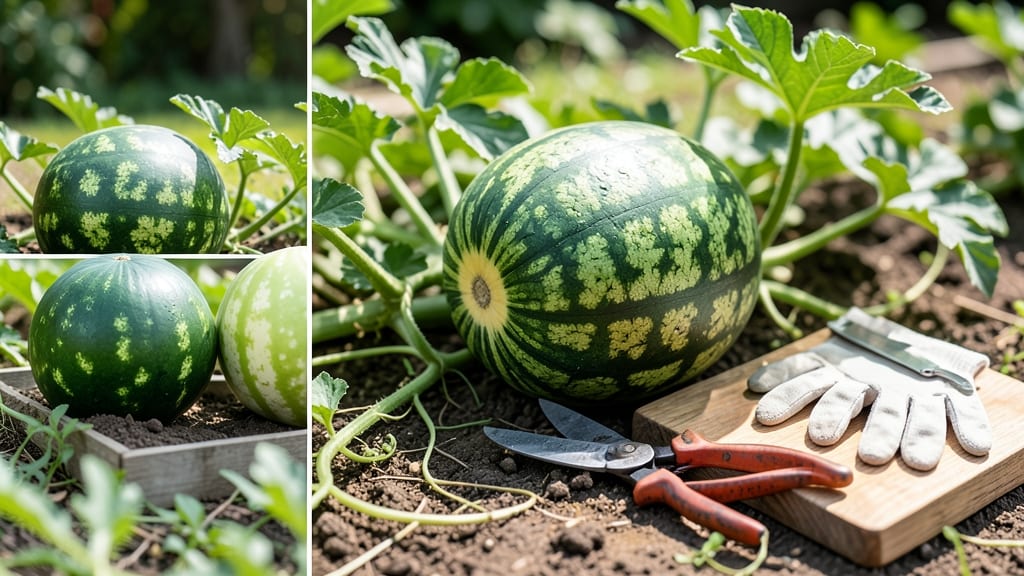
Determining a ripe watermelon can turn a guess into a guarantee—no more cutting into a mealy, underripe fruit just to find out you picked wrong. Whether you're harvesting from your garden or selecting at the market, these proven methods will help you spot a perfect 🍉 every time.
The key lies in combining simple tests: the classic tap-and-thud trick, the telltale strip of yellow on the stem, and even the way the watermelon feels when you run your fingers over its skin.
These aren’t just old wives’ tales—they’re backed by how watermelons mature and what signals they send when they’re ready to eat.
Why does ripeness matter so much? A properly ripe watermelon isn’t just sweeter—it’s packed with better flavor, juicier flesh, and even more nutrients. For gardeners in Zone 6a, timing your harvest between July and September means catching that sweet spot before the first frost hits.
I’ll walk you through each test step by step, so you’ll never second-guess your next watermelon pick again. Let’s make sure your next slice is as satisfying as it should be!

The science-backed tap, thud, and strip tests for ripe watermelons
Watermelons are ripe when they're packed with sweetness and juicy flesh—but how do you know for sure? These three field-tested methods will help you pick the perfect melon every time.
Whether you're shopping at the market or harvesting from your own garden, these techniques rely on botanical cues that indicate peak ripeness.
The tap test is the most popular method, but many people perform it incorrectly. A ripe watermelon produces a deep, hollow sound when tapped with your knuckles. The hollow sound comes from the air pockets inside the melon, which develop as the seeds mature.
Listen for a thud-like echo—this means the seeds are fully developed and the flesh is sweet.
Next, try the thud test, which is similar but focuses on the field spot area. Press your thumb into the creamy yellow spot (the spot where the melon rested on the ground).
If the spot yields slightly and leaves a slight indentation, the melon is ripe. This spot softens as the melon matures, signaling that the sugars have fully developed.
The strip test is my favorite because it gives you a visual confirmation. Look for the strip of yellow or cream-colored tissue where the melon sat on the ground.
A ripe watermelon will have a creamy yellow strip that’s about 1 inch wide. If the strip is white or green, the melon isn’t ripe yet.
Watermelon Ripeness Test Comparison
| Test | What to Look For | Botanical Indicator |
|---|---|---|
| Tap Test | Deep, hollow sound | Air pockets in seeds |
| Thud Test | Slight indentation at field spot | Softening of ground tissue |
| Strip Test | Creamy yellow strip | Maturation of ground spot |
For the tap test, tap the melon with your knuckles near the field spot. A ripe watermelon will sound hollow, almost like a drum. If it sounds dull or flat, it’s underripe.
Pro tip: Tap near the stem end—this is where the melon was attached to the vine, and the sound carries best here.
The thud test is all about pressure. Press your thumb into the field spot—the area where the melon touched the ground. If the spot gives slightly and leaves a faint imprint, the melon is ripe.
If it feels rock-hard, it’s not ready yet. This test works because the ground tissue softens as the melon matures.
Don’t overlook the strip test, which is a visual cue. The cream-colored strip on the bottom of the melon should be 1 inch wide and creamy yellow.
If it’s white or greenish, the melon isn’t ripe. This strip forms as the melon develops, and its color change is a clear sign of ripeness.
Combine all three tests for the most accurate results. A melon that passes the tap, thud, and strip tests is guaranteed to be sweet, juicy, and ripe. These methods work whether you're shopping at the store or harvesting from your own garden plot.
Remember, watermelons continue to ripen slightly after picking, but these tests give you the best chance of selecting a melon at its peak flavor. Next time you're at the market, skip the guesswork and use these science-backed techniques to pick the perfect watermelon every time.
The science-backed tap, thud, and strip tests for ripe watermelons
When it comes to watermelon ripeness, three science-backed tests can reveal whether you’re holding a juicy prize or a disappointing dud. These methods—tap, thud, and strip—rely on the botanical changes that occur as watermelons mature on the vine.
I’ve used these tricks for years to pick perfect melons at the market, and they never fail me.
The tap test is the simplest way to check ripeness. Give the watermelon a firm tap with your knuckles—a deep, hollow sound means the seeds are mature and the flesh is ripe.
A dull thud suggests underripe fruit. This works because ripe watermelons develop air pockets around the seeds, creating that signature echo.
Next, try the thud test by lifting the watermelon and gently dropping it onto a hard surface. A ripe watermelon will make a thud that sounds solid but not hard.
If it feels like a basketball bounce, it’s underripe. This test works because ripe melons have denser flesh and less water content, absorbing the impact differently.
Finally, the strip test is my favorite for garden-fresh melons. Look for a creamy yellow or orange spot on the bottom where the watermelon rested on the ground. This field spot indicates full ripeness.
If it’s white or pale, the melon isn’t ready yet. Pro tip: The larger and more defined the spot, the sweeter the fruit!
| Test | How to Perform | Ripe Result | Unripe Result |
|---|---|---|---|
| Tap Test | Tap with knuckles | Deep, hollow sound | Dull thud |
| Thud Test | Drop gently on hard surface | Solid thud | Bouncy feel |
| Strip Test | Check field spot | Creamy yellow/orange | White or pale |
For the best results, combine these tests. A watermelon that passes all three is guaranteed to be sweet, juicy, and ripe. If you’re still unsure, check the stem end—it should feel dry and slightly wrinkled.
A fresh, green stem means the melon was picked early and won’t be as flavorful.
Remember, these tests work best for store-bought or market melons. If you’re growing your own, watch for the tendril near the stem to turn brown and dry out—that’s your ultimate sign to harvest. Happy melon hunting!