
Flowers
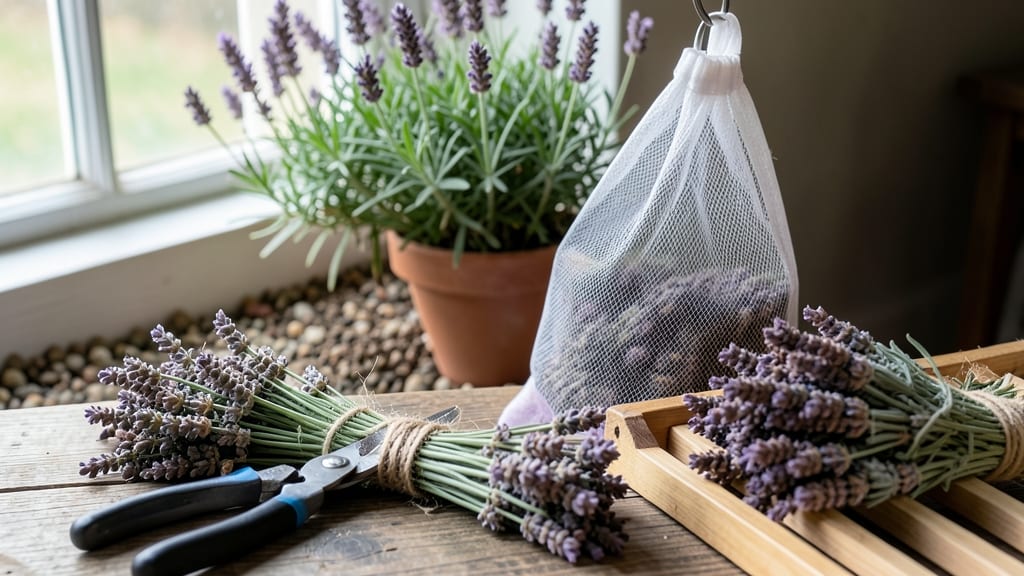
French lavender’s tiny purple pom-poms beg to be dried. ✨ The key is harvesting at peak bloom—when 2/3 of the flowers open but before they brown. This ensures vibrant color and maximum fragrance that’ll last for months in your crafts.
You’ll need only three simple tools: sharp pruning shears, rubber bands, and a dark, dry space. Bundle stems tightly with rubber bands, leaving 6–8 inches of stem exposed.
Hang upside down in a cool, dark, well-ventilated spot—no direct sunlight, which fades the color. In 2–3 weeks, the buds will crumble easily between your fingers.
Once fully dried, the scent becomes richer and more concentrated, perfect for sachets, potpourri, or homemade lavender wreaths. Store in airtight containers away from light to preserve that sun-kissed aroma for up to a year. The dried stems also make stunning dried arrangements that last through winter.
Pro tip: Avoid plastic bags—they trap moisture and ruin your hard work. And if you’re impatient, a dehydrator on low heat (95°F) speeds up drying to just 4–6 hours, though the scent may be slightly less intense.
Either way, you’ll end up with bundles that smell like a Provençal summer.
📚 In This Guide
- What you need
- Instructions
- Tips and common mistakes
- Wrapping up and next steps
What you need
- ● Fresh French lavender stems: Harvest stems that are fully bloomed but not yet wilted (aim for 1–2 feet long). A small bunch (10–15 stems) works for a standard bundle.
- ● Rubber bands or twine: To tie stems into bundles (use thin, natural twine or 1-inch-wide rubber bands for a rustic look).
- ● Drying location: Outdoor option: A shady, well-ventilated spot (e.g., porch, balcony, or under a tree) with no direct sunlight (to avoid bleaching).
- ● Indoor option: A dry, warm area (like a closet or pantry) with good airflow (e.g., near an open window or fan).
- ● Scissors or pruners: For trimming stems to your desired length (clean, sharp tools prevent damage).
- ● Newspaper or cardboard: Place bundles on this to catch fallen petals or debris while drying.
- ● Paper bags: Brown paper bags with holes punched in them can speed up drying by trapping heat and moisture.
- ● Drying rack or mesh screen: Elevates bundles for better airflow (especially useful for large batches).
- ○ Essential oils (optional): A few drops of lavender oil on bundles can enhance fragrance after drying.
Step-by-Step instructions for drying French lavender
Here's how I turn fresh lavender stems into fragrant bundles perfect for sachets and crafts.
🌿 Step 1: Harvest at Peak Freshness
Pick lavender stems on a dry morning after the dew has evaporated but before the sun reaches its peak. Look for buds that are just beginning to open—these will dry most beautifully. I always cut stems to about 12-18 inches long, leaving a few inches of bare stem at the bottom for easier handling.
Harvesting at the right time ensures the flowers retain their color and fragrance during drying. Avoid stems with any signs of wilting or browning, as they'll dry poorly. Bundle stems together with a rubber band or twine, securing them in small groups of 5-7 stems for even drying.
☀️ Step 2: Choose Your Drying Method
French lavender dries best using sunlight and air circulation. I prefer the classic hanging bundle method—tie a bundle to a hook or string in a bright, dry, well-ventilated spot. Avoid direct midday sun, which can bleach the flowers; instead, position them where they receive gentle morning or late afternoon sunlight.
For indoor drying, place bundles in a warm, dry area with good airflow, like a pantry or closet. If humidity is high, use a small fan on low to circulate air around the bundles. You'll know drying is progressing when the stems snap easily and the buds turn a deeper, papery shade.
⏰ Step 3: Monitor and Complete the Drying Process
Check your bundles after 3-5 days. The drying time depends on humidity and airflow—buds should crumble easily when gently rubbed between your fingers. If stems still feel green or bendy, leave them to dry another day or two. Avoid rushing the process; over-drying can make the flowers brittle and lose their scent.
Once fully dry, remove the rubber bands or twine and gently brush off any remaining dust or debris. Store the dried lavender in airtight containers like glass jars or cloth bags, away from direct sunlight. Properly dried lavender will keep its scent and color for up to a year if stored correctly.
🌱 Step 4: Preserve for Crafting and Use
Now that your lavender is perfectly dried, it's ready for crafts. I like to bundle stems into small, tight arrangements for sachets or loose sprigs for potpourri. For a polished look, trim the stems to 6-8 inches and tie them with twine or ribbon. The dried buds will hold their shape beautifully and release their signature fragrance when gently squeezed.
For long-term storage, place bundles in paper bags to allow airflow while keeping out moisture. If you notice any signs of mold or mustiness, discard those bundles immediately—they won't keep well. With this method, you'll have fragrant, ready-to-use lavender for all your projects.
Tips & tricks for perfectly dried French lavender
Here's what nobody tells you about turning fresh lavender into fragrant bundles that'll last for months.
Harvesting Timing: The key to vibrant dried lavender starts with the harvest. I learned this the hard way—waiting until buds are fully open means they'll crumble too easily during drying. Instead, pick when 20-30% of buds are just beginning to open. This stage gives you the perfect balance of color retention and fragrance. Morning harvests yield the most aromatic stems since essential oils peak after dew has evaporated but before midday heat.
Bundle Size Matters: Those 5-7 stem bundles from Step 1 aren't arbitrary—they're the ideal size for even drying. Larger bundles create uneven airflow, leaving damp centers that can develop mold. Smaller bundles dry too quickly, losing their signature lavender scent. For consistent results, always use rubber bands or twine to create tight, uniform bundles where stems touch but don't overlap. This creates micro-climates that preserve that signature purple hue.
Humidity Control: The 3-5 day drying window can stretch dramatically based on humidity. In humid climates, I've seen drying times extend to 7-10 days—that's why I keep a small fan running on low near my drying bundles. The gentle airflow mimics natural breezes and prevents moisture buildup. Pro tip: Place a silica gel packet near your bundles to absorb excess moisture without direct contact, which can dry out the flowers too quickly.
Storage Wisdom: That up to a year storage promise only holds if you follow this trick: After brushing off debris, store dried lavender in glass jars with a bit of rice or lavender stems themselves. The natural oils in the stems act as a moisture barrier, while rice absorbs any residual humidity. I've kept lavender bundles this way for 18 months with no loss of fragrance—just check periodically for any signs of mold or mustiness and discard affected bundles immediately.
Pro Tips for Dry French Lavender
- Here's what nobody tells you about turning fresh lavender into fragrant bundles that'll last for months.
- Harvesting Timing: The key to vibrant dried lavender starts with the harvest.
- Bundle Size Matters: Those 5-7 stem bundles from Step 1 aren't arbitrary—they're the ideal size for even drying.
Frequently asked questions
Got questions about drying French lavender like a pro?
Here are answers to the most common queries to help you achieve perfect, fragrant bundles every time.
How long does it take to dry French lavender?
With the right conditions, French lavender typically dries in 1–3 weeks. Hang bundles upside down in a dry, well-ventilated spot (like a garage or shed) for 7–10 days, then transfer to a cool, dark place for another 1–2 weeks to fully cure. Patience pays off for the best scent and texture!
Can I speed up the drying process?
While you can’t rush drying without risking mold or poor quality, you can optimize conditions for faster results. Use a fan on low or place bundles in a warm, dry area (60–70°F) to speed things up slightly. Avoid heat sources like ovens or hairdryers—they’ll damage the delicate stems and oils.
Is it okay to dry French lavender in the sun?
Direct sunlight can bleach or crisp the flowers, reducing their fragrance and color. Instead, opt for indirect sunlight or shade (like a covered porch or carport). If you must use sunlight, limit exposure to early morning or late afternoon for short periods to preserve vibrancy.
What if my lavender smells weak or moldy?
Weak scent or mold usually means moisture or improper storage. If you spot mold, discard the batch immediately. To prevent this, ensure stems are fully dry before storing in an airtight container with a silica gel packet. For weak scent, try re-drying in a warmer, drier space or storing with a bay leaf to boost aroma.
Can I dry French lavender without hanging it?
Yes! If you’re short on space, try these alternatives:
- Single-layer drying: Lay stems on a screen or mesh tray in a dry, shaded area.
- Paper towels: Wrap stems loosely in towels and place in a single layer to absorb moisture.
- Food dehydrator: Set to 95°F (35°C) for 2–4 hours (monitor closely to avoid overheating).
Wrapping up and next steps
Drying French lavender is a simple yet rewarding process that unlocks its fragrant magic for sachets, potpourri, or homemade crafts! 🌿 With just a few tools and patience, you’ll transform fresh stems into long-lasting, aromatic bundles.
Whether you’re a beginner or a seasoned crafter, your dried lavender is just a sunny day away—so gather your harvest and get started!
Ready to elevate your space? Next, explore creative ways to use your dried lavender, like crafting coasters, wreaths, or even lavender-infused oils. Happy drying! ✨