
How To
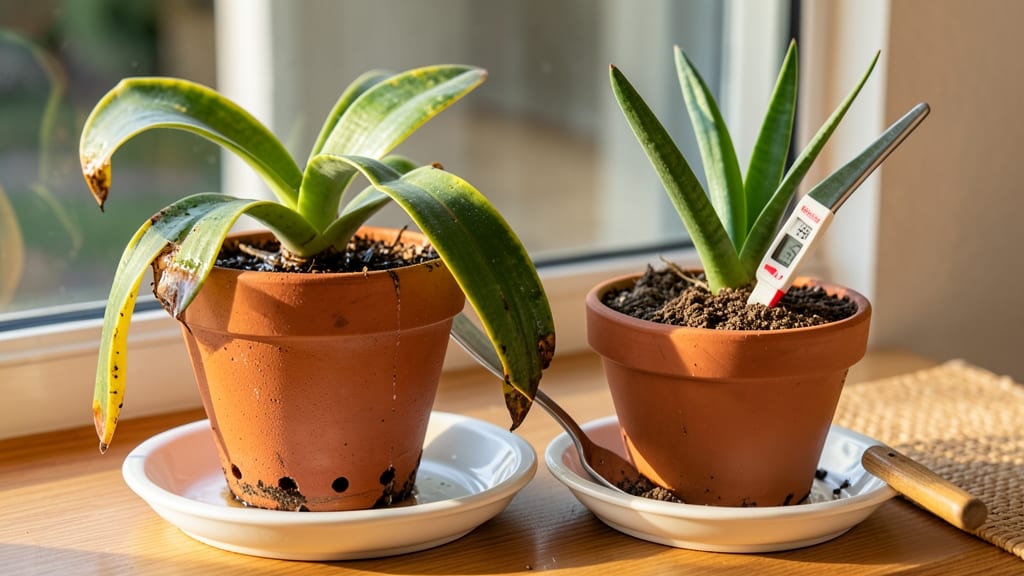
How to dry out a plant that has been overwatered isn’t as complicated as it sounds—it’s just about giving your struggling green friend a second chance. 🌱 I’ve nursed back more plants than I’d like to admit, and the secret starts with stopping water immediately. Overwatered roots suffocate, turning crisp soil into a swampy mess that chokes plants from the inside out.
The fix is simple but requires patience: repot into fresh, dry soil with perfect drainage, trim any mushy roots with clean scissors, and let the plant sit in bright, indirect light while you wait.
Most plants bounce back within 2-4 weeks if you catch it early—no fancy tools, just observation and gentle care.
You'll know revival is working when new growth appears and leaves perk up. The key is consistency: adjust your watering schedule to once every 7-10 days (or less) and always check soil moisture before watering again. Trust me, your plants will thank you.
This works for houseplants, herbs, and even small vegetables—just adapt the pot size and drainage needs. The first step is always stopping the damage, and from there, it's all about giving roots a chance to breathe.
📚 In This Guide
- What you need
- Instructions
- Tips and common mistakes
- Wrapping up and next steps
What you need
- ● Well-draining potting mix (2–3 cups, depending on pot size) – Opt for a blend with perlite, vermiculite, or coconut coir for aeration.
- ● Clean, sharp scissors or pruning shears – For trimming soggy or yellowed leaves (sterilize with rubbing alcohol if possible).
- ● A small hand trowel or spoon – To gently loosen compacted soil without damaging roots.
- ● A clean container or tray – For repotting (slightly larger than the current pot if needed).
- ● Paper towels or a clean cloth – To blot excess moisture from roots or soil.
- ● A spray bottle with water (or a watering can with a fine rose) – For light misting (avoid drowning!).
- ○ A humidity dome or plastic bag (optional but helpful for tropical plants) – To retain moisture while roots recover.
- ● Hydrogen peroxide (3%) – Dilute 1 part H₂O₂ to 10 parts water to disinfect roots and boost oxygen uptake.
- ● Rooting hormone – If your plant has severe root rot and needs extra support to regrow.
- ● A moisture meter – To track soil dryness and avoid future overwatering.
- ● Peat moss or orchid bark – For amending heavy soil if repotting long-term.
- ● A sunny windowsill or grow light – To provide indirect light during recovery (low-light plants may need shade).
Step-by-Step instructions for reviving an overwatered plant
Here’s my go-to method for drying out soggy roots without shocking the plant further.
💧 Step 1: Stop Watering and Remove the Plant from Its Current Pot
First, halt all watering immediately—no more drops until the soil dries out. Gently slide the plant from its pot to inspect the roots. Healthy roots should be firm and white, but overwatered roots turn mushy, gray, or smell foul. If you see black or slimy roots, those need trimming with clean scissors.
Don’t shake off excess soil yet. Instead, let it stay attached for now—this protects fragile roots from further damage. Place the plant in a dry, shaded spot while you assess the damage. Real talk: if the roots are already rotting, you’ll need to act fast to save the plant.
✂️ Step 2: Trim Damaged Roots and Repot in Fresh, Dry Soil
Using sterilized scissors or pruners, snip away any black, mushy, or soft roots. Healthy roots should snap cleanly when bent, while damaged ones will crumble. After trimming, let the remaining roots air-dry for 10-15 minutes—this helps prevent further rot.
Fill a clean pot (same size or slightly smaller) with dry, well-draining potting mix. I like to mix in perlite or sand for extra drainage. Place the plant in the pot and fill gaps with fresh soil, pressing lightly to secure it. The goal is to create space for airflow around the roots—no compacting here.
☀️ Step 3: Provide Bright, Indirect Light and Monitor Soil Dryness
Move the plant to a spot with bright, indirect light—direct sun can stress it further while it recovers. Avoid drafts or temperature swings, which slow healing. You’ll know it’s recovering when new growth appears in 2-4 weeks, but don’t rush it.
Wait 3-5 days before watering, then check the soil daily. Only water when the top 1-2 inches feel completely dry to the touch. Use a moisture meter if you’re unsure—overwatering again is the fastest way to kill a plant at this stage.
🌱 Step 4: Adjust Watering Habits to Prevent Future Overwatering
Once the plant shows signs of recovery (new leaves or firmer stems), switch to a strict watering schedule. Stick your finger 1 inch deep into the soil—if it’s dry, water thoroughly; if damp, wait another day. Most houseplants thrive on watering every 7-10 days, but adjust based on your home’s humidity.
Here’s the thing—overwatering often comes from pots without drainage or soil that holds too much moisture. If your plant’s container lacks holes, upgrade it. And if you’re unsure, underwater slightly—plants bounce back faster from dryness than soggy roots.
Tips & tricks for reviving overwatered plants
Between us, saving an overwatered plant isn't just about drying out roots—it's about giving it the right conditions to heal. Here's what I've learned after helping dozens of soggy plants make comebacks.
The Air-Dry Trick: After trimming those damaged roots in Step 2, don't rush to repot immediately. That 10-15 minute air-dry period is crucial—it helps prevent any remaining moisture from causing further rot. I've seen plants recover faster when we let those roots breathe before touching fresh soil. Pro tip: Place them on a paper towel to absorb any excess moisture during this time.
Soil Selection Matters: Not all potting mixes are created equal when reviving plants. The instructions mention well-draining mix with perlite or sand, but here's what nobody tells you—some plants need even more aeration. For tropical plants like ferns or calatheas, consider adding 20-30% orchid bark to your mix for extra airflow. This creates pockets that help wick away excess moisture while still holding enough water for recovery.
Lighting Insight: That bright, indirect light in Step 3 isn't just about photosynthesis—it's about signaling the plant it's safe to start growing again. I've noticed plants recover faster when placed near an east-facing window where they get morning sun but gentle afternoon light. If you only have south-facing windows, use a sheer curtain to diffuse the intensity during peak hours.
Root Recovery Timeline: The 3-5 day wait before watering can feel agonizing, but trust me on this. I've watched plants where we broke this rule and saw new rot develop within days. Use this time to observe: if the soil feels cool to the touch at 1 inch depth, you're not ready yet. Think of it like physical therapy for your plant—rushing the process can set back recovery by weeks.
Pro Tips for Dry Out A Plant That Has Been Overwatered
- Between us, saving an overwatered plant isn't just about drying out roots—it's about giving it the right conditions to heal.
- The Air-Dry Trick: After trimming those damaged roots in Step 2, don't rush to repot immediately.
- Soil Selection Matters: Not all potting mixes are created equal when reviving plants.
Frequently asked questions
Got questions about reviving your soggy plant? You’re not alone!
Here are the most common concerns—and expert-friendly answers—to help you dry out overwatered plants with confidence.
How long does it take to dry out an overwatered plant?
Most plants show improvement within 3–7 days of proper drying, but recovery depends on the plant type and root damage. Succulents and cacti bounce back fastest (often in 3–5 days), while tropicals like ferns may need 2–4 weeks. Monitor soil moisture daily—if it stays damp after 48 hours, keep the plant out of water longer.
What if my plant’s leaves are mushy and falling off?
Mushy leaves signal severe root rot, but don’t panic! Trim affected leaves with sterilized scissors, then focus on drying the roots. If the stems are soft or black, the plant may not recover—start fresh with a cutting or propagate healthy stems. Pro tip: Use a hydrogen peroxide soak (1:10 ratio) for 10 minutes to disinfect roots before replanting.
Can I speed up the drying process?
Yes! Boost airflow with a fan on low (aimed at the plant, not directly blowing), or move it to a bright, indirect-light spot (avoid harsh sun). For potted plants, swap the pot for one with drainage holes and line it with gravel or perlite to prevent future sogginess. Warning: Never skip the drying phase—rushing can stress roots further.
Should I fertilize my plant after overwatering?
No!
Fertilizer burns already-stressed roots. Wait until your plant shows new growth (usually 2–4 weeks) and the soil is bone-dry before applying a diluted, balanced fertilizer (half-strength). Stick to organic options like worm castings or fish emulsion—they’re gentler on recovering plants.
What if my plant keeps getting overwatered?
Overwatering often stems from poor habits or the wrong setup. Fix it by:
- Testing soil moisture with your finger (stick it in 1–2 inches deep—if damp, wait).
- Choosing the right pot: Terracotta dries faster than plastic.
- Adjusting your watering schedule: Most plants need water only when the top 50% of soil is dry.
- Using a moisture meter for precision (great for forgetful plant parents!).
Wrapping up and next steps
Reviving an overwatered plant is totally doable—you’ve got this! 🌱 By following these steps, you’re giving your green friend a fighting chance to bounce back with healthy roots and vibrant growth.
Start by assessing the damage, then take action with confidence: trim, repot, and adjust your care routine to prevent future stress.
Now that you’re equipped with the know-how, check your plant’s progress daily and celebrate small wins! Next, dive into tailoring a long-term care plan to keep your plant thriving—because happy plants mean happy gardening! 🎉