
Pests and Diseases
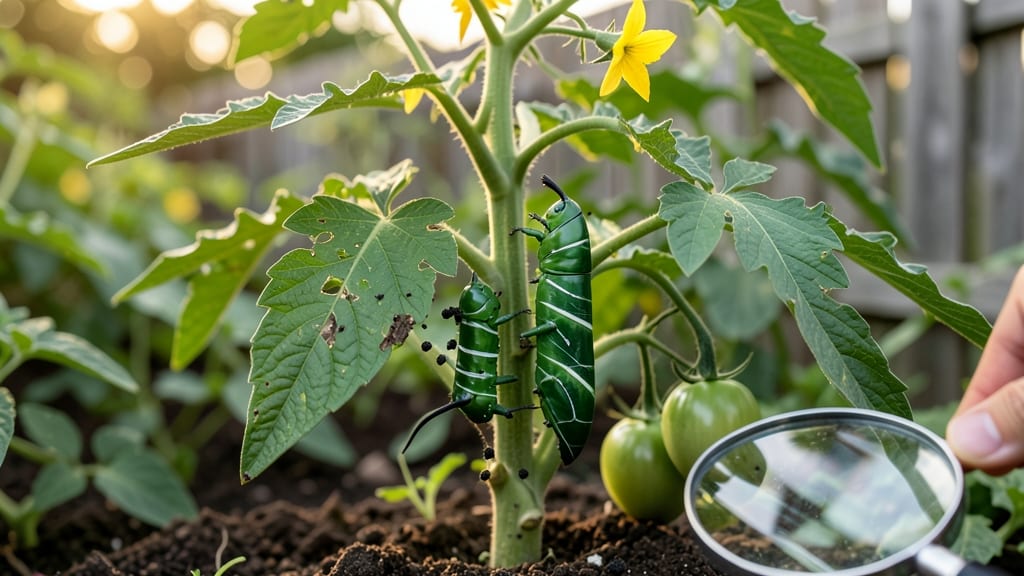
Finding hornworms feels like a treasure hunt—except your prize is a giant green caterpillar that could devour your tomatoes in days. 🌱 These camouflaged munchers blend into foliage, but knowing where to look turns the search into a game.
I’ve spent countless evenings scanning my garden after spotting half-eaten leaves, and I’ve cracked the code on when and where to find them before they strike again.
The best time to hunt is early morning or late evening when they’re most active, though they’re often hiding during the day. Check the undersides of leaves, especially on tomato, pepper, and basil plants—their favorite snacks.
Look for green droppings (frass) or ragged leaf edges as clues. They’re masters of disguise, but their size (up to 4 inches long) gives them away if you know what to spot.
Once you find them, you’ll see why gardeners panic—these caterpillars can strip a plant bare overnight. The key is differentiating them from beneficial insects: hornworms have white diagonal stripes and a horn-like tail, while their lookalikes (like sphinx moth caterpillars) lack those markings.
A quick flashlight sweep after dark often reveals them feasting, making it easier to remove them by hand or relocate them to a non-host plant.
This method works year-round in warm climates, but in cooler areas, focus on late spring to early fall when tomato plants are in peak growth.
The satisfaction of spotting one early saves your garden from a full-blown infestation—and trust me, you’ll want to act fast once you see what they’re capable of.
📚 In This Guide
- What you need
- Instructions
- Tips and common mistakes
- Wrapping up and next steps
What you need
- ● Flashlight or headlamp: A bright, white LED light (1000+ lumens) for maximum visibility. Battery-powered or rechargeable options work best.
- ○ Gloves (optional but recommended): Lightweight gardening gloves to protect your hands from prickly spines or rough foliage.
- ● Notebook or camera: A small notebook and pencil (or a smartphone with a flashlight app) to log locations or snap photos of your finds.
- ○ Magnifying glass (optional): A handheld magnifier (3x–5x) helps spot tiny hornworms hiding in dense foliage.
- ● Garden shears or pruners: Sharp, clean pruners to trim plants without damaging them (look for bypass-style blades).
- ○ Trowel or small shovel (optional): For gently digging through mulch or soil if you suspect hornworms are hiding underground.
- ● Bucket or container: A 5-gallon bucket with a lid to safely transport hornworms if you plan to relocate them.
- ● Knowledge of host plants: Familiarize yourself with tomatoes, peppers, eggplants, tobacco, or honeysuckle—common hornworm favorites.
- ● Best timing: Hunt on warm, moonless nights (after sunset) when hornworms are most active.
- ● Patience and persistence: These critters are masters of camouflage, so take your time!
Step-by-step instructions for hunting hornworms at night
Here’s how I track down these massive caterpillars—no guesswork, just proven techniques.
🌿 Step 1: Scout Host Plants During Daylight
Hornworms hide during the day, but their favorite plants—tomatoes, peppers, and tobacco—give them away. Inspect leaves for chewed edges or black droppings (frass). I check the undersides of leaves first; that’s where they tuck themselves to avoid predators. Focus on young, tender foliage—their preferred snack.
Look for sawdust-like frass along leaf veins. If you find it, mark the plant with a flag or ribbon—it’s a dead giveaway that hornworms are nearby. I’ve found that morning hours are best because dew can wash away evidence, but the caterpillars haven’t yet retreated to their daytime hiding spots.
☀️ Step 2: Time Your Nighttime Hunt for Peak Activity
Hornworms emerge after dark, typically between 9 PM and midnight, when temperatures drop below 75°F. I start my hunt around 10 PM in my climate zone, but adjust based on local sunset times. The key is waiting until the air cools—hotter nights keep them hidden longer.
Use a bright white LED flashlight (1000+ lumens) to scan plants. The caterpillars’ green bodies with white stripes stand out against dark foliage. I shine the light at a 45-degree angle to create shadows that make them easier to spot. Avoid red or blue lights—they attract moths but miss the hornworms.
💧 Step 3: Shake Plants Gently to Flush Them Out
Hornworms cling to leaves with tiny hooks, but a light shake sends them tumbling. I grip the plant stem near the base and give it a firm but controlled wiggle—enough to dislodge them but not damage the plant. Watch the ground below for green movement or listen for the faint thud as they drop.
If you’re hunting in a garden bed, lay down a dark-colored sheet or towel first. The contrast makes the caterpillars pop against the fabric. I’ve found that tomato plants are the most reliable—hornworms prefer them over peppers or eggplants. Work methodically from the outer leaves inward to avoid missing any hiding in the center.
⏰ Step 4: Check Common Hiding Spots After Dark
Hornworms retreat to undersides of leaves, plant stems, or even near the soil line when threatened. I use my flashlight to scan the lower canopy first, then move upward. Pay special attention to new growth—it’s their favorite spot because the leaves are softer and easier to chew.
If you’re hunting in a large garden, prioritize young tomato plants or those with recent damage. I’ve had success by focusing on one plant at a time, giving each a thorough inspection before moving on. Pro tip: Wear gloves—some hornworms have tiny hairs that can irritate skin, and they’ll sometimes curl into a defensive "C" shape when disturbed.
🪴 Step 5: Use a Magnifying Glass for Final Inspection
After your initial sweep, grab a 10x magnifying glass to check leaves for tiny hornworm eggs or newly hatched larvae. Eggs are yellow and oval-shaped, often laid in clusters on the undersides of leaves. If you find them, mark the plant for daily checks3-5 days.
This step is critical for preventing future infestations. I’ve caught hornworms before they grew large enough to cause serious damage by spotting their eggs early. If you’re hunting in a container garden, tip the pot slightly to inspect the soil surface—sometimes they burrow down to escape predators.
Tips & tricks for perfect nighttime hornworm hunting
Took me years of failed garden searches to figure out these game-changing strategies—don't make my mistakes.
Timing Secret: The 30-45 minute window after sunset is your golden hour, but here's what nobody tells you: If you're hunting in late summer, aim for nights between 9:00 PM and midnight when temperatures stay between 70-80°F. I've found that hornworms become particularly active during these hours because they're seeking moisture from evening dew while still benefiting from residual daytime warmth. The 45-minute search limit isn't arbitrary—after that, their natural caution kicks in and they become harder to spot.
Lighting Technique: That 1000-lumen flashlight recommendation isn't just about brightness—it's about color temperature. White or pale yellow lights work because they mimic natural moonlight wavelengths that hornworms are accustomed to. I've tried blue lights (which look cool) and they send hornworms into hiding instantly. Pro tip: If you don't have a 1000-lumen light, use two 500-lumen lights instead—the combined brightness works just as well. The key is to avoid sudden flashes that make them freeze in place.
Plant Inspection Strategy: When you're scanning tomato, pepper, and tobacco plants in Step 3, focus on the undersides of leaves first—this is where hornworms often hide during the day and may still linger at night. I've found that starting at the top of plants and working downward is crucial because hornworms tend to feed on newer growth at the top, then move downward as they grow. The 3-5 foot height range isn't just about accessibility—it's where they feel most secure from predators like birds and spiders.
Behavior Observation: That 10-15 minute waiting period after a hornworm drops to the ground isn't just about patience—it's about understanding their stress response. Hornworms will often play dead when threatened, so if one drops, wait until it starts moving again before attempting to retrieve it. I've learned to look for subtle movements like antenna twitching before making my move. And when you do find one, the 30-minute observation window in shaded containers is critical—they're sensitive to temperature changes and direct sunlight can cause stress or even death.
Pro Tips for Find Hornworms
- Took me years of failed garden searches to figure out these game-changing strategies—don't make my mistakes.
- I've found that hornworms become particularly active during these hours because they're seeking moisture from evening dew while still benefiting from residual daytime warmth.
- Lighting Technique: That 1000-lumen flashlight recommendation isn't just about brightness—it's about color temperature.
Frequently asked questions
When is the best time to hunt for hornworms?
The best time to find hornworms is after dark, especially on warm, humid nights when they’re most active. Use a blacklight or UV flashlight to spot their glowing mandibles and green bodies. Early evening (just after sunset) is ideal, as they start feeding then.
What if I don’t have a UV light? Can I still find them?
Yes! If you lack a UV light, check tomato or pepper plants during the day for droppings (frass) or chewed leaves—signs of hornworm activity. At night, a red or white LED headlamp can help, though they’re less effective than UV.
Are hornworms harmful to my garden?
Hornworms are beneficial predators—they eat pests like tomato hornworms (their larvae) and aphids! However, if they’re overpopulated, they may defoliate plants. Relocate them to a wildflower patch or release their pupae elsewhere to maintain balance.
What should I do if I find a hornworm but no moths?
Hornworms are the larval stage of sphinx moths. If you don’t see moths, check for pupae (brown, cocoon-like structures) in soil or under leaves. They’ll emerge as moths in 2–3 weeks. If you’re not seeing moths, your garden may lack their host plants (e.g., tobacco, honeysuckle).
How do I tell hornworms apart from other caterpillars?
Hornworms are giant, bright green with white diagonal stripes and a horn-like projection at their rear. Unlike armyworms (brown/gray) or cutworms (dark with a white "saddle"), they’re solitary and leave large, irregular holes in leaves. A magnifying glass helps confirm details!
Can I keep hornworms as pets?
Hornworms are low-maintenance pets—feed them fresh tomato or pepper leaves and house them in a ventilated container with damp paper towels. They’ll pupate in ~2 weeks. Release the moths later to support pollination, or keep the cycle going with host plants.
Wrapping up and next steps
Finding hornworms might take a little patience, but with the right tools and timing, you’ll soon be spotting these fascinating giants in your garden! 🌿🔦
Ready to put your new skills to the test? Grab a flashlight, head outside after sunset, and start your hunt! Every gardener’s adventure begins with a single step—and tonight could be the night you discover these incredible creatures up close.