
How To
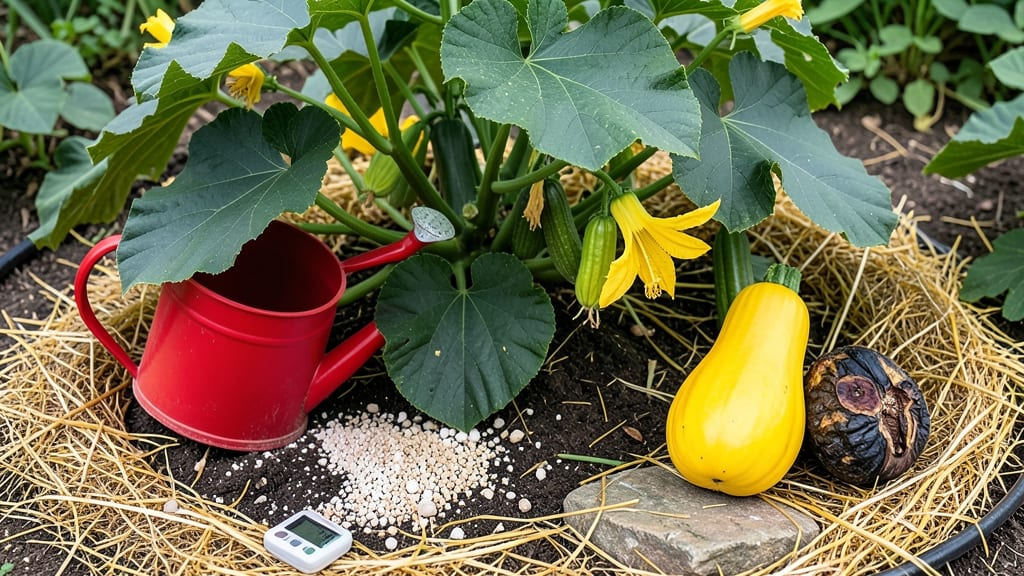
Your squash is cracked, leathery, and ruined—blossom end rot strikes fast. 🌱 I’ve seen this destroy harvests, but the fix is simpler than you’d think: a calcium boost and consistent care. The good news? You can prevent future rot with just a few tweaks to your soil and watering routine.
Most gardeners assume it’s a watering issue, but it’s actually a calcium deficiency—often caused by uneven moisture or soil pH problems. My first fix? A crushed eggshell tea spray or gypsum worked in my garden within days.
The key is keeping soil evenly moist and adding organic matter to improve calcium uptake.
Once you spot the first signs—those dark, sunken patches—act fast. Prune affected fruit immediately to save the plant’s energy. With the right amendments, your next harvest will be smooth, firm, and crack-free.
The same fixes work for tomatoes and peppers too, so this is a game-changer for your whole garden.
No more wasted squash—just healthy, productive vines. Let’s get those plants back on track before the next harvest rolls around.
Root Causes of Squash Rot
Blossom end rot on squash isn’t just a random blight—it’s a calcium deficiency with roots in how your plants absorb and distribute nutrients. Understanding these causes is the first step to preventing future damage. Let’s break down the science behind why your squash develops those unsightly, sunken brown patches.
Squash plants need calcium (Ca) to build strong cell walls, especially in rapidly growing fruits. But calcium behaves differently than other nutrients—it’s immobile in the plant. That means once it’s used in older leaves or stems, it can’t be redistributed to new growth (like blossom ends). Here’s why uptake fails:
- Poor soil calcium levels: If your soil lacks calcium, your plants simply don’t have enough to go around. Test your soil—ideal levels for squash are 1,000–2,000 ppm calcium (or a calcium-to-magnesium ratio of 5:1 or higher). Sandy or acidic soils (pH below 6.0) leach calcium away faster.
- Competition with other nutrients: Excess potassium (K) or magnesium (Mg) can block calcium absorption. For example, over-fertilizing with banana peels (high in K) or Epsom salt (high in Mg) may starve your squash of Ca without you realizing it.
- Root zone restrictions: Compacted soil or shallow root systems (common in container-grown squash) limit the plant’s ability to forage for calcium. Roots need oxygen and moisture balance—too wet or too dry, and they struggle to take up nutrients efficiently.
Pro Tip: 💡 Calcium moves through the plant via water. If your soil is dry, roots can’t absorb calcium even if it’s present. Keep soil consistently moist (but not soggy) during fruiting.
Calcium is water-soluble, meaning it dissolves in soil moisture before roots can absorb it. Erratic watering creates a double whammy:
- Drought followed by sudden watering: When soil dries out, calcium moves downward with the water, leaving the topsoil (where roots feed) depleted. Then, when you water heavily, the sudden influx can dilute calcium availability in the root zone.
- Inconsistent moisture levels: Squash fruits grow fastest in warm weather, demanding more calcium. If you’re watering sporadically (e.g., deep soaks once a week), the plant can’t keep up with demand, leading to calcium deficiency in new growth.
Key Insight: 🌡️ Blossom end rot often appears 5–7 days after a watering mishap. That’s how long it takes for the calcium deficit to show up as rot.
Heat and cold both disrupt calcium uptake, but in different ways:
| Issue | Why It Happens | Actionable Fix |
|---|---|---|
| Hot weather (>90°F) | High temperatures increase transpiration (water loss through leaves), but roots can’t absorb calcium fast enough to replenish it. The plant prioritizes cooling itself over nutrient uptake. | Use mulch (straw or grass clippings) to keep roots cool. Water deeply in the early morning or evening to reduce stress. |
| Cold soil (<50°F) | Cold roots slow down metabolism, reducing their ability to absorb calcium. Even if calcium is in the soil, the plant can’t access it. | Plant squash in warmer microclimates (e.g., near black plastic mulch or in raised beds). Avoid planting until soil temps reach 60°F+. |
Pro Tip: ✨ Container-grown squash are especially vulnerable because pots heat up faster and dry out quicker. Use self-watering containers or bury pots halfway in the ground to stabilize temps.
Too much nitrogen (N) (the first number in NPK) fuels leafy growth at the expense of fruit development. Here’s the catch:
- Nitrogen-heavy fertilizers (like fresh manure or high-N synthetics) push the plant to grow vines and leaves instead of allocating resources to fruits.
- Rapid vine growth creates a higher demand for calcium, but the plant’s root system isn’t keeping pace. The blossom ends—the youngest, fastest-growing parts—get starved first.
Signs of Over-Nitrogen:
- Lush green leaves but few flowers/fruits.
- Stems grow long and weak (prone to lodging).
- Leaves yellow between veins (classic N burn).
Fix It: Shift to a balanced fertilizer (e.g., 5-10-10 or 3-4-6) and side-dress with compost or bone meal (high in phosphorus and calcium) when flowers appear.
Now that you know why blossom end rot strikes, the next step is how to prevent it—starting with a calcium boost that keeps your squash blemish-free. 🚀
Quick Fixes for Blossom End Rot
Blossom end rot might seem like a lost cause, but with the right steps, you can revive your squash—and even prevent future outbreaks. Below, we’ve mapped out practical, science-backed solutions tailored to the root causes (pun intended!).
Whether your plants are struggling from calcium deficiency, inconsistent watering, or poor soil health, these fixes will help your squash bounce back.
Blossom end rot is 90% calcium-related, so addressing this is your top priority.
🍳 Step 1: Apply Calcium-Rich Amendments Immediately
Squash needs quick-access calcium to heal damaged tissue. Try these fast-acting methods: - Crushed eggshells: Rinse and dry eggshells, then grind into a fine powder. Sprinkle 1–2 tablespoons per plant around the base (not touching the stem).
Water lightly to activate. - Calcium nitrate or gypsum: Mix 1 tablespoon of gypsum (calcium sulfate) into the soil near the roots, or dissolve 1 teaspoon of calcium nitrate in a gallon of water and pour it around the base. - Lime (for acidic soil): If your soil pH is below 6.0, add pelletized lime (follow package rates) to raise pH and improve calcium uptake.
> ⚠️ Pro Tip: Avoid too much lime at once—it can lock out other nutrients. Test soil pH first (ideal range: 6.0–7.0 for squash).
👨🍳 Step 2: Use Foliar Sprays for Fast Absorption
Plants absorb calcium through leaves 10x faster than through roots.
Mix: - 1 tablespoon baking soda + 1 teaspoon liquid soap in a gallon of water. - Spray lightly on leaves (avoid direct sun) every 3–4 days until new growth appears.
> 💡 Quick Fix: For severe rot, snip off the damaged blossom end (sterilize scissors with rubbing alcohol) and let the squash grow around it. The plant may still produce edible fruit!
Fluctuating moisture levels stress plants and worsen rot. Here’s how to stabilize watering:
💧 Step 3: Mulch to Lock in Moisture
- Spread 2–3 inches of straw, grass clippings, or shredded leaves around plants (keep mulch 2 inches away from stems to prevent rot).
- Mulch retains soil moisture, reduces evaporation, and keeps roots cool.
⏰ Step 4: Water Deeply & Early
- Water in the morning (before 10 AM) to allow foliage to dry by night.
- Use drip irrigation or soaker hoses to deliver water slowly at the base (avoid wetting leaves, which spreads disease).
- Aim for 1–1.5 inches of water per week (including rain).
Let the top 1–2 inches of soil dry between waterings.
> 🌡️ Heatwave Hack: If temps exceed 90°F (32°C), water twice daily (early morning + late evening) to prevent stress.
Poor soil drains nutrients and worsens rot. Give your squash a nutrient boost:
🌱 Step 5: Feed with Balanced Fertilizer
- Use a low-nitrogen, high-calcium fertilizer (like 5-10-10 or 3-4-6) every 2–3 weeks during fruiting.
- Compost tea: Brew 1 part compost + 5 parts water for 24 hours, strain, and water plants with it.
Rich in microbes that help calcium uptake.
🌿 Step 6: Rotate Crops & Improve Soil Structure
- Avoid planting squash in the same spot for 3+ years (rotates pests/diseases).
- Amend soil with aged compost or worm castings to improve drainage and nutrient availability.
> ✨ Prevention Bonus: Plant calcium-rich companions like beans, peas, or marigolds nearby—they naturally boost soil calcium over time.
| Task | When | How Often |
|---|---|---|
| Check soil moisture | Morning | Daily (finger test) |
| Apply eggshell powder | After watering | Every 2 weeks |
| Foliar calcium spray | Early morning | 3x/week (if rot appears) |
| Mulch refresh | After heavy rain | Monthly |
| Fertilize | At planting + fruiting | Every 3 weeks |
Final Thought: Blossom end rot is manageable—but the key is acting fast and preventing future stress. Start with calcium fixes, then lock in consistent watering and soil health. Your squash will thank you with plump, crack-free fruits in no time! 🎉
Frequently asked questions about fixing blossom end rot on squash
Can I still eat squash with blossom end rot?
Yes, but only after removing the affected area. Cut out the rotten spot and 1 inch of healthy tissue around it. The rest of the squash is safe to eat—just discard the damaged portion. For severe cases, check for soft spots or foul odors before cooking.
How quickly will my squash recover after treatment?
With proper calcium amendments and consistent watering, you may see improvement in 5–7 days. New growth should appear within 2–3 weeks. The key is acting fast—once rot sets in, the plant can't fully "heal" the damaged fruit, but it can produce new, healthy ones.
Will crushed eggshells really help my squash?
Eggshells are a natural calcium source that breaks down slowly. Grind them into a fine powder and mix into the soil or make a tea by soaking shells in water for 24 hours. Use this tea to water your plants. Just ensure they're thoroughly rinsed and dried first to prevent mold.
Can I use the same fixes for tomatoes and peppers too?
Yes! Blossom end rot affects all cucurbits (squash, zucchini, cucumbers) and nightshades (tomatoes, peppers). The same calcium boost and watering techniques work for all these plants. Just adjust the fertilizer amounts based on plant size—tomatoes need more potassium, while squash benefit from slightly higher calcium.
What if my squash plants keep getting rot even after treatment?
Persistent rot often means underlying soil issues. Test your soil pH (6.0–7.0 is ideal) and consider adding gypsum or compost to improve structure. Also check for nutrient imbalances—too much nitrogen or potassium can block calcium uptake. Rotate crops next season to prevent buildup of soil-borne issues.