
How To
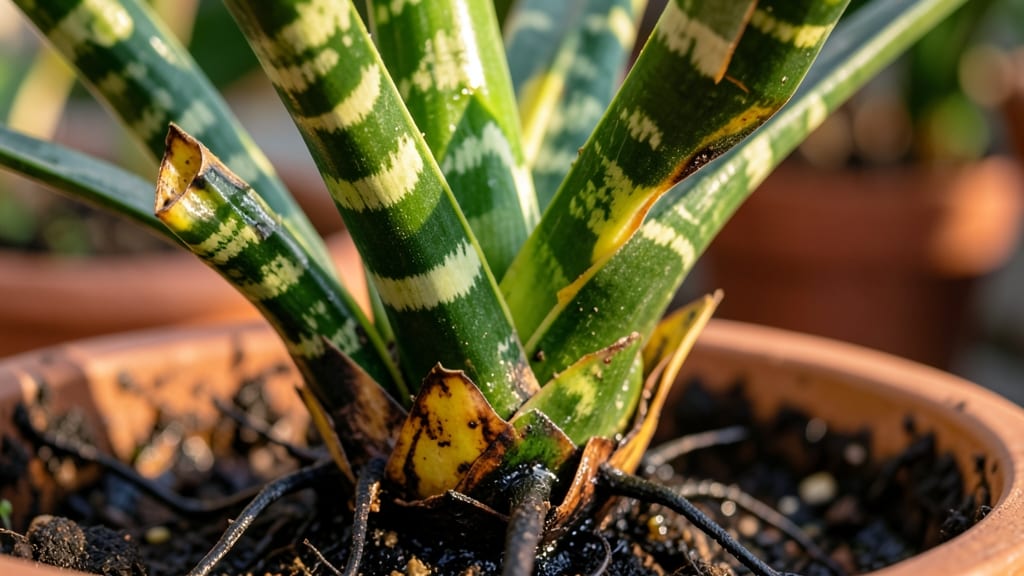
How to fix an overwatered snake plant—those drooping leaves aren’t a death sentence, just a wake-up call. 🌱 I’ve nursed back more soggy roots than I’d like to admit, and the secret lies in cutting off the rot before it spreads. The first step? Stop watering immediately and assess the damage—yellow leaves and mushy stems are your red flags.
Grab a clean knife, fresh potting mix, and a pot with drainage holes (yes, they’re non-negotiable). Trim away the blackened roots and any leaves that feel squishy—this isn’t cruel, it’s surgery to save the plant.
Repot in a mix designed for succulents or cacti, and let the soil dry completely before watering again. Patience here is key.
Within weeks, you’ll see new growth pushing through the old damage. The plant will bounce back stronger, with a tighter form and fewer future watering crises. Just remember: snake plants thrive on neglect, not attention—water only when the soil is bone-dry.
For next time, add perlite or pumice to your mix and upgrade to a terracotta pot if yours lacks drainage. A moisture meter becomes your best friend, and you’ll never guess how many overwatering disasters it prevents. Trust the process—your plant’s revival starts now.
📚 In This Guide
- What you need
- Instructions
- Tips and common mistakes
- Wrapping up and next steps
What you need
- ● Well-draining potting mix: 2–3 gallons (ensure it’s labeled for succulents or cacti—think coarse sand, perlite, or pumice mixed with peat or coco coir).
- ● Pot with drainage holes: 1–2 sizes larger than the current container (terracotta or ceramic preferred).
- ● Trowel or small shovel: For gently removing the plant and loosening soil.
- ● Pruning shears or clean scissors: Sterilized with rubbing alcohol to avoid infections.
- ● Hydrogen peroxide (3%) or fungicide: 1 small bottle (for treating mushy roots or soil).
- ● Spray bottle: For misting roots if they’re dry or brittle.
- ● Paper towels or clean cloth: To pat dry roots during inspection.
- ○ Rooting hormone: Optional for encouraging regrowth on healthy cuttings.
- ● Charcoal granules: ½ cup (adds to soil to prevent bacterial growth).
- ● Moisture meter: To check soil dryness post-repotting.
- ● Newspaper or plastic sheet: For easy cleanup during the process.
Tips & tricks for reviving an overwatered snake plant
Here's what nobody tells you—your snake plant can bounce back, even when it looks hopeless. These tricks will help you avoid common pitfalls and give your plant the best chance at recovery.
Root Inspection Tip: When you remove the plant in Step 1, look for the "squish test"—healthy roots should feel firm like a carrot, while rotted ones will collapse under gentle pressure. I've seen plants that looked completely dead at this stage make a full recovery after proper trimming. If more than half the roots are damaged, don't worry—snake plants are resilient and will grow new roots from the healthy portions.
Pruning Technique: In Step 2, when trimming damaged roots, work in good lighting and use a magnifying glass if needed—you want to cut back to the last healthy white section. I've made the mistake of leaving tiny black specks thinking they'd "go away," only to have the rot spread. Sterilize your tools between cuts with rubbing alcohol to prevent cross-contamination between healthy and diseased areas. This might seem tedious, but it's worth it.
Soil Mix Strategy: For Step 3, I recommend mixing your well-draining potting soil with an extra 20% perlite or pumice. This creates air pockets that prevent future waterlogging. You can also add a handful of activated charcoal to the soil mix—it helps prevent bacterial growth while the plant recovers. Just avoid compacting the soil when repotting; snake plants need that air circulation around their roots.
Recovery Monitoring: After repotting, place a humidity tray nearby if your home is dry—this mimics the plant's natural tropical environment without overwatering. In Step 5, when checking soil moisture, press your finger 1-2 inches deep and feel for dryness. The soil should feel like a wrung-out sponge, not damp. I've seen plants recover faster when kept in slightly higher humidity during their first month of recovery.
Pro Tips for Fix Overwatered Snake Plant
- Here's what nobody tells you—your snake plant can bounce back, even when it looks hopeless.
- Root Inspection Tip: When you remove the plant in Step 1, look for the "squish test"—healthy roots should feel firm like a carrot, while rotted ones will collapse under gentle pressure.
- Pruning Technique: In Step 2, when trimming damaged roots, work in good lighting and use a magnifying glass if needed—you want to cut back to the last healthy white section.
Frequently asked questions
How do I know if my snake plant is overwatered vs. underwatered?
Check the soil first: Overwatered plants feel squishy or mushy when pressed, while underwatered ones are bone-dry. Yellowing leaves with brown tips or a foul odor also signal overwatering. Snake plants wilt only when severely underwatered—they’re tougher than they look!
How long does it take for an overwatered snake plant to recover?
Recovery time varies, but with proper care (well-draining soil, less water, and bright indirect light), you’ll see improvement in 2–4 weeks. Severely damaged roots may take 6–8 weeks to bounce back. Patience is key—don’t rush it!
Can I save a snake plant with root rot?
Yes, but act fast! Trim away mushy, black roots with sterilized scissors, repot in fresh, gritty soil, and skip watering for 1–2 weeks. If the plant is still alive (green leaves), it’ll regrow roots. If it’s completely limp and black, it’s likely too late—but try propagating healthy leaves!
What’s the best soil mix to prevent overwatering in the future?
Use a chunky, fast-draining mix like 50% cactus/succulent soil + 30% perlite/pumice + 20% orchid bark. Avoid regular potting soil—it holds too much moisture. Pro tip: Add a handful of charcoal to deter rot!
How often should I water a snake plant after fixing overwatering?
Let the soil dry out completely between waterings—usually every 2–4 weeks, depending on humidity and light. Stick your finger 2 inches deep; if it’s dry, it’s time. Less is always better for these drought-loving plants!
Wrapping up and next steps
Reviving an overwatered snake plant is totally doable with the right steps—patience, proper drainage, and smart pruning are your best tools! 🌱 By adjusting your watering habits, repotting if needed, and giving your plant time to recover, you’ll see those resilient leaves bounce back stronger than ever. Don’t stress if progress is slow; snake plants are tough survivors!
Now that you’re armed with the know-how, take action today—check your plant’s roots, trim what’s necessary, and give it the care it deserves. Before you know it, your snake plant will be thriving, and you’ll be the proud plant parent you’re meant to be! 🎉