
Container Gardens
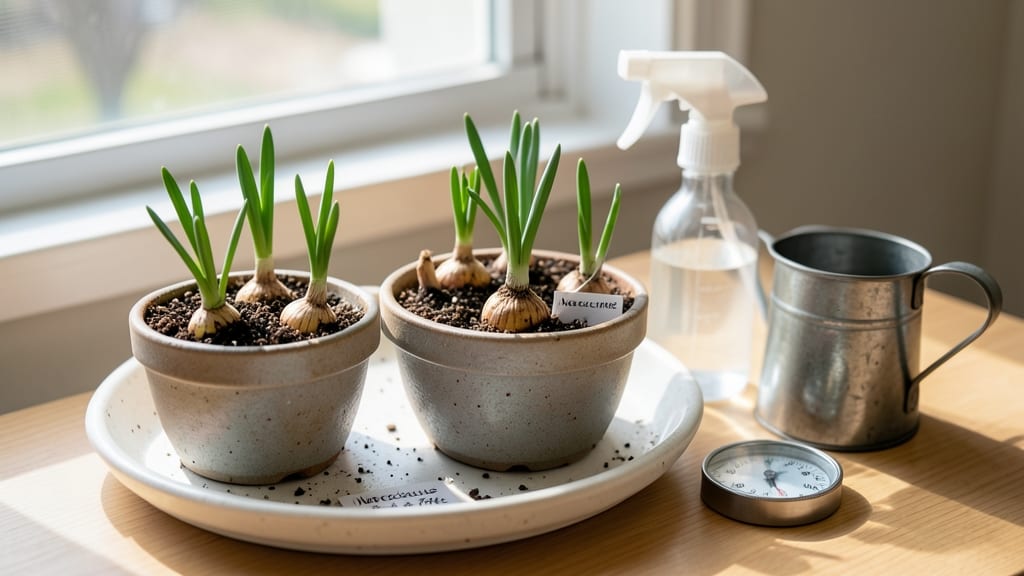
Winter’s gray days just got brighter with how to force daffodil bulbs indoors—these cheerful blooms turn your living room into a spring preview with no garden required. The secret lies in mimicking nature's timing, and I've perfected a method that works every time, even with store-bought bulbs.
You'll need just three things: paper pots or a shallow container, potting mix, and a dark, cool spot (like a garage or basement) for the initial chilling phase.
Most bulbs need 10-12 weeks of cold treatment before they'll bloom indoors—start in early fall for Christmas blooms or mid-winter for Easter displays.
Picture this: delicate yellow trumpets appearing in January when everything outside is brown and dormant. The process is foolproof once you know the right temperatures and light exposure, and you'll get multiple blooms per bulb with proper care.
Whether you're gifting forced daffodils or just want spring vibes in winter, this method delivers. The same bulbs can often be replanted outdoors after blooming, giving you free garden plants next spring!
📚 In This Guide
- What you need
- Instructions
- Tips and common mistakes
- Wrapping up and next steps
What you need
- ● Daffodil bulbs: 3–5 healthy, firm bulbs (choose varieties like Tête-à-Tête or Ice Follies for compact growth).
- ● Container: A shallow pot (6–8 inches wide) with drainage holes, or a bulb-forcing tray (if available).
- ● Potting mix: 2–3 cups of well-draining soil (use a cactus/succulent mix or add perlite to regular potting soil).
- ● Watering can or spray bottle: For gentle hydration (avoid overwatering!).
- ● Cooling location: A dark, cool spot (35–45°F) for 8–12 weeks (e.g., basement, garage, or fridge with a ventilation hole).
- ● Bright light source: A sunny windowsill or grow light (after forcing begins).
- ● Peat moss or coconut coir for moisture retention.
- ● A thermometer to monitor temperature.
- ● Decorative stones or moss for a polished look.
- ● Fertilizer (balanced 10-10-10, lightly applied after sprouting).
Step-by-step instructions for forcing daffodil bulbs indoors
Here's my foolproof method for coaxing cheerful daffodils indoors—no greenhouse needed.
Select and Prepare the Bulbs
Choose firm, medium-sized daffodil bulbs—smaller ones may not bloom, while oversized ones can split their jackets. Look for bulbs with a slight papery skin but no soft spots or mold. I like to soak them in a 1:10 bleach-water solution for 10 minutes before planting to prevent rot and disease. Rinse thoroughly afterward.
Daffodils need a 12-week cold period to trigger blooming, so plan accordingly. If you're forcing bulbs in late fall, they'll bloom by early spring. The key is patience—rushing this step often results in weak stems or no flowers at all.
Plant the Bulbs in Containers
Use a shallow, wide pot (at least 6 inches deep) with drainage holes—daffodils dislike soggy roots. Fill the bottom with 2-3 inches of well-draining potting mix, then place the bulbs 2-3 inches apart, pointed side up. Cover them with 1-2 inches of additional soil, leaving the neck exposed. This mimics their natural winter dormancy cycle.
Water lightly after planting to settle the soil, but avoid overwatering. The mix should feel damp but not wet. I like to use a spray bottle for gentle moisture—it prevents displacing the bulbs while ensuring even hydration. Place the pot in a cool, dark location (like a basement or garage) where temperatures stay between 35-50°F.
Maintain Cold and Dark Conditions
For the next 8-10 weeks, keep the bulbs in darkness and cool temperatures. Check the soil weekly—it should stay slightly moist but never soggy. If the mix dries out completely, the bulbs may wake too early and produce weak shoots. I set a reminder to water every 7-10 days, adjusting based on humidity levels in my home.
This chilling period is non-negotiable. Without it, the bulbs won’t bloom. You’ll know it’s working when you see green shoots emerge—usually around 6-8 weeks in. Once they reach 2-3 inches tall, it’s time to move them to light.
Transition to Light and Warmth
Move the pot to a bright, indirect light spot (like a north-facing window) and increase temperatures to 60-65°F. Avoid direct sunlight at first—sudden exposure can scorch the tender shoots. I gradually introduce more light over 3-4 days to harden them off gently.
Water moderately—once a week—allowing the top inch of soil to dry between waterings. You’ll notice the stems lengthen and the buds form within 2-3 weeks. If the stems grow too leggy (stretching toward the light), supplement with a grow light for 12 hours daily to encourage sturdy blooms.
Encourage Blooming and Care for Flowers
When buds appear, increase light exposure to 6+ hours of indirect sunlight daily. A south-facing window works well, but rotate the pot quarter-turn daily to prevent lopsided growth. The bulbs will draw nutrients from their own reserves, so no fertilizer is needed—in fact, feeding now can weaken the stems.
Once flowers open, enjoy them for 1-2 weeks before they fade. After blooming, the foliage will yellow and die back naturally. Let it remain for 4-6 weeks to allow the bulb to recharge for future seasons. You can then discard the bulbs or plant them outdoors in fall if desired.
Post-Bloom Care and Next Steps
After the foliage yellows completely, trim it back but leave the pot in place until late spring. This ensures the bulb stores energy for next year. If you’re reusing the bulbs, plant them outdoors in a sunny garden bed after the last frost, where they’ll multiply and return to bloom in future winters.
For a second round of indoor blooms, repeat the process with fresh bulbs in late summer or early fall, giving them 12 weeks of cold before forcing again. The first year is always the most dramatic—subsequent blooms may be smaller but still delightful.
Tips & tricks for perfect indoor daffodil blooms
These simple strategies will help you avoid common pitfalls and coax those winter flowers to life with confidence.
Selection Tip: When choosing bulbs, look for ones that feel heavy for their size—this indicates they're packed with stored energy for blooming. Avoid bulbs with any green shoots already emerging, as these won't respond well to the forcing process. I've found that medium-sized bulbs (about 2-3 inches in diameter) consistently produce the most reliable blooms indoors.
Temperature Matters: The 35-50°F range during the chilling period is crucial, but not all basements or garages stay within this window. If your space runs warmer, place the pot on a bed of damp sand or vermiculite in a shallow tray—this helps regulate temperature and maintain moisture. You can also nestle the pot inside a larger container with insulating materials like old towels to create a more stable microclimate.
Light Transition Strategy: When moving your bulbs to light after the 6-8 week mark, don't rush the process. Those 3-4 days of gradual acclimation prevent the delicate shoots from shocking and turning yellow. I like to start with just 2 hours of indirect light on day one, then add an hour each subsequent day. This mimics the natural lengthening days of spring and produces stronger stems.
Watering Wisdom: The "slightly moist" soil guideline is more important than you might think. Use your finger to check moisture—if the top inch of soil feels dry, it's time to water. For the 8-10 week chilling period, I've found that watering every 7-10 days works best in most homes, but adjust based on your specific humidity levels. During the blooming phase, let the top inch dry more completely between waterings to prevent overwatering, which can cause the stems to weaken.
Pro Tips for Force Daffodil Bulbs Indoors
- These simple strategies will help you avoid common pitfalls and coax those winter flowers to life with confidence.
- Selection Tip: When choosing bulbs, look for ones that feel heavy for their size—this indicates they're packed with stored energy for blooming.
- Temperature Matters: The 35-50°F range during the chilling period is crucial, but not all basements or garages stay within this window.
Frequently asked questions
Got questions about forcing daffodil bulbs indoors? You’re not alone! Here are some of the most common concerns—plus quick, practical answers to help you succeed.
Can I force any daffodil bulb indoors, or are some better than others?
Not all daffodils are created equal for indoor forcing. Look for Paperwhite or Jonquil varieties—they’re the easiest and most reliable. Avoid large, showy hybrids (like Ice Follies), as they may not rebloom well. Check labels for "forcing-friendly" or "paperwhite" types for the best results!
How long does it take for daffodils to bloom indoors?
Patience is key! With proper chilling (6–8 weeks at 35–45°F), your bulbs will sprout in 2–4 weeks after planting. Full blooms typically appear 4–6 weeks after the first green shoots emerge. Keep them in a cool, bright spot (like a sunny window) to speed up the process.
What if my bulbs rot or mold after planting?
Overwatering or poor drainage is usually the culprit. Ensure your container has drainage holes and use a well-draining mix (like perlite + potting soil). If rot appears, remove the bulb immediately and repot healthy ones in fresh, dry soil. A fungicide spray can also help prevent future issues.
Do I need a dark, cold fridge to chill the bulbs?
Not necessarily! While a fridge (set to veggie crisper, not the freezer) works, you can also chill bulbs in a cool basement, garage, or unheated sunroom (as long as temps stay between 35–45°F). Just avoid ethylene-rich areas (like near apples) and keep them dry—moisture speeds up rot.
Can I reuse daffodil bulbs after they bloom indoors?
Unfortunately, most forced daffodils won’t rebloom the next year because their energy is spent on flowering. However, you can plant them outdoors in fall—they may naturalize and return with fresh blooms in 2–3 years! Treat them like any other spring bulb for garden planting.
Wrapping up and next steps
Forcing daffodil bulbs indoors is a rewarding way to bring early spring cheer into your home—no green thumb required! 🌱 With just a few simple steps, you’ll enjoy vibrant blooms months before they’d appear outside. Remember: patience and consistency are key, but the payoff of fresh-cut flowers or a cheerful windowsill display makes it worth it.
Now that you’re ready to grow, why not share the joy? Gift a forced daffodil bulb to a friend or family member—it’s a thoughtful, low-maintenance way to spread happiness. Or, experiment with other bulbs like tulips or hyacinths for even more indoor color! Happy forcing! 🌸