
Tools
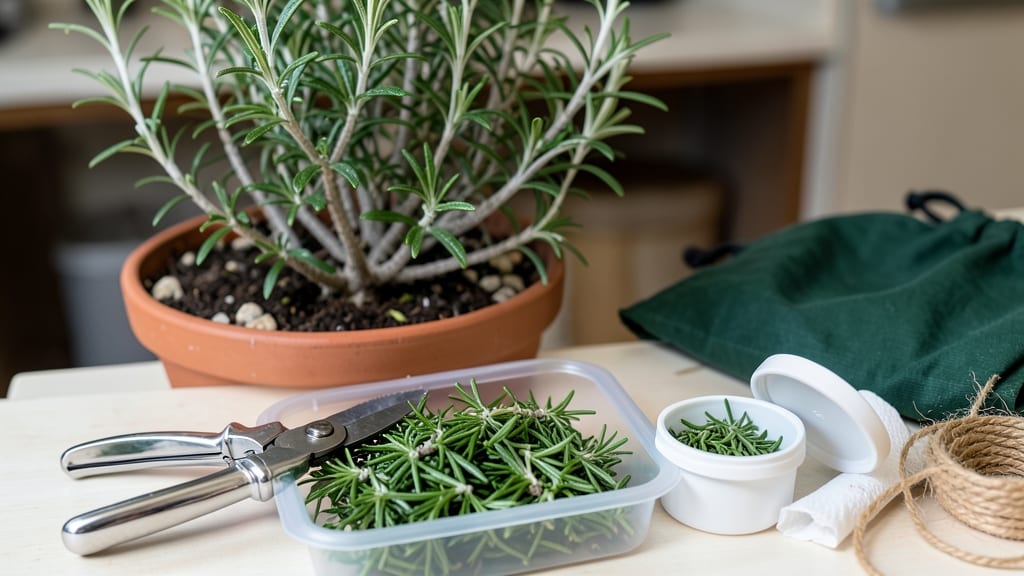
Freezing rosemary from your garden keeps that piney, fresh aroma all winter long—no more dry, dusty jars of sad herbs. 🌿 The secret? Harvesting at the right time (before flowering) and freezing it whole or chopped, depending on how you plan to use it later.
I’ve wasted years buying limp rosemary at the grocery store when my freezer stash stays vibrant for up to a year with the right method.
You’ll need just a few simple tools: sharp scissors, a paper towel, a freezer bag or container, and optional ice cube trays for small batches.
The process takes less than 20 minutes, but the payoff is huge—think fresh rosemary in soups, roasted meats, or homemade breads even when snow’s on the ground. The key is drying the sprigs slightly first to prevent ice crystals from ruining the texture.
By the end, you’ll have rosemary ready to use in three easy storage methods: whole sprigs for whole leaves, chopped pieces for cooking, or even rosemary-infused ice cubes for broths.
The flavor stays bold, the leaves stay green, and you’ll never reach for store-bought again. Here’s how to do it without freezer burn or flavor loss.
This method works for summer and fall harvests, so you can stock up when the plants are at their peak. Whether you’re a beginner or a seasoned gardener, freezing rosemary is a game-changer for year-round cooking. Let’s get started—your winter meals will thank you!
📚 In This Guide
- What you need
- Instructions
- Tips and common mistakes
- Wrapping up and next steps
What you need
- ● Fresh rosemary sprigs: Harvest 1–2 cups of healthy, fragrant stems (avoid woody or yellowed sprigs).
- ● Sharp kitchen shears or pruning scissors: For cleanly trimming stems (1 pair).
- ● Paper towels or clean kitchen towel: To pat dry sprigs thoroughly (1 roll or 2–3 towels).
- ● Baking sheet: A rimmed sheet for spreading sprigs (1 medium/large sheet).
- ● Parchment paper: To line the baking sheet (1 roll).
- ● Freezer-safe bags or containers: Option 1: Quart or gallon-sized ziplock freezer bags (2–4 bags, depending on yield).
- ● Option 2: Airtight glass or plastic containers (e.g., mason jars or Tupperware, 1–2 containers).
- ○ Vacuum sealer (optional but recommended): Extends shelf life by removing air (1 unit).
- ● Ice cube tray: For freezing finely chopped rosemary in oil (1 tray).
- ● Olive oil or water: To blend with chopped rosemary (¼ cup, if using for cubes).
- ● Labeling supplies: Masking tape + marker to date your freezer stash.
- ● Food processor or mortar & pestle: For grinding rosemary into a powder (if desired).
Step-by-Step instructions for freezing fresh rosemary
Preserving rosemary this way keeps its piney aroma and flavor locked in for up to a year.
🌿 Step 1: Harvest and Prepare the Stems
Pick rosemary stems when they're fully mature but before flowering—this is when the essential oils peak. Look for stems that are 3-4 inches long and have a vibrant green color. Trim the ends at an angle to maximize surface area for drying later.
Rinse the stems gently under cool water to remove any dirt or debris, but don't soak them. Pat dry thoroughly with a clean kitchen towel or paper towels. The drier the stems, the better they'll preserve. If any leaves are yellow or brown, strip them off now—only use the freshest foliage.
💧 Step 2: Blanch the Rosemary Quickly
Bring a pot of water to a rolling boil. While it heats, prepare an ice bath in a large bowl filled with cold water and ice cubes. Once boiling, add the rosemary stems and blanch for 30-45 seconds—just long enough to soften the leaves slightly but not cook them through.
Use tongs to transfer the blanched stems immediately to the ice bath. Let them sit for 2-3 minutes to stop the cooking process completely. This step preserves color, flavor, and texture. Drain well on a clean towel or paper towels before proceeding.
✂️ Step 3: Remove Leaves and Package
Strip the leaves from the stems by running your fingers along the woody part. Discard the stems or save them for making rosemary-infused oils later. Spread the leaves on a clean kitchen towel or paper towels to air-dry for 10-15 minutes—this removes excess surface moisture that could cause ice crystals during freezing.
Once dry, divide the leaves into 1-2 tablespoon portions—this is the perfect amount for most recipes. Place each portion in a freezer-safe bag, removing as much air as possible by sealing it tightly. Label each bag with the date and contents.
⏰ Step 4: Freeze Properly for Long-Term Storage
Lay the sealed bags flat in the freezer to freeze evenly. This prevents the leaves from clumping together into a solid block. Once frozen solid (usually 2-3 hoursup to 12 months when frozen this way.
When ready to use, thaw the leaves in the refrigerator overnight or directly in a recipe—no need to defrost completely. The flavor remains vibrant, making it perfect for soups, marinades, or roasted dishes. Avoid refreezing thawed rosemary to maintain quality.
Tips & tricks for freezing rosemary from the garden
Preserving rosemary properly means capturing its full aromatic potential—here's how to avoid common pitfalls and maximize flavor retention.
Timing Secret: In Step 2, those 30-45 seconds of blanching are critical—they soften the leaves just enough to preserve texture without cooking them. I've ruined batches by leaving stems in too long, which turns them mushy. Set a timer and keep tongs ready to act fast when the time's up.
Harvesting Insight: The 3-4 inch stem length mentioned in Step 1 is ideal because it gives you enough leaf surface area while keeping the woody part manageable. Confession: I skipped this detail for years and wondered why my frozen rosemary always tasted weaker—it was because I was using too many tiny stems that didn't hold enough flavor oil.
Storage Wisdom: For Step 4, when laying bags flat to freeze, I recommend using quart-sized freezer bags instead of sandwich bags. The extra space prevents crushing, and the thicker material protects against freezer burn. Once frozen solid after 2-3 hours, you can stack them vertically to save space without compromising quality.
Make-Ahead Move: You can actually prep everything up to Step 3 and freeze the leaves at this stage if you're not ready to package them immediately. Just spread the air-dried leaves on a tray, freeze solid for 1 hour, then transfer to bags. This prevents them from sticking together before you're ready to portion.
Pro Tips for Freeze Rosemary From The Garden
- Preserving rosemary properly means capturing its full aromatic potential—here's how to avoid common pitfalls and maximize flavor retention.
- Timing Secret: In Step 2, those 30-45 seconds of blanching are critical—they soften the leaves just enough to preserve texture without cooking them.
- Harvesting Insight: The 3-4 inch stem length mentioned in Step 1 is ideal because it gives you enough leaf surface area while keeping the woody part manageable.
Frequently asked questions
Got questions about freezing rosemary? You’re not alone! Here are answers to the most common concerns to help you preserve your harvest like a pro.
Can I freeze rosemary with the woody stems still attached?
It’s best to remove the woody stems before freezing. The tender leaves (or small sprigs) freeze well, while stems can turn mushy. Trim them off just before freezing for the best texture in dishes like roasted potatoes or homemade bread.
How long does frozen rosemary last, and when is it past its prime?
Properly stored, frozen rosemary stays fresh for up to a year in an airtight container or freezer bag. Watch for freezer burn (dry, discolored spots) or a loss of vibrant green color—these are signs it’s time to use it up or compost it.
Can I freeze fresh rosemary whole (sprigs) or should I chop it first?
Both work, but small sprigs or finely chopped rosemary thaw and rehydrate better for cooking. For whole sprigs, freeze them unwashed (pat dry first!) in a single layer before bagging. Chopped rosemary is ideal for blending into pasta sauces or marinades.
Why does my frozen rosemary smell weaker after thawing?
This happens when rosemary loses essential oils during freezing. To fix it, thaw in the fridge overnight (never microwave!) and add a pinch of salt or lemon zest to revive the flavor. For stronger aroma, use 1:1 ratio of frozen to fresh rosemary in recipes.
Can I refreeze rosemary if it’s already been thawed?
No—refreezing rosemary degrades its texture and flavor. Use thawed rosemary immediately in cooking (e.g., soups, stews) or compost it. For small batches, freeze in ice cube trays with water or oil to portion out single-use servings!
Wrapping up and next steps
Freezing rosemary from your garden is a simple yet game-changing way to savor its fresh, aromatic flavor year-round—without the fuss of wilting branches or wilted dreams! 🌿❄️ Whether you’re prepping for winter cooking, bulk-stocking herbs, or just love the convenience of having rosemary at your fingertips, these steps ensure your harvest stays vibrant and potent for up to a year.
Now that you’re equipped with the how-to, take that next step: harvest, freeze, and flavor your meals like a pro!
👉 Pro Tip: Label your bags with the date—trust us, your future self will thank you when you pull out perfectly preserved rosemary for that holiday roast or cozy soup! 🎄🍲