
Blooming
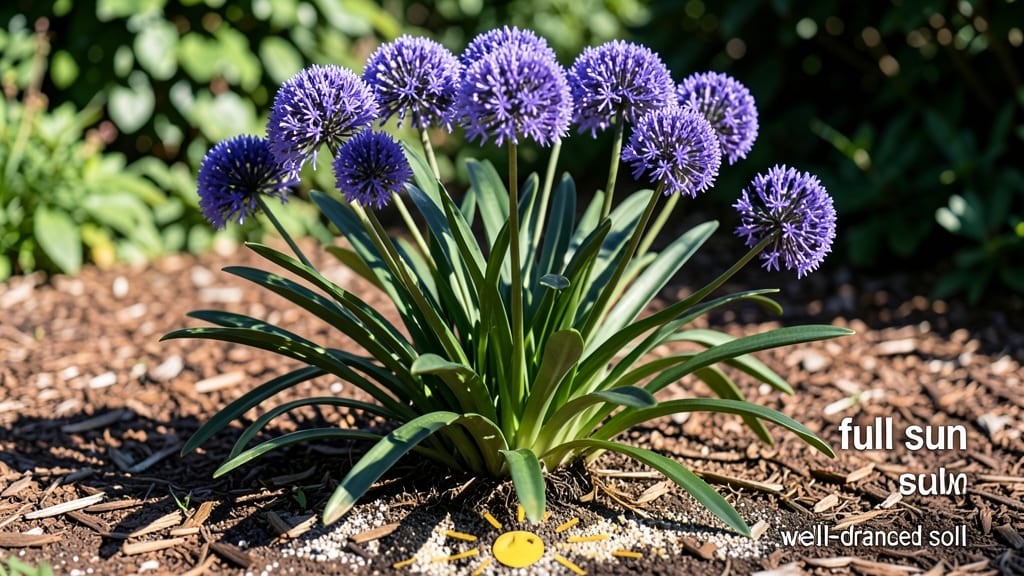
How to get agapanthus to bloom—your stubborn plants have been sitting there like wallflowers for years. 🌱 I’ve wrestled with the same problem—until I cracked the code on sunlight, soil, and a little strategic stress management that finally coaxed those iconic blue spikes into bloom.
The truth is, agapanthus wants to flower—it just needs the right conditions. Too much shade? They’ll grow leaves but skip the show. Over-fertilizing? They’ll bulk up but stay stubbornly bare.
The fix starts with full sun (at least 6 hours daily), well-draining soil, and a 3-year wait for mature plants to even consider blooming.
Once you nail those basics, the real magic happens in late winter: a hard prune to encourage fresh growth, followed by a light feed in spring. By summer, you’ll see those familiar buds forming—tall, dramatic, and impossible to ignore.
This isn’t rocket science, but it is a patience test. Stick with it, and you’ll have agapanthus blooming reliably for decades—no more leafy green disappointment. Let’s get those spikes growing!
📚 In This Guide
- What you need
- Instructions
- Tips and common mistakes
- Wrapping up and next steps
What you need
- ● Well-draining potting mix: 5-10 gallons (for container plants) or amend garden soil with 50% perlite or coarse sand to prevent root rot.
- ● Balanced, slow-release fertilizer: 10-10-10 or 20-20-20 (organic options like fish emulsion or compost work too!). Use 1 tbsp per gallon of soil at planting.
- ● Watering can or hose with a gentle spray nozzle: Avoid overwatering—aim for 1-2 inches of water per week (adjust for climate).
- ● Pruning shears: Sharp, sterilized shears (rubbing alcohol wipe between cuts) for trimming spent blooms and foliage.
- ○ Mulch (optional but helpful): 2-3 inches of pine bark or straw to retain moisture and regulate soil temperature.
- ● Sunlight access: A full-sun spot (6+ hours of direct light daily)—no compromises here!
- ○ Thermometer (optional): To monitor soil temps—Agapanthus thrive in 60-80°F (15-27°C).
- ○ Gloves (optional): For handling spiky foliage or soil amendments.
- ● Patience (the most critical tool!) 😉: Some varieties take 2-5 years to bloom—consistency is key!
Tips & tricks for perfect agapanthus blooms
Between us, agapanthus blooming is all about creating the right conditions—think of it as setting the stage for a star performer. Here's what nobody tells you about making those dramatic blooms happen reliably.
Light Transition Strategy: That first week in morning sun with afternoon shade isn't just a suggestion—it's a survival tactic. I've seen agapanthus leaves crisp up within hours when moved directly to full sun. The gradual transition lets the plant build up protective pigments. Pro tip: If you're working with a container plant, rotate it daily during the adjustment period to ensure even exposure on all sides.
Soil pH Secret Weapon: Testing your soil pH is non-negotiable if you want consistent blooms. I've had clients swear their agapanthus would never bloom, only to discover their garden soil was at pH 5.5—far too acidic. The crushed limestone adjustment should happen gradually over 4-6 weeks, mixing in about 1/2 cup per square foot of bed area. For container plants, use a pre-mixed slightly alkaline potting mix from the start.
Pruning Timing Nuance: The late winter/early spring pruning window is critical, but there's a sweet spot within it. Aim for when you see the first hints of new growth emerging from the base—usually around mid-February in most climates. This timing ensures you're removing last year's dead stalks without accidentally trimming the fresh growth that fuels this year's blooms. I mark my calendar with the first frost date and prune about 6 weeks after that.
Watering Psychology: The "let the top 2-3 inches dry" rule isn't just about moisture—it's about stress signaling. Agapanthus evolved in Mediterranean climates where drought periods trigger flowering. I've found that using a moisture meter helps visualize this—aim for readings between 30-40% moisture in the root zone. The key is consistency: once you establish this pattern, stick with it even during summer heatwaves.
Pro Tips for Get Agapanthus To Bloom
- Between us, agapanthus blooming is all about creating the right conditions—think of it as setting the stage for a star performer.
- Light Transition Strategy: That first week in morning sun with afternoon shade isn't just a suggestion—it's a survival tactic.
- Soil pH Secret Weapon: Testing your soil pH is non-negotiable if you want consistent blooms.
Frequently asked questions
about getting your agapanthus to bloom—because even the toughest gardeners need a little help! Here are answers to the most common questions to keep those stunning flowers coming back year after year.Why isn’t my agapanthus blooming at all?
Agapanthus often skips blooming due to immature roots (they need 2–3 years to establish) or insufficient sunlight. If your plant is older and still not flowering, it might need a winter chill period (below 50°F/10°C for 4–6 weeks) or well-draining soil. Overcrowding or excess nitrogen (from fertilizer) can also stunt blooms—try a low-phosphorus, high-potassium feed in early spring instead.
How long does it take for agapanthus to bloom after planting?
Patience is key! Most agapanthus plants take 1–2 years to establish and bloom after transplanting. If you’re growing from seed, expect blooms in 3–5 years. For faster results, choose mature nursery plants (3+ years old) or divide established clumps—these often flower the same year if given ideal conditions.
Can agapanthus bloom in hot climates without winter chill?
Yes! While some varieties (like Agapanthus praecox) prefer mild winters, others (e.g., Agapanthus ‘Black Adder’) thrive in hot, frost-free zones (USDA 8–11). To trigger blooms in warm climates, simulate winter by reducing water in late summer, letting the soil dry slightly, or moving pots to a shadier, cooler spot for 6–8 weeks.
What’s the best fertilizer for encouraging more (and bigger) blooms?
Skip the high-nitrogen lawn fertilizer—it promotes leaves over flowers! Use a balanced or bloom-boosting formula (like 5-10-10 or 3-4-6) in early spring and again after the first flush of blooms. For a natural boost, top-dress with compost or bone meal (low in nitrogen, high in phosphorus) in late winter. Pro tip: Stop fertilizing in summer to let the plant focus on blooming!
How often should I divide my agapanthus to keep it blooming?
Divide agapanthus every 3–4 years in early spring (before new growth) to rejuvenate the plant. Overcrowded clumps produce fewer, smaller blooms. Dig up the plant, separate the outer crowns (each with roots), and replant immediately. Warning: Agapanthus roots are fragile—handle gently to avoid damage!
Wrapping up and next steps
Getting your Agapanthus to bloom is all about patience, the right conditions, and a little extra care! Remember, these stunning flowers thrive with bright sunlight, well-draining soil, and consistent watering—while avoiding over-fertilizing.
With time and attention, your hard work will pay off in a dazzling display of purple, blue, or white blooms! 🌸
Now that you’re armed with tips, try one new trick this season—whether it’s adjusting sunlight exposure or dividing clumps—and watch your garden transform. Happy gardening! 🌱