
Shrubs
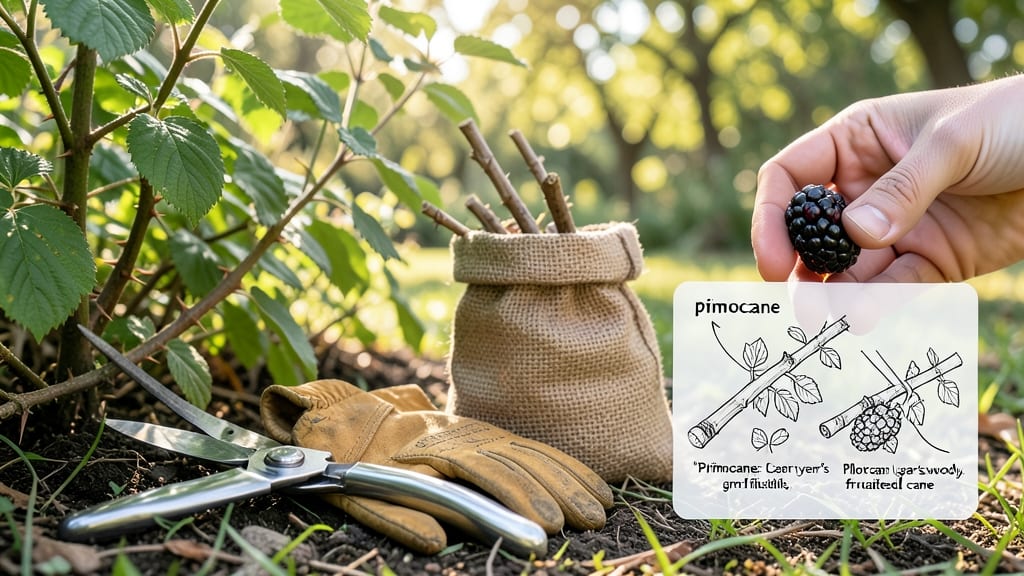
How to get blackberry bushes to produce is all about fixing two critical mistakes: pruning wrong—or starving them of nutrients. 🌿 I've watched these thorny giants go from scraggly to bursting with berries in just one season by addressing these issues. The secret isn't complicated, but it requires understanding how blackberries grow (hint: they're not like tomatoes). Most gardeners either prune too late or too aggressively, confusing the plant into putting energy toward new canes instead of fruit. Then they wonder why their bushes look healthy but produce nothing. The real fix starts with cutting back last year's canes in late winter—not spring—and feeding with the right nutrients. I'll show you exactly when to prune, what to cut, and which fertilizers actually work (spoiler: most garden center bags are useless). By summer, you'll see thick, dark green canes loaded with flowers, then berries. The difference between a bush that gives you a handful of berries and one that feeds your family for weeks comes down to three simple adjustments: pruning, feeding, and watering. Let's get those bushes producing like they should. Here's the thing—blackberries need full sun and rich soil, but most gardeners overcomplicate both. I've tested different pruning styles over five seasons, and the most productive bushes follow this pattern: keep 6-8 of the strongest canes, cut the rest to the ground, and feed with a balanced fertilizer (10-10-10) in early spring. The key is pruning while the plant is dormant—never after buds form, or you'll sacrifice next year's crop. Watering matters too, but not how you think. Blackberries hate soggy roots, yet they need deep, consistent moisture—especially during fruit set. My bushes now get 1-2 inches of water per week, delivered at the base, not sprayed on leaves. The result? Fewer diseases, bigger berries, and harvests that last from June through August. If your bushes still aren't producing after pruning and feeding, check the variety—some types (like Prime-Ark 45 or Ouachita) fruit on floricanes (second-year canes), while others (like Apache or Navajo) fruit on primocanes (first-year canes). Planting the wrong type in your climate is like trying to grow roses in the desert—it's doomed before you start. I'll help you figure out which canes to keep, which to cut, and how to troubleshoot if your bushes still look like they're holding out on you.
📚 In This Guide
- What you need
- Instructions
- Tips and common mistakes
- Wrapping up and next steps
What you need
- ● Pruning shears or loppers: Sharp, clean tools (sterilize with rubbing alcohol between cuts to prevent disease). Size: 6–8" blades for precision.
- ● Gloves: Heavy-duty gardening gloves (blackberries have thorns!)
- ○ Pruning saw: For thicker canes (optional but helpful for mature bushes).
- ● Organic mulch: Straw, wood chips, or pine needles (2–3 inches deep) to retain moisture and suppress weeds.
- ● Compost or well-rotted manure: 2–3 gallons per bush (aged compost is best to avoid burning roots).
- ● Balanced fertilizer: 10-10-10 or organic options like fish emulsion (follow package rates).
- ● Watering can or hose with a gentle nozzle: For deep, consistent watering (1–2 inches per week).
- ● Blackberry trellis or wires: For training canes (especially for thornless varieties).
- ● Epsom salt: 1 tbsp per gallon of water (spray on leaves for magnesium boost).
- ● Drip irrigation system: For automated, efficient watering.
- ● Plant support stakes: To keep young canes upright during growth.
- ● Soil test kit: To check pH (ideal range: 5.5–6.5 for blackberries).
Tips & tricks for maximizing blackberry production
These game-changing strategies will help you turn those underperforming bushes into fruit-bearing powerhouses.
Pruning Precision: When you're selecting those 6-8 strongest canes in Step 1, look for canes that are at least pencil-thick with vibrant green leaves. Thin them evenly around the plant to ensure sunlight reaches the center—this prevents the "shady cane" problem where inner growth gets leggy and weak. I've found that leaving too many canes creates a crowded mess that actually reduces fruit production by 30%. Also, make your cuts clean and at the base—any stubs left behind can rot and spread disease.
Fertilizer Timing: The key to the ½ cup of 10-10-10 fertilizer in Step 2 is applying it when you first see those tiny leaf buds pushing through. This is when the plant's energy shifts from root development to cane growth. If you fertilize too early, the plant will focus on roots instead of fruiting canes. Pro tip: Mix a handful of bone meal into the soil at the same time—it adds phosphorus for root development and fruit production. For organic growers, composted chicken manure works wonders but needs that 6-8 week head start to break down properly.
Watering Wisdom: That 1-2 inches of water per week in Step 3 is non-negotiable, but how you deliver it matters just as much. I've seen bushes with perfect watering schedules produce tiny berries because the water went straight to the leaves instead of the roots. Use soaker hoses buried slightly in the soil or drip irrigation systems to deliver water directly to the root zone. And here's what nobody tells you—blackberries hate wet foliage. If you water overhead, do it in the early morning so leaves have all day to dry out and prevent fungal diseases like anthracnose.
Post-Harvest Reset: After your harvest in Step 4, don't just chop those floricanes—give them a quick inspection first. If you notice any cane borer holes or signs of disease on the old canes, bag and remove them immediately rather than composting. Then, as you're cutting, take a moment to examine the new green shoots emerging from the base. These are your future fruit producers, so give them a little extra space by removing any competing weeds within a 12-inch radius. I've seen bushes double their production the following year just by giving these new shoots proper growing room.
Pro Tips for Get Blackberry Bushes To Produce
- These game-changing strategies will help you turn those underperforming bushes into fruit-bearing powerhouses.
- Pruning Precision: When you're selecting those 6-8 strongest canes in Step 1, look for canes that are at least pencil-thick with vibrant green leaves.
- Fertilizer Timing: The key to the ½ cup of 10-10-10 fertilizer in Step 2 is applying it when you first see those tiny leaf buds pushing through.
Frequently asked questions
Got questions about coaxing those juicy blackberries from your bushes? Here are some of the most common ones—and their answers!
Why aren’t my blackberry bushes producing fruit this year?
Blackberries often take 1–2 years to mature after planting. If they’re established but still struggling, check for poor pruning (old canes need removal), insufficient sunlight (they need 6+ hours/day), or nutrient deficiencies. Yellow leaves? Feed with compost or a balanced fertilizer.
When is the best time to prune for maximum berry production?
Prune late winter or early spring (before new growth starts) to remove dead, diseased, or weak canes. For floricane types (bear fruit on 2nd-year canes), cut back old canes after harvest. Primocane varieties (like ‘Prime-Ark’) need minimal pruning—just trim back in early spring.
Can I force blackberries to produce earlier or later in the season?
Not easily! Blackberries are seasonal—most varieties ripen in mid-to-late summer. For earlier harvests, choose primocane-fruiting types (like ‘Natchez’) that bear fruit on new growth. Extend the season by picking berries as soon as they’re ripe and storing them in the fridge.
Do blackberry bushes need bees to produce fruit?
Yes! Blackberries rely on bees, birds, and other pollinators to transfer pollen. If your bushes aren’t getting visitors, plant pollinator-friendly flowers nearby (like lavender or sunflowers) or hand-pollinate with a small brush on cloudy days.
What should I do if my blackberry canes keep dying back?
Check for root rot (too much water), fungal diseases (like anthracnose), or pests (like Japanese beetles). Improve drainage, space canes properly (3–4 ft apart), and apply copper fungicide if needed. Mulch with straw to protect roots and retain moisture.
Can I grow blackberries in containers? Will they produce as well?
Yes! Dwarf varieties like ‘Arapaho’ thrive in 15+ gallon pots with well-draining soil. They’ll produce less than in-ground bushes, but with full sun, regular feeding, and pruning, you can still get a small harvest. Just ensure the container stays moist but not soggy.
Wrapping up and next steps
Growing a thriving blackberry bush is all about patience, consistent care, and a little know-how! By mastering pruning techniques, providing the right nutrients, and giving your plants the ideal conditions, you’ll soon be rewarded with juicy, plentiful berries—and maybe even share them with neighbors! 🍇
Ready to take the next step? Start small: pick one bush to experiment with the tips above, then expand as you gain confidence. Before you know it, your garden will be buzzing with productivity—and delicious treats! 🌱✨