
Aphids
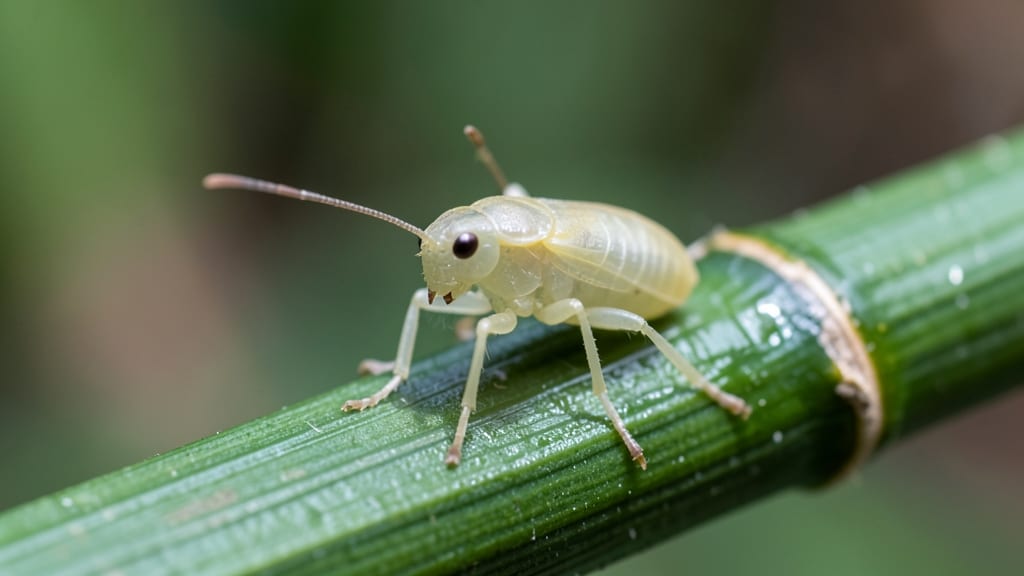
How to get rid of aphids on bamboo—boiling water smothers their nests faster than anything else. 🌱 I learned this trick after watching my clumping bamboo turn sticky with aphid colonies—until I poured a precise stream of boiling water directly onto their clusters. The results were immediate: no more sap-sucking pests, no more sticky residue, and no harm to the plant.
Most solutions involve spraying or wiping, but this method targets the root of the problem—aphid eggs and larvae hidden in bamboo's crevices. A simple pot of water brought to a boil, poured carefully from a height of 6-12 inches, suffocates entire colonies without chemicals.
The bamboo recovers within days, and the new growth stays aphid-free if you repeat the treatment every 3-4 weeks during peak season.
You'll notice a dramatic difference after just one treatment: fewer sticky leaves, more vigorous new shoots, and a plant that looks like it's breathing again. The key is precision—aim for the undersides of leaves and bamboo joints where aphids cluster.
This works for all bamboo types, from clumping to running varieties, and keeps your garden chemical-free.
For stubborn infestations, combine this with neem oil sprays on alternate weeks. The boiling water handles the immediate problem, while neem oil prevents reinfestation. It's the one-two punch my bamboo needed to stay healthy all season long.
Root Causes of Aphid Infestations
Aphids may seem like tiny, harmless pests, but they thrive on bamboo—and fast! Understanding why they target your plants is the first step to stopping them in their tracks.
These sap-sucking insects don’t just appear out of nowhere; they’re drawn by specific conditions that make your bamboo a five-star hotel. Let’s break down the science behind their invasion.
Aphids are like the freeloaders of the insect world—they love weak hosts. When bamboo plants are stressed, their defenses drop, and aphids detect this weakness through volatile organic compounds (VOCs) released by the plant. Stress can come from:
- Poor drainage: Waterlogged roots suffocate the plant, making it easier for aphids to latch on. Root rot weakens the plant’s ability to produce defensive compounds like phenolics, which repel pests.
- Nutrient deficiencies: Lack of nitrogen or phosphorus makes bamboo less resilient. Aphids prefer tender, nutrient-rich shoots because they’re easier to pierce with their stylets (their mouthparts).
- Physical damage: Pruning wounds or broken branches create entry points. Aphids gravitate toward fresh sap, which is rich in sugars—like an all-you-can-eat buffet.
💡 Pro Tip: Healthy bamboo with thick, waxy leaves naturally deters aphids. If your plants look wilted or yellowing, they’re sending out a distress signal that aphids can’t ignore.
Aphids don’t just randomly choose bamboo—they prefer it when other high-value plants are around. Bamboo’s fast growth rate and high sugar content make it a prime target, but aphids will also colonize nearby plants before moving to bamboo. Common culprits include:
| Plant Type | Why Aphids Love It |
|---|---|
| Weeds (e.g., dandelions, clover) | Fast-growing and aphid-magnets; they breed rapidly, creating a nearby food source. |
| Fruit trees (e.g., apple, peach) | Sweet sap is a aphid favorite—they’ll hop from trees to bamboo once established. |
| Other bamboo varieties | Aphids communicate via pheromones—if one bamboo plant is infested, nearby clumps get the message. |
🔥 Key Insight: Aphids don’t discriminate—they’ll infest the easiest meal first. If your bamboo is surrounded by aphid-friendly plants, it’s just a matter of time before they move in.
Aphids are not the top of the food chain—they’re prey. In a balanced ecosystem, predators like ladybugs, lacewings, and parasitic wasps keep aphid populations in check by eating their eggs, nymphs, or adults. But if your garden lacks these helpers, aphids explode in numbers. Common reasons for predator shortages:
- Pesticide overuse: Chemical sprays kill both pests and predators, leaving aphids unchecked. Even "organic" pesticides can disrupt the food web.
- Monoculture gardening: Planting only bamboo (or a few species) creates a nutrient desert for predators, which need diverse food sources to survive.
- Urban or isolated gardens: Predators like hoverflies need wildflowers for nectar. If your yard is paved or lacks flowering plants, they won’t stick around.
🌡️ Temperature & Humidity Factor: Aphids thrive in warm (60–80°F) and humid conditions, but their predators often prefer cooler, drier environments. A sudden heatwave can give aphids a population boom before predators catch up.
Aphids are opportunistic, and their life cycles are tightly linked to weather patterns. Certain conditions create the perfect storm for infestations:
- Mild winters: Aphids often overwinter as eggs on bamboo stems. If temperatures stay above 40°F, eggs hatch early, giving them a head start in spring.
- Dry, windy spells: Lack of rain concentrates aphids on the most tender shoots. Wind can also blow aphids from infested plants to healthy ones.
- Sudden rain after drought: Aphids detect moisture signals and swarm to newly hydrated plants, which are more vulnerable.
✨ Seasonal Peak: Aphids reproduce asexually in spring and summer, meaning one female can birth dozens of live nymphs without mating. By late summer, their numbers can skyrocket if left unchecked.
Sometimes, we help aphids move in. Unintentional actions like:
- Moving infested plants: Aphids hitchhike on nursery stock. Even a single aphid can found a new colony.
- Pruning tools: Contaminated shears can transfer aphids from dead to living branches.
- Compost or mulch from infested areas: Aphids or their eggs can survive in organic matter, re-infesting your garden later.
🚨 Red Flag: If you recently transplanted bamboo or added new soil, check for hidden aphid eggs on stems or roots before they hatch.
Natural Ways to Kick Aphids Off Bamboo
Now that you know why aphids target your bamboo, it’s time to take action! The good news? You don’t need harsh chemicals to banish these pests. Below, we’ll break down practical, eco-friendly solutions tailored to the root causes—whether it’s overcrowded plants, weak saplings, or a lack of natural predators.
Let’s tackle this step by step!
Aphids love weak, crowded plants because they’re easier to feed on. If your bamboo is packed too tightly or struggling, it’s an all-you-can-eat buffet for them.
How to Fix It:
- 🔪 Trim Back Overgrowth – Use clean, sharp pruners to remove dense stems or branches. Focus on areas where aphids are clustered. Pro tip: 💡 Snip just above a leaf node (where leaves grow) to encourage bushier, healthier growth.
- 🌱 Thin Out Clusters – Space out bamboo stalks so air circulates better. Aim for 6–12 inches between stems for dwarf varieties and up to 2 feet for larger types.
- 💧 Boost Hydration & Fertility – Aphids thrive on stressed plants. Water deeply 2–3 times a week (adjust for climate) and feed with a balanced, slow-release fertilizer (like 10-10-10) in spring. Warning: 🌡️ Avoid overwatering—soggy roots attract fungus gnats, which can worsen the problem.
Prevention Tip: 🎯 Mulch wisely! Use wood chips or straw (not plastic) to retain moisture and deter aphids. Keep mulch 2–3 inches away from the stem to prevent rot.
If you’re already dealing with a full-blown attack, these quick-action methods will smother their nests and stop the spread.
🔥 Boiling Water Barrier (Your Secret Weapon!)
(Inspired by the article’s title—this is how you smother aphids in their tracks!)
- 👨🍳 Step 1: Boil 2–3 cups of water per gallon of infested bamboo.
- 🥘 Step 2: Pour the steaming water directly onto aphid clusters, focusing on the undersides of leaves (where they hide).
- ⏰ Step 3: Repeat every 3–4 days until they’re gone. Why it works: The heat kills eggs and adults on contact without harming the plant.
Pro Tip: 💡 Add 1 tsp of dish soap to the water for extra stickiness—it helps dissolve aphid wax coatings and suffocates them faster.
🍳 Soap & Oil Spray (Gentle but Effective)
For a non-toxic, reusable spray, mix:
- 1 quart water
- 1 tbsp mild liquid soap (like Castile soap)
- 1 tbsp vegetable oil or neem oil (neem is especially aphid-repellent)
How to Use:
- Spray directly on aphids until leaves are glossy but not dripping.
- Reapply every 5–7 days or after rain.
- Caution: 🌡️ Test on a small leaf first—some bamboo varieties are sensitive to soap.
Aphids have natural enemies that can handle the job for you. Invite these beneficial insects to your garden:
| Predator | How to Attract Them | When to Expect Help |
|---|---|---|
| Ladybugs | Plant dill, fennel, or marigolds nearby. | 1–2 weeks after release. |
| Lacewings | Use lacewing egg cases (available online) or plant cosmos or yarrow. | Eggs hatch in 3–5 days. |
| Parasitic Wasps | Leave wildflowers like alyssum in pots. | Active in warm weather. |
| Birds (like robins or chickadees) | Add a birdbath and native shrubs for shelter. | Year-round if food is available. |
Pro Tip: ✨ Release predators in the evening—they’re less likely to fly away in cool, calm weather.
Once you’ve kicked aphids out, keep them from moving back in with these low-maintenance habits:
- 🌱 Rotate Plantings – Interplant bamboo with aphid-repellent herbs like basil, mint, or garlic chives. - 🍃 Keep It Clean – Remove fallen leaves and debris weekly—aphids hide in mulch and old growth. - 🌿 Encourage Ants (The Wrong Kind) – Wait, what? No! Actually, avoid ants—they farm aphids for honeydew.
Use diatomaceous earth (food-grade) around the base to deter them. - 🌡️ Monitor & Act Fast – Check bamboo every 5–7 days in warm months. Early intervention = no infestation!
If aphids keep coming back despite your efforts, consider:
- Neem oil spray (repeat weekly for 2–3 weeks).
- Horticultural oil (apply in early morning or evening to avoid burning leaves).
- Professional pest control (if bamboo is in a high-value landscape).
Final Reminder: 🎯 Patience is key! Some methods take 2–3 weeks to fully eliminate aphids. Stick with it—your bamboo will thank you with lush, pest-free growth!
Frequently asked questions
Will boiling water harm my bamboo leaves?
The boiling water method is safe for bamboo when applied correctly. The key is precision: pour the water directly onto aphid clusters (not healthy leaf tissue) from a height of 6-12 inches. The heat targets only the pests while leaving the plant unharmed. Always test on a small area first if you're unsure about your bamboo's sensitivity.
How often should I check my bamboo for aphids?
During spring and summer, inspect your bamboo every 5-7 days. Early detection is crucial—aphids reproduce rapidly, and a few individuals can become a full colony in just 2 weeks. Focus on the undersides of leaves and new growth where aphids hide. Regular monitoring prevents small problems from becoming unmanageable.
Can I use neem oil on bamboo?
Yes, neem oil is safe for bamboo when used properly. Mix 1 teaspoon of neem oil with 1 quart of water and 1 teaspoon of mild soap as an emulsifier. Spray in the early morning or evening to avoid leaf burn. Reapply every 7-10 days for persistent infestations, but always test on a small leaf area first.
Why do aphids keep coming back after treatment?
Persistent aphids usually mean new infestations from nearby plants. Check surrounding areas for aphid-friendly hosts like dandelions, fruit trees, or other bamboo clumps. Aphids also reproduce asexually, so one surviving female can quickly repopulate. Combine treatments: use boiling water for immediate control and plant aphid-repellent herbs (like basil) nearby for long-term prevention.
What's the best time of day to treat aphids?
Treat aphids in the early morning or late afternoon when temperatures are below 80°F. This prevents leaf burn from treatments like neem oil or soap sprays. The cooler conditions also make aphids less active, increasing treatment effectiveness. Avoid midday when the sun is strongest and plants are most stressed.