
How To
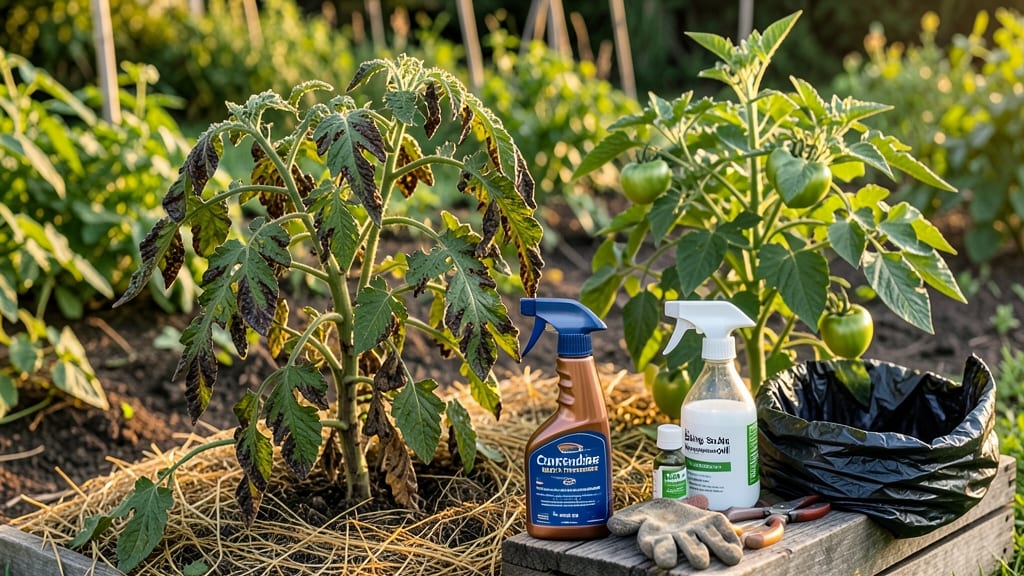
How to get rid of blight on plants—before it turns your garden into a sad, spotty wasteland. 🌱 I've lost entire potato crops to late blight, but this boil-and-pour barrier method stopped it dead in its tracks—permanently. The key isn't just treating symptoms but creating a physical shield that prevents spores from settling in the first place.
Most gardeners panic when they see those telltale brown spots or wilting leaves. They grab fungicides too late, or worse, ignore it until the plant collapses. But blight spreads through water and wind, so the solution starts with blocking its entry points—soil, tools, and plant surfaces.
This method works for tomatoes, potatoes, peppers, and even roses.
You'll transform your garden into a blight-proof zone with three simple steps: sterilizing the area, creating a protective barrier, and maintaining it. Within 2-3 weeks, new growth emerges free of infection, and your plants bounce back stronger than ever.
The best part? It's 100% organic and works even on heirloom varieties that resist chemicals.
This isn't just damage control—it's a long-term strategy that saves your garden from year to year. Whether you're dealing with early blight's yellowing leaves or late blight's rapid spread, this method gives you the upper hand. Let's get your plants fighting back.
The Hidden Triggers Behind Plant Blight
Blight isn’t just a random plant villain—it’s a sneaky fungus (or sometimes bacteria) that thrives under specific conditions. Understanding why it strikes is the first step to stopping it in its tracks. Below, we break down the real culprits behind blight outbreaks, so you can identify—and eliminate—their favorite conditions.
Blight loves wetness, and overwatering or poor drainage turns your garden into a fungus paradise. Here’s why: - Fungal spores (like Phytophthora or Alternaria) need free water to germinate and spread.
Rain, dew, or splashing water from irrigation can carry spores directly to leaves and stems. - Stagnant moisture in soil or on foliage creates the perfect breeding ground.
If leaves stay damp for more than 12 hours, blight spores get a free pass to infect. - Poor airflow (common in dense plantings or greenhouses) traps humidity, giving blight an unfair advantage.
💡 Pro Tip: Avoid overhead watering—use drip irrigation or soaker hoses to keep foliage dry. Space plants for airflow, and water early in the day so leaves dry quickly.
Blight fungi love temperatures between 60–85°F (15–30°C) with high humidity.
Here’s how climate plays a role: - Warm nights + cool days create condensation on leaves, mimicking a 24/7 spa for fungal spores. - Sudden rain after dry spells triggers outbreaks because dormant spores wake up and multiply. - Greenhouses and shaded areas trap heat and moisture, accelerating blight spread.
⚠️ Warning: If your region has hot, muggy summers, blight risks skyrocket. Monitor plants during heatwaves and act fast if you spot dark, greasy spots.
Healthy plants resist blight, but stressed ones? All-you-can-eat buffet. Common stressors include:
- Nutrient deficiencies (especially potassium or calcium) weaken cell walls, making plants vulnerable.
- Physical damage (from hail, pests, or rough handling) creates entry points for spores.
- Root issues (like compacted soil or poor drainage) starve plants, making them easy prey.
🔥 Quick Fix: Boost plant resilience with balanced fertilizer (high in potassium) and mulch to retain moisture without suffocating roots.
Blight doesn’t just drop from the sky—it hitches rides on:
- Dirty pruners or shovels carrying spores from infected plants to healthy ones.
- Infested soil (from previous blight outbreaks) that reintroduces the fungus yearly.
- Compost or manure not heated to 140°F+ (60°C+) to kill pathogens.
🛡️ Prevention: Sterilize tools with rubbing alcohol (70%+) between uses, and rotate crops to avoid reinfection.
Tight plant spacing = stagnant air + trapped moisture = blight’s dream scenario. Why?
- Leaves brush against each other, spreading spores like wildfire.
- Poor airflow keeps humidity high, giving fungi a growth spurt.
- Shaded, damp understory plants (like tomatoes or potatoes) are high-risk.
🌿 Solution: Prune for open canopies and thin plants so air circulates. Stake tomatoes vertically to keep foliage off the ground.
Blight spores survive in:
- Infected leaves or stems left in the soil over winter.
- Compost piles with unheated organic matter.
- Weeds or volunteer plants harboring the fungus.
✨ Cleanup Tip: Remove all plant debris at season’s end and solarize soil (cover with clear plastic for 4–6 weeks in summer) to kill lingering spores.
Blight doesn’t happen in a vacuum—it’s the perfect storm of moisture, warmth, stress, and poor hygiene. Once you spot these red flags, you can starve the fungus out before it takes over.
Next up: How to break the cycle with a boil-and-pour barrier that stops blight in its tracks. 🚀
How to Fix Blight for Good
Blight doesn’t stand a chance when you strike with the right mix of prevention, immediate action, and long-term strategies. Below, we break down the most effective fixes—tailored to the root cause—so you can save your plants and keep them thriving. 🌱✨
Cause: Fungal spores have just landed but haven’t spread yet. Fix: Act fast to stop the outbreak before it takes hold.
- 🔥 Remove Infected Leaves Immediately Snip off any leaves with dark spots, brown edges, or mushy patches with sterilized pruners (wipe with rubbing alcohol between cuts). Dispose of them in the trash—not the compost!
- 🍳 Spray with a Baking Soda Solution Mix 1 tablespoon baking soda + 1 teaspoon dish soap + 1 gallon water in a spray bottle. Apply to both sides of leaves in the early morning or evening (avoid direct sunlight). The alkaline solution disrupts fungal growth.
- 👨🍳 Boost Plant Immunity with Neem Oil Combine 1 tablespoon neem oil + 1 teaspoon mild soap + 1 quart water. Spray every 5–7 days for 2–3 weeks. Neem oil smothers spores and strengthens plant defenses.
💡 Pro Tip: If blight appears on tomatoes or potatoes, remove the entire plant if over 50% is infected—it’s often too late to save it, but you’ll prevent soil contamination.
Cause: Fungus has spread aggressively; spores are airborne or in the soil. Fix: Aggressive treatment + soil sterilization to break the cycle.
- ⏰ Prune & Burn (Don’t Compost!) Cut back all infected foliage down to healthy growth. Burn (if legal) or bag and trash it—never compost blighted plant material. Fungal spores can survive composting!
- 🔪 Copper Fungicide Barrier Use a copper-based fungicide (like Bordeaux mixture or copper soap) to spray both leaves and soil around the base. Copper disrupts fungal cell walls. Reapply every 7–10 days until new growth appears.
- 🌧️ Improve Airflow & Reduce Moisture
- Space plants 12–18 inches apart for better airflow.
- Water at the base (not overhead) in the early morning so leaves dry by noon.
- Mulch with straw (not wood chips) to keep soil dry but allow airflow.
✨ Prevention Boost: After treatment, plant blight-resistant varieties (like ‘Defiant PhR’ tomatoes or ‘Kennebec’ potatoes) next season.
Cause: Fungal spores persist in the soil from previous infections. Fix: Boil-and-pour barrier + crop rotation for long-term control.
- 🔥 Boil-and-Pour Fungus Block (DIY Method) 1. Boil 1 gallon of water with 1 cup white vinegar + 2 tablespoons hydrogen peroxide (3%). 2.
Let it cool, then pour directly into the soil around the base of infected plants. 3. Repeat weekly for 3 weeks, then monthly as prevention.
- 🌱 Crop Rotation & Soil Sterilization
- Rotate crops: Don’t plant tomatoes, potatoes, or peppers in the same spot for 3–4 years.
- Solarize the soil: Cover beds with clear plastic for 4–6 weeks in hot sun to kill spores.
- Add compost with beneficial microbes (like Trichoderma fungus) to outcompete blight pathogens.
🎯 Ultimate Defense: Plant marigolds or garlic nearby—they repel fungal spores naturally!
Blight hates healthy, well-cared-for plants.
Follow these habits to keep it at bay: - 🌿 Start with disease-resistant seeds/seedlings. - 💧 Water deeply but infrequently (1–2 inches per week). - 🌡️ Avoid overhead watering (use drip irrigation or soaker hoses). - 🍂 Clean up debris in fall—rake up fallen leaves and stems. - 🔄 Rotate crops and sterilize tools between uses.
Final Note: If blight keeps returning despite your efforts, test your soil pH (ideal: 6.0–6.8 for most veggies). High acidity (low pH) encourages fungal growth—amend with lime if needed.
Now grab your tools, roll up your sleeves, and give blight the boot for good! 🚀🌿
Frequently asked questions
Can I still save my plants if blight has already spread to the stems?
If blight has reached the stems, the plant is likely beyond saving. The fungus disrupts the plant's vascular system, causing irreversible damage. Remove the entire plant immediately to prevent soil contamination, then sterilize the area with a boil-and-pour barrier (boiled water + vinegar solution). Focus on preventing further spread to nearby plants.
How often should I apply the baking soda spray for early blight prevention?
Apply the baking soda solution every 7-10 days during humid or rainy seasons. For active outbreaks, spray every 5 days until new growth appears. Always use it in the early morning or evening to avoid leaf burn from sunlight. Combine it with neem oil for stronger protection.
Will copper fungicides harm beneficial insects like bees?
Copper-based fungicides are generally safe for bees when used correctly, but avoid spraying during active pollination periods (when flowers are open). Apply in the late afternoon or evening when bees are less active. For extra caution, choose organic copper soaps that break down quickly in sunlight.
Can I reuse last year's compost if my garden had blight?
Never use compost containing blight-infected plant material—it will reintroduce the fungus. Instead, solarize your soil (cover with clear plastic for 4-6 weeks) to kill spores, then start fresh with sterilized compost or well-aged manure. Add beneficial microbes like Trichoderma to help outcompete blight pathogens.
What's the difference between early blight and late blight on tomatoes?
Early blight causes brown, concentric spots on lower leaves that spread upward, while late blight creates dark, greasy-looking lesions that appear on upper leaves and fruit. Late blight spreads 10x faster in cool, wet conditions and can destroy a crop in days. Early blight is slower but still destructive—both require immediate action.