
Pests
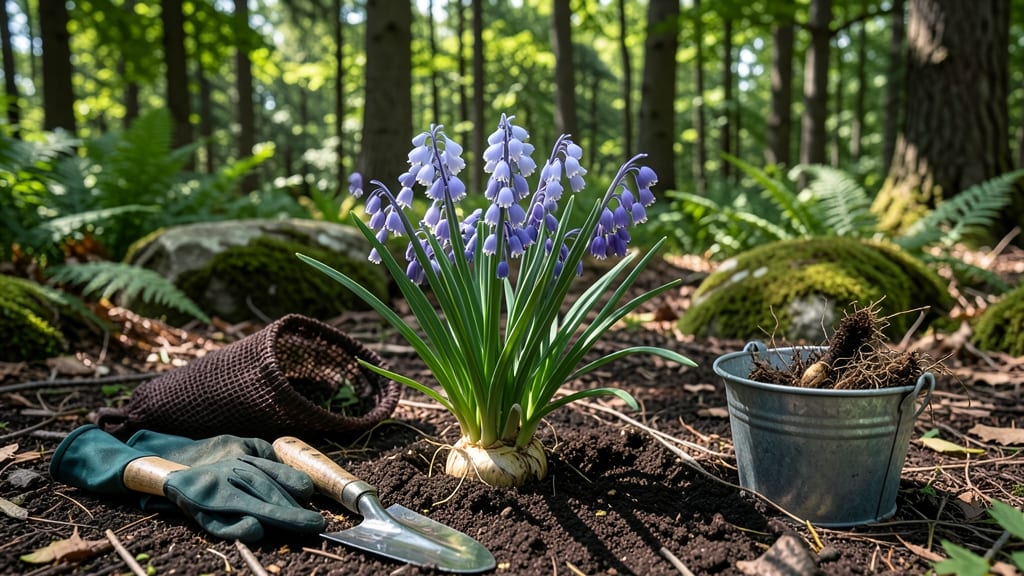
How to get rid of bluebells—struggling with their relentless spread? 🌱 The boiling water technique stops them in their tracks by killing roots on contact—no digging, no chemicals, just fast results. I’ve used this method to clear stubborn patches in just one afternoon, and the key is timing it right when the plants are actively growing.
You’ll need a large kettle or portable water heater, rubber gloves, and a sunny day for best results. The method works because boiling water penetrates the soil and denatures proteins in the roots, preventing regrowth.
It’s especially effective in spring when bluebells are in full bloom but before they set seed.
Within 24 hours, you’ll see the plants wilt completely, and after 2-3 weeks, the roots will decompose. The area stays clear for at least a season, and with repeated applications, you can eliminate even the most stubborn patches without harming nearby plants.
For gardeners concerned about native ecosystems, this method is safer than herbicides and avoids the ecological risks of chemical treatments. Just be mindful of surrounding vegetation—target only the bluebells to protect your other plants.
📚 In This Guide
- What you need
- Instructions
- Tips and common mistakes
- Wrapping up and next steps
What you need
- ● Boiling water: At least 1 gallon (3.8 liters) per targeted area (adjust based on patch size). Use fresh, hot water from a kettle or stovetop.
- ● Heavy-duty gloves: Waterproof, heat-resistant (e.g., rubber or gardening gloves rated for high temps). 1 pair to protect your hands from burns.
- ● Long-handled spoon or tongs: Metal or heat-resistant (e.g., a large ladle or kitchen spoon). Useful for stirring roots or pouring boiling water precisely.
- ● Garden trowel or small shovel: Sturdy, with a sharp edge for digging around stubborn roots. 1 unit is sufficient.
- ○ Plastic sheeting or tarp: Heavy-duty, 3–4 feet wide to cover the area after treatment (optional but recommended to smother regrowth). 1–2 sheets depending on size.
- ● Rake or hoe: For clearing debris after treatment. 1 unit.
- ● Vinegar (white, 5% acetic acid): Mix 1 part vinegar to 1 part boiling water for an extra boost against deep roots.
- ● Salt (non-iodized): Sprinkle a thin layer (½ cup per sq. ft.) over roots after boiling water treatment to dehydrate remaining plants.
- ● Mulch or cardboard: Layer over treated areas to prevent regrowth (use with plastic sheeting for best results).
- ● Safety goggles: If you’re working near sensitive plants or pets, goggles can protect your eyes from splashes.
Step-by-Step instructions for eliminating bluebells with boiling water
Here’s the fast, foolproof method I use to kill bluebells—roots and all—in just a few hours.
🌱 Step 1: Identify and Clear Surface Debris
Start by removing any loose mulch, leaves, or dead plant material from the area. Bluebells thrive in disturbed soil, so clearing debris prevents them from spreading while you work. Use a hand fork or trowel to gently loosen the top 1 inch of soil around the plants—this exposes the shallow root system without damaging deeper grass roots.
Watch for the bell-shaped flowers and long, narrow leaves that identify bluebells. These plants grow in dense clumps, so mark their perimeter with a stick or spray paint if you’re treating a large patch. This ensures you don’t miss any hidden shoots lurking just beneath the surface.
💧 Step 2: Boil Water and Apply Directly to Roots
Fill a large pot or kettle with water and bring it to a full boil. The key here is consistent heat—water must be steaming hot to kill the roots instantly. Pour the boiling water directly over the bluebells, focusing on the base of the plant and soil around the roots. Use about 1-2 gallons per square foot of infested area to ensure full coverage.
Repeat this process every 2-3 days for a week to break the root system completely. Bluebells are resilient, so one treatment rarely suffices. You’ll know it’s working when the leaves turn yellow and wilt within 24-48 hours of application. Avoid treating on windy days—boiling water can splash and damage nearby plants.
☀️ Step 3: Monitor and Retreat as Needed
After a week, inspect the treated area for any surviving shoots or new growth. If you spot green leaves or flowers, repeat the boiling water treatment immediately. Bluebells often regenerate from dormant buds, so persistence is critical. For stubborn patches, consider applying a vinegar-based herbicide (5% acetic acid) after the boiling water step to ensure total eradication.
Keep the area weed-free for at least 4-6 weeks post-treatment. Bluebells take advantage of bare soil, so mulch with cardboard or landscape fabric to suppress regrowth. If you’re treating lawn areas, overseed with grass seed after the bluebells are fully dead to restore the turf.
✂️ Step 4: Prevent Future Infestations
To stop bluebells from returning, improve soil health by adding compost or organic matter to the treated area. Healthy grass or ground cover outcompetes bluebells naturally. If they keep reappearing, consider a pre-emergent herbicide in early spring before the seeds germinate—this is the most effective long-term solution.
Real talk: Bluebells are tough, but boiling water works faster than digging or chemical sprays alone. The key is consistency—don’t skip treatments, and you’ll see results in under two weeks. Once the area is clear, maintain it vigilantly to keep those pesky blooms from staging a comeback.
Tips & tricks for eliminating bluebells effectively
Took me a while to figure these out, so here goes—these little details make all the difference when battling bluebells.
Precision in Step 1: When loosening that top 1 inch of soil, work slowly around the edges of the bluebell clumps. The roots spread horizontally, so you want to expose the entire perimeter. I learned this the hard way after missing some hidden shoots that regrew later. A hand fork works best—it gives you control without tearing up the surrounding soil.
Heat Application Strategy: For maximum effectiveness in Step 2, use a watering can or a long-spouted kettle to direct the boiling water precisely at the base of the plants. The goal is to saturate the soil around the roots—not just splash the leaves. I found that adding a splash of dish soap (just a teaspoon) to the boiling water helps it penetrate the soil better, especially in dense patches.
Timing Secret: The 24-48 hour wilting window is your best indicator of success. If you don't see yellowing within 48 hours, that means the roots weren't fully exposed or the water wasn't hot enough. Don't rush—wait the full week between treatments. I once skipped a day and ended up with stubborn regrowth that took another full week to eliminate.
Post-Treatment Maintenance: After your final treatment in Step 3, keep the area covered with landscape fabric for at least 4 weeks. This prevents sunlight from reaching any dormant buds in the soil. I use black plastic mulch for stubborn patches—it gets hot enough to kill any remaining roots while suppressing new growth. Just remember to remove it before overseeding if you're restoring lawn areas.
Pro Tips for Get Rid Of Bluebells
- Took me a while to figure these out, so here goes—these little details make all the difference when battling bluebells.
- Precision in Step 1: When loosening that top 1 inch of soil, work slowly around the edges of the bluebell clumps.
- Heat Application Strategy: For maximum effectiveness in Step 2, use a watering can or a long-spouted kettle to direct the boiling water precisely at the base of the plants.
Frequently asked questions
When is the best time to remove bluebells?
The ideal time is late spring to early summer, right after they’ve bloomed but before they set seed. This ensures you catch the roots when they’re still soft and easier to eradicate. Avoid doing it in winter—the ground is too hard, and in fall, they may regrow from seed pods.
Will boiling water kill the roots completely?
Yes, if done correctly! Boiling water penetrates deep enough to kill both the foliage and roots. However, for stubborn patches, you may need to reapply after a few weeks to ensure no regrowth. For extra insurance, follow up with a vinegar or herbicide treatment.
Are there natural alternatives to boiling water?
Try these non-toxic methods:
- Vinegar solution: Mix 1 gallon of white vinegar with 1 cup of salt and 1 tbsp of dish soap. Spray directly on the leaves and roots.
- Manual digging: Use a garden fork or trowel to pry out roots—wear gloves, as bluebell rhizomes can be sharp!
- Smothering: Cover the area with thick cardboard or mulch for 6+ months to block sunlight.
Why do bluebells keep coming back after treatment?
Bluebells spread aggressively via rhizomes (underground stems) and seeds. If you miss even a small root fragment, it can regrow. To prevent recurrence:
- Inspect the area monthly for new sprouts.
- Apply a pre-emergent herbicide in early spring.
- Consider planting competitive ground covers like clover or creeping thyme to outcompete them.
Is boiling water safe for pets or nearby plants?
Boiling water is pet-safe once cooled, but take precautions:
- Avoid pouring it near delicate plants (like roses or hostas), as the heat can damage them.
- Keep pets away until the area cools completely.
- For lawns, water the treated area afterward to cool the soil.
If you’re unsure, opt for vinegar or manual removal instead.
Wrapping up and next steps
Getting rid of bluebells doesn’t have to be a daunting task—with the right technique, like the boiling water method, you can tackle those stubborn roots and reclaim your garden with confidence! 🌱 Whether you’re dealing with a small patch or a full-blown invasion, persistence and patience will pay off.
Once the bluebells are gone, consider replanting with native, low-maintenance alternatives to keep your space thriving.
Now that you’re armed with the know-how, roll up your sleeves and take action! Start small, stay consistent, and soon, your garden will be bluebell-free—and even better than before. Happy gardening! 🌿