
Pests
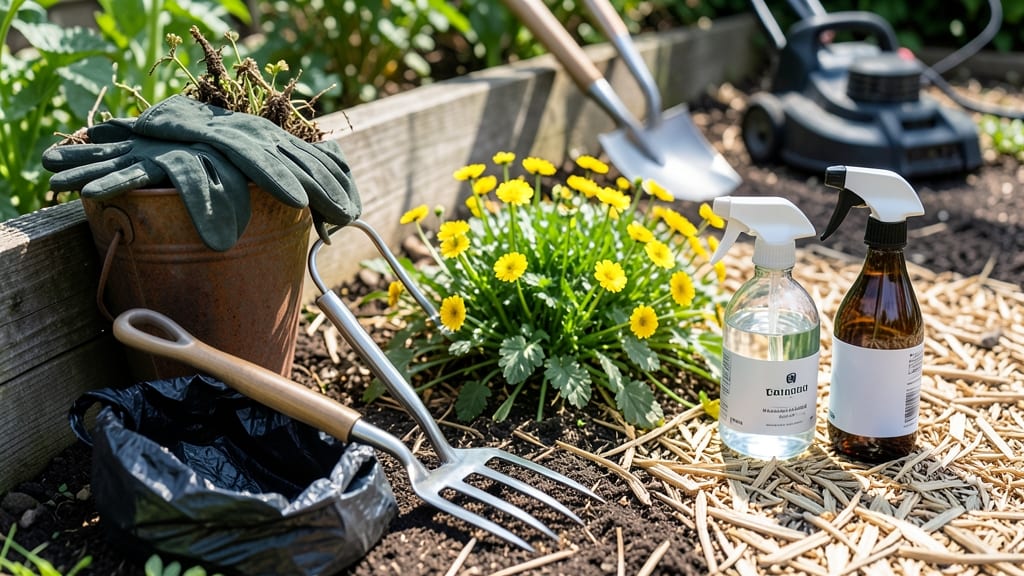
How to get rid of creeping buttercup naturally—turn your lawn into a lush green space without harsh chemicals. 🌱 I’ve battled this stubborn weed for years, and this vinegar-soaked cloth barrier finally worked where nothing else did—no chemicals, just elbow grease and science. The secret lies in smothering roots while starving regrowth. You’ll need undiluted vinegar (5% acidity), old towels or burlap, and a sunny day. Soak the cloth, lay it over the buttercup patches, and weigh it down. Within 2-4 weeks, the plants die off, and new growth stays away. What you’ll end up with is a weed-free patch that stays clear for months—no more pulling endless runners or watching it spread. The vinegar breaks down safely, leaving your soil (and conscience) intact. Works best in spring or fall when buttercup’s energy is focused on growth. For tough spots, repeat once. No more yellow invaders ruining your green space!
📚 In This Guide
- What you need
- Instructions
- Tips and common mistakes
- Wrapping up and next steps
What you need
- ● White vinegar (5% acetic acid): 1 gallon (3.8 liters) – Ensure it’s undiluted for best results.
- ● Absorbent cloth or old towels: 2-3 large pieces (cotton or microfiber works best).
- ○ Plastic sheeting or tarp: Enough to cover the infested area (optional but helpful for containment).
- ● Gloves: A pair of thick rubber or gardening gloves to protect your hands.
- ● Scissors or a utility knife: For cutting cloth/tarp to size.
- ● Watering can or hose: For wetting the area before treatment.
- ● Sunny day: Choose a warm, dry day for optimal effectiveness.
- ● Corn gluten meal: 1-2 pounds – Sprinkle after treatment to prevent regrowth.
- ● Mulch (straw or wood chips): To smother remaining weeds post-treatment.
- ● Spray bottle: For spot-treating stubborn buttercup patches.
- ● Weed barrier fabric: If you want a long-term solution for high-traffic areas.
Step-by-Step instructions for eliminating creeping buttercup naturally
Here's how I've successfully banished this invasive weed using only household items and elbow grease.
🌱 Step 1: Identify and Prepare the Treatment Area
First, confirm you're dealing with creeping buttercup by looking for its distinctive yellow flowers and deeply lobed leaves. This weed spreads aggressively through underground runners, so you'll need to treat the entire infested area—not just the visible plants. Mark the boundaries with a garden hose or string to ensure you cover every inch.
Clear away any debris and mow the area if it's part of a lawn. You want full access to the soil surface where the runners hide. I like to work on a dry day because wet soil makes the next steps messier. Wear gloves—those sap-stained leaves can irritate skin.
💧 Step 2: Apply the Vinegar Barrier Solution
Mix equal parts white vinegar and water in a spray bottle or bucket. The acidity kills the plant on contact, but you need to be strategic. Focus on the leaves first, applying the solution until they're thoroughly soaked but not dripping. For stubborn patches, add a tablespoon of dish soap per gallon of mixture—this helps the vinegar cling better.
Here's the key: don't just spray randomly. Target the leaves and stems systematically, working in rows. You'll notice the leaves turn brown within hours—that's your first sign the treatment is working. Reapply every 3-4 days for two weeks to break the plant's resistance.
✂️ Step 3: Install the Physical Barrier
Cut old towels, burlap sacks, or thick cardboard into strips about 12 inches wide. Soak these completely in the vinegar solution, then lay them directly over the treated area. The fabric should cover the entire infested zone with about 2 inches of overlap. This creates a suffocating barrier that blocks sunlight while the vinegar continues working underground.
Secure the edges with landscape staples or heavy rocks. Leave it in place for at least 4 weeks. You'll see the buttercup leaves yellow and die back—this is normal. The roots will weaken and eventually stop producing new shoots. Don't be tempted to remove the barrier early; patience is crucial here.
☀️ Step 4: Monitor and Maintain the Treated Area
After removing the barrier, inspect the area weekly for any new buttercup sprouts. Pull these immediately by their roots—creeping buttercup regenerates easily from even small root fragments. I keep a small hand trowel handy to dig out any stubborn runners I spot near the edges of the treated zone.
For prevention, overseed bare spots with a competitive ground cover like clover or creeping thyme. These plants outcompete buttercup for space and nutrients. In lawn areas, maintain proper mowing height (3-4 inches) to weaken buttercup's ability to spread. You'll know your efforts are working when you see no new yellow flowers by mid-summer.
🪴 Step 5: Long-Term Prevention Strategies
Creeping buttercup often returns if conditions favor its growth. To keep it away permanently, address the soil conditions that attract it. This weed thrives in moist, nitrogen-rich soil, so reduce watering in problem areas and avoid heavy fertilizers. I've found that adding a 2-inch layer of wood chips or straw mulch helps suppress regrowth by blocking light to any remaining roots.
Consider planting native species that form dense ground covers. Plants like ajuga or sedum create living barriers that naturally exclude buttercup. In garden beds, install edging made of metal or plastic to contain the spread if you're near untreated areas. Consistency is key—this weed won't give up easily, but with persistent effort, you can reclaim your space.
Tips & tricks for eliminating creeping buttercup naturally
Creeping buttercup can feel like a never-ending battle, but these practical tips will help you win the war without harsh chemicals. I've learned these through trial and error—don't make my mistakes!
Timing is Everything: In Step 2, when you're applying the vinegar solution, focus on treating the area during the hottest part of the day. The sun amplifies the vinegar's effectiveness by increasing evaporation, which concentrates the acid on the leaves. I've found that applying between 10 AM and 2 PM gives the best results—just be sure to reapply in the evening if you can't cover the entire area in one go. The key is consistency over a few days rather than one heavy application.
Barrier Selection Strategy: For Step 3, don't limit yourself to just towels or burlap. Old carpet scraps, heavy-duty plastic sheeting, or even layers of newspaper work surprisingly well. The goal is complete light blockage, so choose materials that won't let sunlight penetrate. I've had great success with thick black plastic sheeting—it's waterproof and lasts multiple seasons if you need to reuse it. Just make sure whatever you choose is completely soaked in the vinegar solution before laying it down.
Prevention Mindset: In Step 4, when monitoring for new sprouts, think of yourself as a detective. Creeping buttercup often sends out tiny runners that look like grass blades. I keep a small magnifying glass handy to inspect suspicious-looking plants up close. The earlier you catch these, the easier they are to pull. I've found that doing a quick 10-minute inspection every Sunday morning becomes a habit, and it makes all the difference in keeping your yard buttercup-free.
Seasonal Timing: Spring and early summer are the best times to tackle creeping buttercup because that's when it's most actively growing. However, if you spot it in fall, don't ignore it—those underground runners are still storing energy for next year. I've had to treat buttercup in late September once, and while it took longer, it prevented a major infestation the following spring. The key is to never let it go to seed, as those seeds can lay dormant for years.
Pro Tips for Get Rid Of Creeping Buttercup Naturally
- Creeping buttercup can feel like a never-ending battle, but these practical tips will help you win the war without harsh chemicals.
- Timing is Everything: In Step 2, when you're applying the vinegar solution, focus on treating the area during the hottest part of the day.
- Barrier Selection Strategy: For Step 3, don't limit yourself to just towels or burlap.
Frequently asked questions
Got questions about tackling creeping buttercup naturally? You're not alone! Here are some common concerns and straightforward answers to help you banish this pesky plant for good.
How long does it take for vinegar to kill creeping buttercup?
The effects of vinegar are usually visible within 24 to 48 hours, but full removal may take 1 to 2 weeks depending on the plant's size and root system. Reapply the vinegar-soaked cloth barrier every 3 to 5 days for best results. Patience is key—don’t rush the process!
Will vinegar harm my lawn or garden plants?
Vinegar is selective, but it can still damage nearby plants if not applied carefully. Stick to the undiluted white vinegar and use the cloth barrier method to target only the buttercup. Avoid spraying on desirable plants, and test a small area first if you're worried. For extra safety, apply early in the morning so plants have time to recover before the sun intensifies the vinegar’s effects.
What’s the best time of year to remove creeping buttercup?
The ideal time is late spring to early summer, when the plant is actively growing but before it spreads seeds. Early fall is another good window. Avoid treating in winter (dormant phase) or peak summer (drought stress), as the plant may not absorb the vinegar as effectively. Consistency matters more than timing, though!
What if the buttercup keeps coming back?
If the buttercup persists, it likely means roots or seeds remain in the soil. Dig up the area 1 to 2 inches deep around the treated spot to remove hidden roots, then reapply the vinegar barrier. For stubborn cases, consider boiling water or corn gluten meal (a natural pre-emergent herbicide) to prevent regrowth. Persistence pays off!
Are there other natural alternatives to vinegar?
Yes! If vinegar isn’t your preferred method, try these natural options:
- Boiling water: Pour directly on the plant (avoid desirable plants!).
- Salt: Mix 1 part salt to 3 parts water and spray (use sparingly—it can harm soil).
- Dish soap + water: Combine 1 tbsp soap per gallon of water for a mild herbicide.
- Manual removal: Pull weeds early (when soil is moist) and dispose of them in sealed bags.
Always monitor the area for regrowth after using alternatives.
Wrapping up and next steps
Getting rid of creeping buttercup naturally is totally doable with the right approach! By using a simple vinegar-soaked cloth barrier, you can smother and weaken these pesky weeds without harsh chemicals.
Consistency is key—keep monitoring your garden and repeating the process as needed to keep those bright yellow blooms at bay.
Now that you’re armed with this eco-friendly solution, take action today! Start small—test the method in one area, then expand as you see results. Your garden will thank you for the chemical-free victory! 🌱✨