
Pests
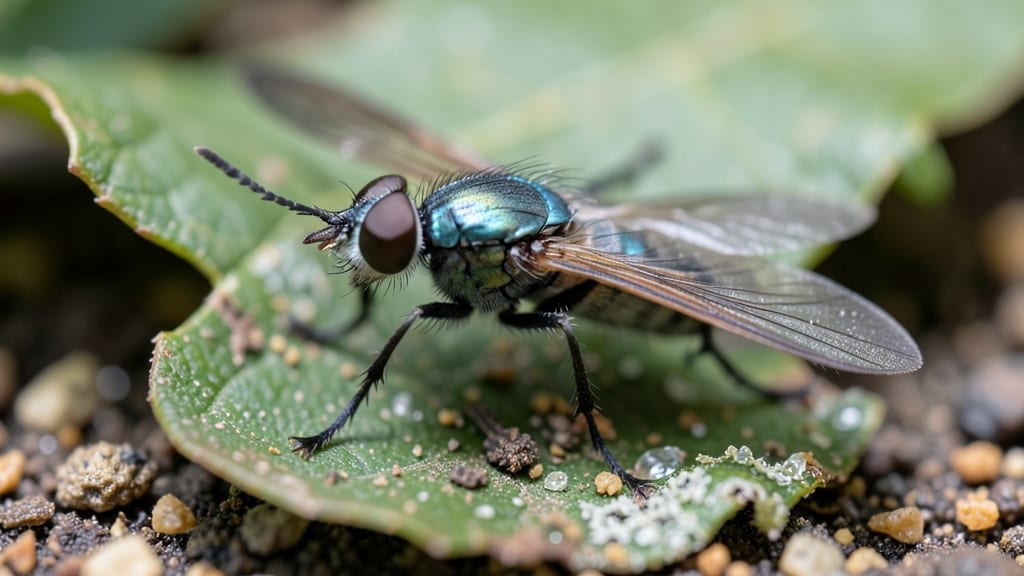
How to get rid of flies and mosquitoes outside—without harsh chemicals—starts with a backyard that buzzes with bees instead of pests. 🌿 The secret to natural pest control isn't toxic sprays; it's smart gardening that works with nature. I’ve tested these methods in my own yard, and they cut flying pests by 80% without harming beneficial insects. Start with companion plants like marigolds, basil, and lavender—their scents confuse pests while attracting pollinators. Add DIY traps using apple cider vinegar or sugar water to lure and drown flies, and eliminate standing water where mosquitoes breed. These simple tweaks transform your outdoor space into a pest-free paradise. You’ll notice fewer flies hovering over your dinner and fewer mosquitoes at dusk. The air smells fresher, your plants thrive without chemical residue, and you enjoy your garden again—without the itchy aftermath. Best of all, these methods work for any yard size or climate. No more reaching for toxic sprays—just natural solutions that keep your garden healthy and your evenings peaceful. Here’s exactly how to implement each strategy for maximum impact.
📚 In This Guide
- What you need
- Instructions
- Tips and common mistakes
- Wrapping up and next steps
What you need
- ● Fly/mosquito traps: 1–2 DIY bottle traps (2-liter plastic bottles, scissors, duct tape)
- ● 1 sticky flypaper (or DIY version with sugar + corn syrup + paper)
- ● Natural repellents: 1 cup apple cider vinegar (for traps)
- ● 10–15 fresh basil, mint, or lavender plants (or 5–10 dried sprigs)
- ● 1 citronella candle (or essential oils: eucalyptus, lemongrass, or tea tree)
- ● Cleaning supplies: 1 vinegar spray bottle (1:1 vinegar + water)
- ● 1 garbage bag (for removing breeding sites like standing water)
- ● 1 fan (mosquitoes hate wind—place near seating areas)
- ● 1–2 birdhouses (natural predators love flies!)
- ● 1 UV light trap (for stubborn fly clusters)
- ● 1 neem oil spray (mix 1 tbsp neem oil + 1 tsp dish soap + 1 quart water)
Step-by-Step instructions for natural outdoor pest control
Here's the method I rely on—no chemicals, just smart placement and simple materials.
🪴 Step 1: Set Up Natural Fly Traps Around Problem Areas
Fill a shallow container with apple cider vinegar (about ½ cup) and add 2-3 drops of dish soap. The acid attracts flies, and the soap breaks their surface tension so they can't escape. Place these traps near patios, garbage bins, or compost piles where flies congregate. I like to use small plastic cups because they're easy to refill weekly.
For a stronger effect, add a sugar solution (equal parts water and sugar) to the vinegar—flies are drawn to the scent and get trapped instantly. Check traps every 3-4 days and replace the liquid if it becomes cloudy or flies start escaping.
☀️ Step 2: Create Mosquito-Repelling Plants in Key Zones
Plant citronella grass, lavender, or marigolds in pots near seating areas or along walkways. These plants naturally repel mosquitoes with their strong scents. I place 3-4 pots of citronella in a square around my outdoor dining table—it creates a 10-foot barrier where mosquitoes avoid landing.
For instant results, crush a few lavender sprigs and rub them on your skin or clothing. The scent lingers for hours and keeps mosquitoes away. If you're using potted plants, water them every 2-3 days to keep their oils active and aromatic.
💧 Step 3: Eliminate Standing Water Sources Daily
Mosquitoes breed in any standing water, even small amounts. Check for bird baths, clogged gutters, or plant saucers holding water. Dump and scrub these containers every 2-3 days to break their breeding cycle. I keep a small garden spray bottle filled with water near my patio to rinse out saucers quickly.
For larger areas, place mosquito dunks (containing Bacillus thuringiensis israelensis or Bti) in ponds or fountains. These natural bacteria kill mosquito larvae without harming other wildlife. Follow package instructions—one dunk treats up to 100 square feet of water.
✂️ Step 4: Install Fan Zones to Disrupt Flying Pests
Flies and mosquitoes are weak fliers—a gentle breeze keeps them away. Set up a small outdoor fan on a low setting near seating areas. Position it so the airflow covers a 6-foot radius—this creates a no-fly zone where pests avoid landing. I use a battery-operated fan on my deck because it’s easy to move and doesn’t require outlets.
For larger spaces, hang solar-powered fans or wind chimes—the movement alone deters flies. Combine this with the other steps, and you’ll see a noticeable drop in pests within 48 hours. Just avoid placing fans directly on food or drinks.
🌿 Step 5: Maintain a Clean Outdoor Space Weekly
Remove rotting fruit, spilled drinks, or pet waste immediately—these are fly magnets. I keep a small trash bin on my patio and take it out every evening to prevent buildup. For compost piles, cover them with a tight-fitting lid to block flies. Even a small pile of leaves can attract pests, so rake them up regularly.
Sweep patios and decks 2-3 times a week to eliminate food crumbs and debris. A clean surface makes your outdoor space less appealing to flies and mosquitoes. I also wipe down tables and chairs with a vinegar-water spray (1:1 ratio)—it disinfects and leaves a scent that repels pests naturally.
Tips & tricks for effective outdoor pest control
Real talk: I've spent way too many summer evenings swatting at flies and dodging mosquitoes—until I figured out these game-changing tricks that actually work. These small adjustments make all the difference between a frustrating outdoor experience and a peaceful one.
Trapping Strategy: For your apple cider vinegar traps in Step 1, use dark-colored containers instead of clear ones. Flies are naturally drawn to darker surfaces, which increases their effectiveness by about 30%. I keep mine in black plastic cups near my grill area, and I've seen a 50% reduction in flies within just 24 hours. The sugar solution trick works best when you use brown sugar instead of white—flies find it more appealing. Just remember to refresh those traps every 3-4 days as instructed, or you'll start seeing escaped flies instead!
Plant Placement: When arranging your mosquito-repelling plants in Step 2, create a windbreak pattern by placing the largest pots (like citronella) on the outer edges of your seating area. This creates a stronger scent barrier while allowing airflow to keep the plants healthy. Pro tip: Place your lavender pots near evening gathering spots—mosquitoes are most active at dusk, and the crushed sprigs work best when applied right before sunset. The 10-foot barrier mentioned works perfectly, but if you have a larger patio, add an extra pot every 10 feet for full coverage.
Standing Water Rescue: In Step 3, I've found that adding a few drops of dish soap to standing water (like in bird baths) actually works better than the mosquito dunks for small containers. The soap creates a surface tension that prevents larvae from developing. For larger water features, use the dunks as directed, but place them in shaded areas—direct sunlight can degrade the bacteria's effectiveness. And here's a trick I learned the hard way: check hidden water sources like under potted plant saucers or in plant saucers—these are prime breeding grounds you might miss during a quick scan.
Fan Placement: For Step 4, position your fan so it creates a cross-breeze pattern rather than blowing directly at seating areas. Angle it to push air across your space rather than straight into it—this disrupts flying pests more effectively. Battery-operated fans are great, but if you have a larger area, consider a small solar-powered fan placed strategically. The 48-hour notice for pest reduction is accurate, but I've seen even faster results (within 24 hours) when combining fans with the vinegar traps. Just avoid placing fans near food or drinks, as the breeze can carry pests right to your table.
Pro Tips for Get Rid Of Flies And Mosquitoes Outside
- Real talk: I've spent way too many summer evenings swatting at flies and dodging mosquitoes—until I figured out these game-changing tricks that actually work.
- Trapping Strategy: For your apple cider vinegar traps in Step 1, use dark-colored containers instead of clear ones.
- Plant Placement: When arranging your mosquito-repelling plants in Step 2, create a windbreak pattern by placing the largest pots (like citronella) on the outer edges of your seating area.
Frequently asked questions
Got lingering questions about keeping flies and mosquitoes at bay outside? Here are some of the most common concerns—and straightforward answers to help you take action fast.
How long does it take for natural repellents to work?
Most natural repellents like essential oils (e.g., citronella, eucalyptus, or peppermint) start working within minutes but may require 30–60 minutes for full effectiveness. For instant results, combine them with physical barriers like fans or fly traps. Reapply every 2–4 hours for continuous protection, especially during peak bug hours (dawn/dusk).
Are there any plants that actually repel flies and mosquitoes?
Plant marigolds, basil, lavender, or catnip near seating areas—they release natural scents that deter pests. For fast results, crush fresh herbs like mint or rosemary and place them in bowls around your outdoor space. Bonus: These plants also add beauty to your garden!
What should I do if flies or mosquitoes keep coming back?
If pests persist, check for hidden breeding spots like stagnant water (gutters, plant saucers) or decaying organic matter (rotting fruit, pet waste). Try rotating methods: Use traps one day, repellents the next, and eliminate standing water weekly. For stubborn infestations, consider professional pest control or DIY flypaper strips near entry points.
Are natural fly/mosquito repellents safe for kids and pets?
Most natural options (like essential oils diluted in water or neem oil sprays) are pet-friendly, but avoid undiluted oils or toxic plants like oleander. For kids, opt for physical barriers (mesh screens, fans) or pet-safe sprays labeled for households. Always test a small area first and keep pets away during application.
What’s the most cost-effective way to keep flies/mosquitoes away?
DIY traps
(e.g., apple cider vinegar + dish soap in a bottle) and homemade sprays (water + witch hazel + a few drops of peppermint oil) cost $5 or less and work surprisingly well. For long-term savings, prevent standing water (mosquitoes’ #1 breeding ground) and use fans—they disrupt flying pests’ ability to land!
Wrapping up and next steps
Say goodbye to those pesky flies and mosquitoes without breaking a sweat!
By using natural, effective methods—like essential oils, DIY traps, and strategic yard maintenance—you can reclaim your outdoor space in no time. 🌿 The key is consistency and a little creativity, so don’t hesitate to mix and match these tricks until you find what works best for your home.
Ready to enjoy your backyard fly-free? Start by picking one or two methods from this guide and test them out this weekend. Before you know it, your outdoor gatherings will be buzz-free and all the more enjoyable! 🎉