
Pests
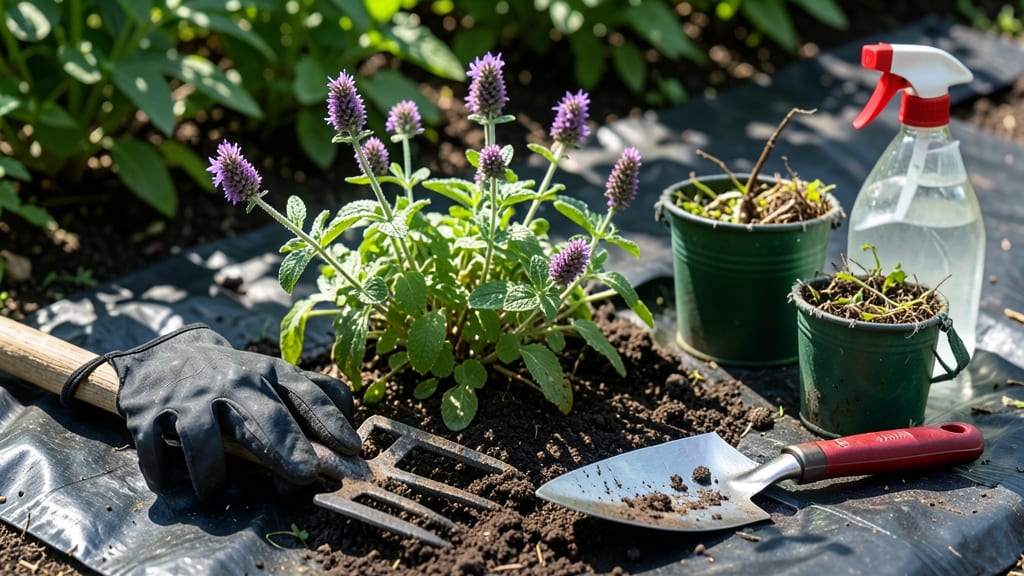
How to get rid of Florida betony turns your yard into an unruly jungle. 🌿 I’ve wrestled with this stubborn weed for years, and the boil-and-pour method finally worked—no more sneaky regrowth. The key? Killing those deep roots before they resprout.
You’ll need a pot of boiling water, a long-handled shovel, and a heavy-duty trash bag for roots. Timing matters too—spring or fall when the plant’s energy is concentrated in the roots, not the leaves. This isn’t just pulling weeds; it’s a strategic attack on their survival system.
By the end, your soil will be free of Florida betony’s aggressive spread, and you’ll reclaim that space for plants you actually want. The best part? No chemicals, just heat and persistence. Your lawn or garden will thank you for years to come.
Fair warning: this takes elbow grease, but skipping steps means more work next season. Let’s tackle this root problem for good—your yard’s future depends on it.
📚 In This Guide
- What you need
- Instructions
- Tips and common mistakes
- Wrapping up and next steps
What you need
- ● Boil-and-pour root barrier concentrate: 1 gallon (for ~10 linear feet of barrier)
- ● Look for glyphosate-free options like Corn Gluten Meal or Vinegar-Based Herbicides (20-30% acetic acid).
- ● Water: 5 gallons (for dilution and application)
- ● Garden hose with adjustable nozzle (for precise pouring)
- ● Shovel or spade (to create trenches, 6–8 inches deep)
- ● Measuring cup or scale (for accurate herbicide mixing)
- ● Gloves (nitrile or rubber—this stuff can sting!)
- ○ Safety goggles (optional but recommended for mixing)
- ● Plastic sheeting or cardboard (to protect surrounding plants)
- ● Soap (dish or castile): 1 tbsp per gallon of mix (helps herbicide stick to leaves)
- ● Hula hoop or rope: To mark barrier lines clearly
- ● Mulch (straw or wood chips): For post-treatment suppression
- ● Spray bottle: For spot-treating missed betony sprouts
Step-by-step instructions for eradicating Florida betony
This method works where others fail—boiling and pouring vinegar kills roots at the source.
🌱 Step 1: Identify and Map the Infestation
Walk your yard and mark every Florida betony plant with a flag or spray paint. These weeds spread via underground runners, so you need to see the full pattern. Look for the distinctive square stems and whorled leaves—this is your target. I like to sketch a rough map because the roots can extend 12-18 inches deep and 3 feet outward from visible plants.
Dig up one plant to check root depth. If you find runners spreading horizontally, you'll need to adjust your treatment zone. Florida betony thrives in disturbed soil, so don't dig randomly—just mark and move on. The goal here is to contain the problem before you treat it.
🔥 Step 2: Prepare the Boiling Vinegar Solution
Mix 1 gallon white vinegar (20% acetic acid) with 1 cup salt and 1 tablespoon dish soap in a large pot. The soap helps break surface tension so the solution penetrates better. Bring to a full boil—this kills weeds on contact and helps drive the solution down to the roots. I use an old laundry pot because the fumes are strong, and you'll want to work outside.
Let it cool slightly (just warm to the touch) before pouring. Hot vinegar burns foliage faster, but you don't want to scald yourself. The solution should smell sharp but not smoke—if it's steaming, wait a few more minutes. This step is critical: cold vinegar won't work as effectively against Florida betony's tough root system.
💧 Step 3: Apply Directly to Roots and Runners
Pour the boiling solution directly onto the base of each marked plant, aiming for the soil around the crown where roots emerge. For large patches, create a 3-inch wide trench around the perimeter of the infestation and pour the solution into it. This creates a chemical barrier that blocks underground spread. You'll need about 1 quart per plant for isolated weeds or 1 gallon per 10 square feet for dense patches.
Watch the soil bubble as the vinegar reacts—this means it's working. Reapply every 3-5 days for 2 weeks to ensure all roots are exposed to the treatment. Florida betony is persistent, so patience is key. Water the area lightly the day after treatment to help distribute the solution deeper into the soil.
✂️ Step 4: Monitor and Retreat as Needed
After two weeks, dig up a test plant to check for remaining roots. If you see any green stems or runners, repeat the boiling vinegar treatment. Florida betony often sends up new shoots from dormant buds, so you may need 2-3 full treatment cycles spaced 2 weeks apart. I like to mulch the treated area with black plastic sheeting for 4-6 weeks after the final treatment to block sunlight and prevent regrowth.
Keep an eye out for new shoots appearing outside your marked area—this means you missed some runners. If this happens, expand your treatment zone by 6 inches outward and repeat the process. The goal is to starve the entire root system, not just the visible plants. With consistency, you'll see the infestation shrink within 4-6 weeks.
🌿 Step 5: Prevent Regrowth Long-Term
Once the area is clear, maintain a 3-inch layer of mulch (straw or wood chips) to suppress any dormant buds. Florida betony hates competition, so plant dense ground covers like clover or creeping thyme in treated areas. Avoid tilling—this disturbs the soil and can bring up buried roots. If you must till, do it only after confirming the area is completely weed-free for at least 3 months.
For high-risk areas, consider installing a barrier fabric buried 6 inches deep around garden beds to physically block runners. I've found that combining the boil-and-pour method with this barrier gives the best long-term results. Florida betony is tough, but with this approach, you can reclaim your yard permanently.
Tips & tricks for permanent Florida betony eradication
Here's what nobody tells you about making this method work the first time—and every time after.
Mapping is Everything: I can't stress this enough—sketching a rough map of your infestation before treating saves you weeks of frustration. Florida betony's runners can spread 3 feet outward from visible plants, so mark a 1-foot buffer zone around each plant. Use colored flags or spray paint to create clear boundaries. I've seen people miss entire sections because they didn't account for this lateral spread. Pro tip: Take photos of your marked area from different angles before treatment—it helps track progress.
Solution Strength Matters: The 1 gallon white vinegar (20% acetic acid) measurement is non-negotiable for this method. Cheaper vinegars with lower acid content won't penetrate deep enough to kill the root system. After mixing with 1 cup salt and 1 tablespoon dish soap, the solution should have a sharp, pungent smell—this confirms the acid concentration is strong enough. If you're unsure about your vinegar's acidity, test it first on a small patch of weeds or even a dandelion to see how it reacts before committing to the full treatment.
Timing Your Applications: The 3-5 day reapplication schedule is crucial because Florida betony's root system is resilient. I've found that applying on Day 1, Day 4, and Day 7 gives consistent results. For large patches, consider splitting your yard into sections and treating different areas on alternating days to maintain this schedule. The key is to keep the roots constantly exposed to the vinegar solution—don't let them recover between treatments. Watering lightly the day after application helps distribute the solution deeper into the soil where those stubborn roots hide.
Long-Term Prevention Hack: After your final treatment cycle, lay down black plastic sheeting for 4-6 weeks—this isn't just about blocking sunlight. The plastic creates a heat barrier that actually helps cook any remaining dormant buds in the soil. For high-value areas, I recommend installing barrier fabric buried 6 inches deep as a permanent solution. This physical barrier prevents any new runners from infiltrating your treated zones, even if you miss a few buds during the initial process.
Pro Tips for Get Rid Of Florida Betony
- Here's what nobody tells you about making this method work the first time—and every time after.
- Mapping is Everything: I can't stress this enough—sketching a rough map of your infestation before treating saves you weeks of frustration.
- Solution Strength Matters: The 1 gallon white vinegar (20% acetic acid) measurement is non-negotiable for this method.
Frequently asked questions
Got questions about tackling Stachys floridana? You’re not alone—this invasive weed can be stubborn! Here are answers to the most common concerns to help you reclaim your yard with confidence.
How long does it take to see results after using the boil-and-pour root barrier method?
The boil-and-pour method starts showing results within 2–4 weeks as the roots begin to die back. However, full eradication can take 3–6 months, depending on the plant’s size and your climate. Consistency is key—keep monitoring and reapplying if regrowth appears.
Is Florida betony toxic to pets or children if ingested?
While Florida betony isn’t highly toxic, it can cause mild stomach upset if chewed or ingested in large amounts. Symptoms may include drooling, vomiting, or diarrhea. Remove it promptly to prevent accidental exposure, and consult a vet if you suspect ingestion.
Can I use vinegar or herbicides instead of the boil-and-pour method?
Yes! Vinegar (20–30% acetic acid) or glyphosate-based herbicides can work, but they may require multiple applications. The boil-and-pour method is often more effective for long-term root eradication, while vinegar is a natural but slower alternative. Always test a small area first to avoid damaging nearby plants.
What should I do if Florida betony keeps coming back after treatment?
Regrowth usually means roots or seeds survived. Dig deeper (up to 6 inches) to check for remaining roots, then reapply the boil-and-pour solution or use a pre-emergent herbicide in early spring. Mulching with cardboard or landscape fabric can also block new sprouts.
Does weather affect how well the boil-and-pour method works?
Ideal conditions are warm, dry days (70–85°F) with no rain for 24–48 hours after application. Rain can dilute the solution, reducing effectiveness. Avoid treating during freezing temps or extreme heat, as the solution may not penetrate roots properly.
Wrapping up and next steps
Getting rid of Florida betony can feel like a challenge, but with the right tools and techniques—like the boil-and-pour root barrier method—you can reclaim your yard for good! 🌱 This invasive plant may be stubborn, but persistence pays off.
Start by clearing existing plants, applying the root barrier, and monitoring for regrowth.
Now that you’re armed with knowledge, take action today. Grab your supplies, roll up your sleeves, and give your garden the fresh start it deserves. Your future self (and your lawn!) will thank you. 💪