
Companion Plants
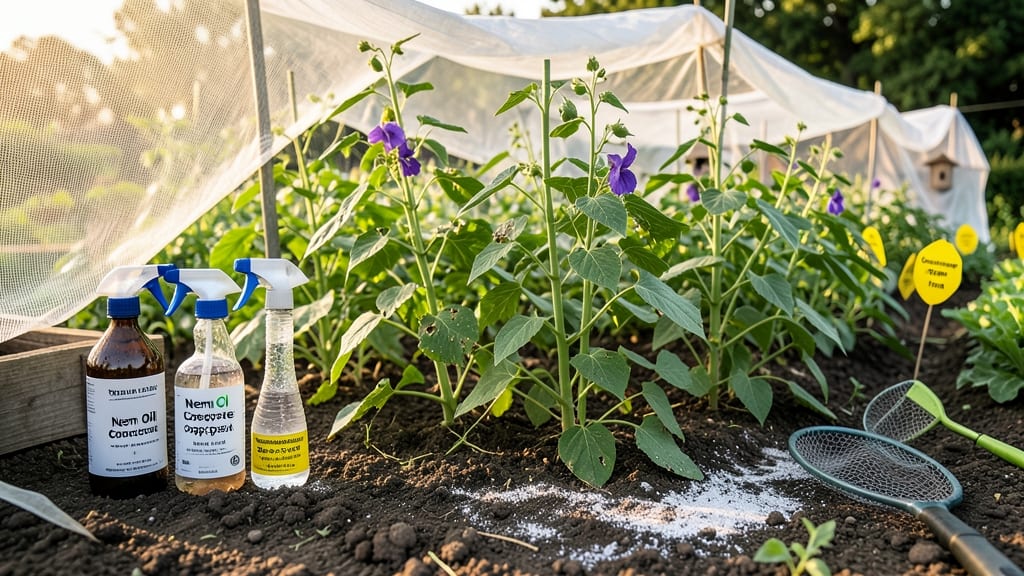
How to get rid of grasshoppers on plants without harming your garden’s ecosystem—here’s the solution I’ve perfected after years of battling those striped munchers. 🌱 I’ve tested everything, and the key isn’t brute force but smart, non-toxic barriers that actually work.
Start with companion plants like marigolds, garlic chives, or catnip—they repel grasshoppers naturally. Add physical barriers like fine netting or copper tape around vulnerable plants. Even a soapy water spray (1 tsp dish soap per quart of water) knocks them off without killing beneficial insects.
By combining these methods, you’ll see fewer grasshoppers within a week, and your plants will bounce back stronger. The best part? No harsh chemicals, just eco-friendly tactics that keep your garden—and your conscience—happy.
Works for veggies, flowers, and even houseplants on patios. Here’s how to set up your defense system step by step.
📚 In This Guide
- What you need
- Instructions
- Tips and common mistakes
- Wrapping up and next steps
What you need
- ● Companion plants: 5–10 plants of marigolds, catnip, garlic, basil, or mint (depending on garden size).
- ● Neem oil (100% cold-pressed): 1–2 bottles (16 oz each) for spraying.
- ● Hose with a spray nozzle (for even application of neem oil or soapy water).
- ● Diatomaceous earth (food-grade): 1–2 lbs (fine powder for barrier application).
- ● Gloves (nitrile or rubber) (to protect hands from oils and powders).
- ● Pruning shears (for trimming infested plants or creating barriers).
- ● Row covers (floating fabric): Lightweight mesh (1–2 yards) to shield vulnerable plants.
- ● Sticky traps (yellow or blue) (to monitor and reduce grasshopper populations).
- ● Dish soap (mild, unscented): 1 tbsp for homemade soapy water spray.
- ● Plant clippings or mulch (to create physical barriers around garden edges).
- ● Spray bottle (16 oz) (for targeted applications of neem oil or soapy water).
Step-by-Step instructions for creating natural grasshopper barriers
Here’s how to protect your garden without chemicals—using physical and environmental strategies that actually work.
🪴 Step 1: Install Physical Barriers Around Plants
Grasshoppers hop over soil but struggle with obstacles. Wrap the base of vulnerable plants with fine mesh netting or copper tape (1–2 inches wide) to create a barrier they can’t jump over. For seedlings or low-growing plants, use row covers secured with stakes or bricks to prevent them from tunneling underneath.
Focus on young plants first—they’re the most delicate. I like to use lightweight bird netting because it lets air and water through while blocking grasshoppers. Secure it tightly; even a small gap lets them slip through. Check weekly for tears and repair as needed.
☀️ Step 2: Create a Deterrent Plant Ring
Grasshoppers avoid strong-smelling herbs and flowers. Plant a 12-inch-wide ring of lavender, marigolds, or catnip around your garden’s perimeter. These plants repel grasshoppers naturally while adding beauty. For container gardens, place pots of these herbs near high-risk plants.
You’ll notice fewer grasshoppers near these plants within a few days. The key is consistency—patchy plantings won’t create an effective barrier. If space is limited, use potted herbs placed strategically around your garden’s edges.
💧 Step 3: Use Water Traps Strategically
Grasshoppers are attracted to moisture but drown easily. Place shallow dish traps (like saucers) filled with soapy water near problem areas. The soap reduces surface tension, making it harder for them to escape. Refresh the water every 2–3 days to maintain effectiveness.
Position traps 1–2 feet from plants—close enough to catch grasshoppers hopping around but far enough to avoid damaging roots. This method works best in dry climates where grasshoppers seek out water sources. For larger gardens, use multiple traps in a grid pattern.
⏰ Step 4: Introduce Natural Predators
Encourage grasshopper-eating birds like sparrows, robins, or purple martins by installing birdhouses or nesting boxes near your garden. These birds will naturally reduce grasshopper populations. Avoid pesticides—even organic ones—to keep predators safe.
You’ll see results within 2–3 weeks if birds take up residence. Supplement with mealworms in feeders to attract more predators. This method is the most sustainable long-term solution, but it requires patience and a commitment to chemical-free gardening.
✂️ Step 5: Maintain and Monitor Regularly
Check your barriers and traps every 3–4 days during peak grasshopper season (late summer). Remove fallen leaves or debris that could shelter grasshoppers, and repair any damaged netting. If you spot clusters of grasshoppers, handpick them early in the morning when they’re sluggish.
This is where most gardeners fail—consistency is key. A single missed check can undo weeks of effort. Keep a small spray bottle of soapy water handy for quick knockdowns if needed. With regular maintenance, your garden will stay grasshopper-free all season.
Tips & tricks for natural grasshopper control
These practical strategies will help you maximize your garden's protection while keeping your plants thriving.
Barrier Placement: When installing your 1–2 inch-wide copper tape or fine mesh netting in Step 1, focus on the plant stems rather than the soil surface. Grasshoppers often climb upward, so wrapping the lower 6-8 inches of stems creates an impenetrable barrier. For delicate seedlings, use row covers secured tightly with bricks or stakes—this prevents them from burrowing underneath while still allowing sunlight and water to reach the plants. I've found that adding a second layer of netting around the base of young plants doubles protection during peak hopping season.
Deterrent Plant Selection: In Step 2, while lavender, marigolds, and catnip are excellent choices, don't overlook basil, thyme, or rosemary as additional options for your 12-inch-wide plant ring. These herbs not only repel grasshoppers but also attract beneficial insects like ladybugs and lacewings. For container gardens, place these herbs in pots near vulnerable plants—their strong scents create an invisible protective zone. Remember to rotate your herb pots occasionally to maintain even scent distribution around your garden perimeter.
Water Trap Optimization: The soapy water traps in Step 3 work best when placed near grasshopper hotspots—look for areas with dry, cracked soil where grasshoppers congregate. Use shallow dishes (like old saucers) rather than deep containers, as grasshoppers are strong fliers and can escape from deeper water. Refresh the soapy water every 2–3 days to maintain effectiveness, and consider adding a few drops of dish soap to increase surface tension reduction. Place traps in a grid pattern for larger gardens, spacing them about 5–6 feet apart for maximum coverage.
Predator Attraction Timing: When introducing natural predators in Step 4, time your birdhouse installations carefully. Set up nesting boxes in early spring to give birds ample time to establish territories before grasshopper season peaks. Supplement with mealworms in feeders during late summer when grasshoppers are most active—this provides an immediate food source to attract predators. I've seen dramatic reductions in grasshopper populations within 2–3 weeks of consistent bird activity, particularly when combining birdhouses with the other barrier methods.
Pro Tips for Get Rid Of Grasshoppers On Plants
- These practical strategies will help you maximize your garden's protection while keeping your plants thriving.
- Barrier Placement: When installing your 1–2 inch-wide copper tape or fine mesh netting in Step 1, focus on the plant stems rather than the soil surface.
- Deterrent Plant Selection: In Step 2, while lavender, marigolds, and catnip are excellent choices, don't overlook basil, thyme, or rosemary as additional options for your 12-inch-wide plant ring.
Frequently asked questions
about grasshopper control—because even the best-laid garden plans need a little troubleshooting! Here are answers to the most common questions to help you keep your plants safe and thriving.Are grasshoppers harmful to all plants, or do they target specific ones?
Grasshoppers are generalists—they’ll munch on almost any plant, but they love tender, fast-growing veggies like beans, corn, and lettuce. They also adore ornamental plants such as roses, marigolds, and sunflowers. Companion planting (like pairing basil with tomatoes) can deter them by confusing their senses or masking plant scents.
How quickly will natural remedies like neem oil or companion plants work?
Results vary! Physical barriers (like row covers) work immediately, while neem oil or soapy water sprays may take 24–48 hours to repel grasshoppers. Companion plants (e.g., garlic, thyme, or catnip) build up over time—plant them before grasshoppers arrive for the best protection. Patience is key!
What’s the safest way to remove grasshoppers by hand without hurting myself?
Grab a damp towel or paper towel (grasshoppers are slippery!) and gently scoop them into a bucket of soapy water. Wear gloves to avoid their sharp legs. Timing matters: Early morning (when they’re sluggish) or after rain (when they’re slow) makes this easier. Pro tip: Drop them far from your garden to avoid re-infestation.
Will grasshoppers come back after I’ve treated my plants once?
Yes! Grasshoppers are persistent, so consistency is critical. Reapply neem oil every 7–10 days or replenish companion plants as they grow. Monitor your garden weekly—remove eggs (laid in soil) in spring to break their life cycle. Diversity helps: Mix up your plant varieties to reduce attractiveness.
What if natural methods aren’t working? Are there chemical-free alternatives?
Try these low-impact backup plans:
- Diatomaceous earth (DE): Sprinkle food-grade DE around plants—it dehydrates grasshoppers but is safe for soil and pets once settled.
- Chicken or duck manure: Scatter in beds to attract beneficial nematodes that prey on grasshopper eggs.
- Pheromone traps: Use commercial traps to lure and capture adults (check local regulations first).
Wrapping up and next steps
You’ve got all the tools to protect your garden naturally—no harsh chemicals needed! 🌿 From planting grasshopper-repelling companions like marigolds and basil to creating DIY barriers with neem oil or row covers, these methods keep your plants safe while supporting a healthier ecosystem.
Remember, consistency is key, so check your garden regularly and adjust as needed.
Now that you’re armed with knowledge, take action today! Start small—try one or two strategies this week and observe the difference. Your garden (and your plants) will thank you! 🌱✨