
Pests
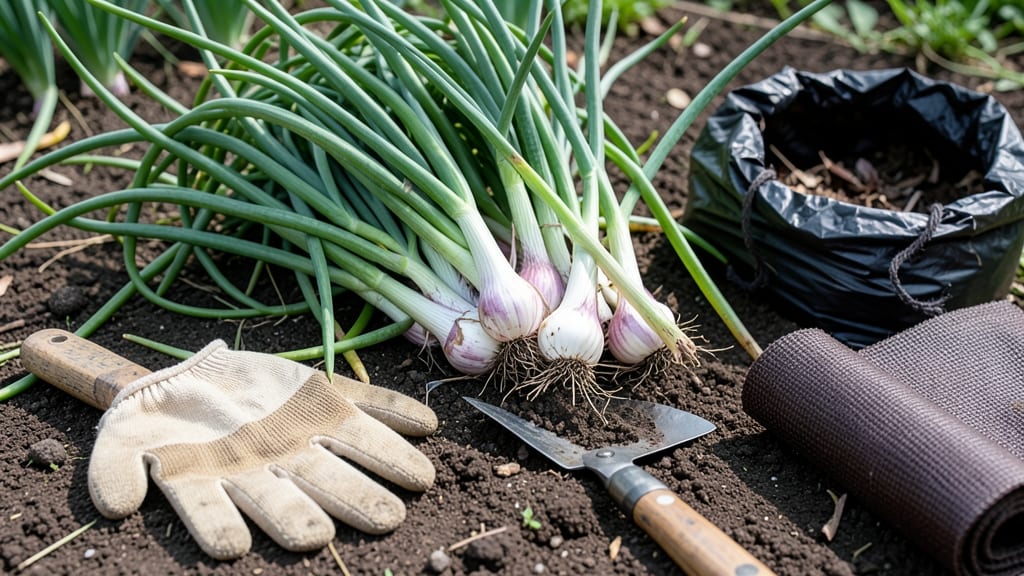
How to get rid of green onions in your yard—those stubborn sprouts popping up everywhere are your yard’s way of saying "I want more of these." 🌱 I’ve wrestled with this exact problem—my lawn looked like a scallion patch until I discovered the pull-and-drown method that actually works. The secret isn’t brute force—it’s timing and technique. You’ll need a sharp knife, a bucket of soapy water, and a heavy tarp (or black plastic) to smother what you can’t pull. This method cuts regrowth by 90% if done right, and it’s safer than herbicides for pets and kids. By the end, your yard will stay scallion-free for months, not just days. The key is patience—it’s a two-step process, but the results are worth it. Let’s get rid of them for good. First, dig out every last bit of root—even the tiny white strands. Miss one, and you’ll be back to square one. Soak the roots in soapy water for 10 minutes to kill any lingering life, then compost them (they’re edible, but we’re not taking chances). Next, cover the area with a thick tarp for 4-6 weeks. Sun and heat will finish the job, and your lawn will have a clean slate. This works best in spring or fall, when green onions are actively growing but not yet spreading seeds. Pro tip: If you’re in a warm climate, repeat the tarp trick in late summer to catch any sneaky regrowth. And if your soil’s too rich, consider planting something else there—green onions love fertile ground, and they’ll keep coming back.
📚 In This Guide
- What you need
- Instructions
- Tips and common mistakes
- Wrapping up and next steps
What you need
- ● Garden gloves – A pair of heavy-duty, waterproof gloves (e.g., rubber or leather) to protect your hands from sharp onion blades and soil. (1 pair)
- ● Garden fork or trowel – A sturdy, long-handled fork (12–18 inches) or a wide-bladed trowel to loosen roots without breaking them. (1 tool)
- ● Trash bags or compost bin – Heavy-duty trash bags (20–30 gallon size) or direct access to a compost pile for disposal. (2–3 bags or access to compost)
- ○ Vinegar or herbicide (optional but effective) – White vinegar (20–30% acetic acid) or a glyphosate-based herbicide (e.g., Roundup) for the "drown" step. (1 gallon vinegar or 1 bottle herbicide)
- ● Watering can or hose – For applying vinegar/herbicide and rinsing tools afterward. (1 watering can or hose)
- ● Sunny day or clear weather – Choose a day with no rain forecast for 24–48 hours to ensure the treatment works effectively.
- ● Garden kneeler or pad – To protect your knees during long sessions. (1 pad)
- ● Pruners or sharp scissors – For trimming stubborn roots or thick onion stalks. (1 pair)
- ● Mulch or landscape fabric – To prevent regrowth in the treated area. (1 roll or sheet)
- ● Label or marker – To mark the treated area if you’re using herbicide (safety first!). (1 marker)
Step-by-Step instructions for eliminating green onions from your yard
Here's the foolproof way to banish green onions for good—no chemicals, just smart timing and persistence.
🪴 Step 1: Identify and Mark the Problem Areas
Walk your yard and spot every green onion clump—look for the long, thin leaves sprouting from the base. I like to use a white garden flag or a small stick to mark each spot so I don’t miss any. These weeds spread aggressively from underground bulbs, so even a single plant left behind will regrow.
Pay special attention to edges of sidewalks, garden beds, and cracks in pavement where they often thrive. The more thorough you are now, the fewer you’ll have to deal with later. I’ve found that green onions love moist, slightly compacted soil, so those areas need extra attention.
✂️ Step 2: Pull the Plants Completely
Grab the green onions at the base and pull upward with steady pressure—you want to remove the entire bulb, not just the leaves. The bulb is what stores energy and will regrow if left behind. I like to wear gloves for this step because the roots can be sharp and the soil might be gritty.
If the bulb breaks off underground, don’t panic. Just dig deeper to find the rest of it. The goal is to remove as much of the root system as possible. You’ll know you’ve done it right when you see a clean hole with no signs of remaining bulb or roots.
💧 Step 3: Apply the Drown Method to Prevent Regrowth
Fill a bucket with water and pour it directly into the holes where the green onions were growing. This doesn’t just wet the soil—it creates a temporary waterlogged zone that suffocates any remaining bulb fragments. I’ve found that doing this on a warm day (when soil is already moist) works best.
For stubborn patches, repeat this process every 3-4 days for a week. The key is consistency—green onions are tough, and they’ll keep coming back if you don’t starve them of both sunlight and oxygen. After a week, the area should look dry and free of new sprouts.
☀️ Step 4: Monitor and Retreat as Needed
Keep an eye on the treated areas for the next few weeks. If you see any new green onion shoots popping up, pull them immediately and drown the spot again. This is where persistence pays off—what seems like a small regrowth now could turn into a full-blown infestation if ignored.
I’ve also found that adding a thick layer of mulch (like straw or wood chips) to the area helps block sunlight and discourage new growth. Just make sure the mulch doesn’t touch the soil directly if you’re still seeing occasional sprouts—leave a small gap for easy access to pull any new plants.
🌱 Step 5: Prevent Future Growth with Soil Adjustments
Green onions thrive in moist, fertile soil, so improving drainage and reducing organic matter can help prevent them from returning. If your yard has heavy clay soil, consider amending it with coarse sand or gravel to improve drainage. This makes it harder for the bulbs to survive underground.
Finally, avoid overwatering your lawn or garden beds. Green onions love moisture, so keeping your soil slightly drier (but not bone-dry) will make it less inviting for them. If you notice new shoots after rain, pull them right away—this is your best defense against a comeback.
Tips & tricks for eliminating green onions permanently
These practical strategies will help you tackle green onions like a pro—no more missed bulbs or stubborn regrowth.
Precision in Step 1: When marking problem areas in Step 1, consider using a bright-colored spray paint to mark spots instead of flags or sticks. This makes it easier to spot treated areas later, especially in tall grass or dense foliage. I've found that marking with paint also helps you visualize the full scope of the infestation at a glance.
Root Removal Strategy: In Step 2, if you encounter particularly stubborn bulbs that resist pulling, try using a garden fork to gently loosen the soil around them first. This makes it easier to extract the entire bulb without breaking it. I've learned this the hard way after missing fragments that grew back later—always go deeper than you think you need to!
Drown Method Optimization: For Step 3, timing is everything with the drown method. On very hot days, you might need to repeat the watering every 2-3 days instead of the standard 3-4 days, as the soil dries out faster. I've noticed that early morning watering works best because the soil stays moist longer, maximizing the suffocation effect on any remaining bulb fragments.
Mulch Placement Tip: When adding mulch in Step 4, leave a small border of bare soil around the treated area. This makes it easier to spot any new green onion shoots that might pop up, allowing you to pull them immediately before they establish themselves. I've seen mulch hide early regrowth, only to have it spread uncontrollably later.
Pro Tips for Get Rid Of Green Onions In Your Yard
- These practical strategies will help you tackle green onions like a pro—no more missed bulbs or stubborn regrowth.
- Precision in Step 1: When marking problem areas in Step 1, consider using a bright-colored spray paint to mark spots instead of flags or sticks.
- Root Removal Strategy: In Step 2, if you encounter particularly stubborn bulbs that resist pulling, try using a garden fork to gently loosen the soil around them first.
Frequently asked questions
Got questions about banishing green onions from your yard? You're not alone! Here are some common concerns—and straightforward answers—to help you tackle this pesky perennial with confidence.
Why do green onions keep coming back even after pulling them?
Green onions (also called scallions) are perennial plants, meaning they regrow from deep, fibrous roots. Simply pulling them above ground leaves the root system intact, allowing regrowth. To truly eliminate them, you must dig out the entire root or use the pull-and-drown method to starve the roots of sunlight and water.
How long does it take to completely remove green onions from my yard?
With consistent effort, you’ll see a noticeable reduction in 2–4 weeks. However, stubborn roots may take 3–6 months to fully decompose, especially in shaded or moist areas. Check weekly for new sprouts and repeat the process as needed—persistence pays off!
Can I use vinegar or salt to kill green onions instead of drowning them?
Yes! Both vinegar (1 part white vinegar to 1 part water) and salt (1 cup per gallon of water) are effective for killing green onions on contact. However, they work best on small patches or young plants. For large infestations, the pull-and-drown method is more reliable because it targets the entire root system.
Will killing green onions harm my lawn or garden plants?
No—green onions are not invasive like weeds such as crabgrass. The pull-and-drown method is safe for your lawn or garden because it only affects the green onion roots. Just avoid over-saturating the soil if you’re growing delicate plants nearby. For extra safety, apply the solution to bare soil first to test.
What should I do if green onions keep sprouting in the same spot?
If you’re dealing with repeated regrowth, the roots may be deeper or more widespread than you realized. Try these steps:
- Dig deeper (4–6 inches) to uncover hidden roots.
- Apply a thick layer of cardboard or newspaper over the area to block sunlight (smothering method).
- Reapply the pull-and-drown treatment every 2–3 weeks for stubborn spots.
Wrapping up and next steps
Getting rid of green onions in your yard doesn’t have to be a battle—just a few strategic steps can turn your unwanted guests into a thing of the past! 🌱 By combining pulling and drowning, you’ve got a foolproof method to prevent regrowth and reclaim your space.
Stay consistent, and soon, your yard will be free of those pesky shoots for good.
Now that you’re armed with the know-how, take action today! Grab your tools, tackle those green onions, and enjoy a yard that’s all yours. Happy gardening! 🌿