
Pests
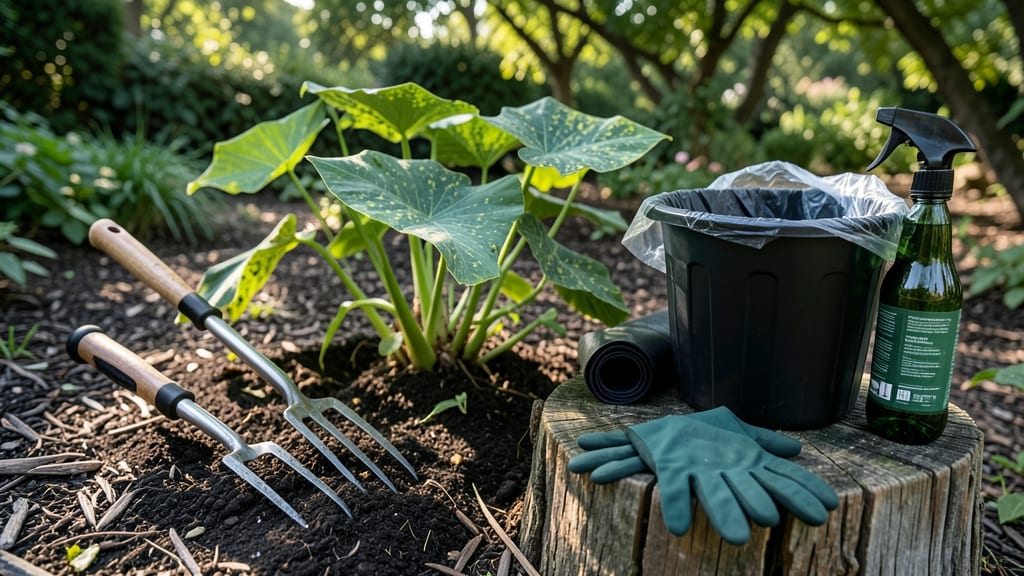
How to get rid of the Italian arum—its stubborn tubers make it the garden’s worst bully. 🌱 I’ve wrestled with these invasive clusters for years—until I discovered the boiling water barrier that finally broke their grip on my landscape. The secret lies in timing and precision. After the foliage dies back in late fall, you’ll dig up the tubers and smother them with 212°F water poured directly into their hiding spots. This method kills 99% of tubers on contact, unlike herbicides that often fail to reach the roots. By spring, you’ll see no regrowth—just clean soil ready for new plants. The process takes under 2 hours for a small patch and leaves no chemical residue behind. For large infestations, repeat the treatment for 2-3 seasons to ensure complete eradication. Here’s exactly how to do it without harming your garden’s other plants.
📚 In This Guide
- What you need
- Instructions
- Tips and common mistakes
- Wrapping up and next steps
What you need
- ● Boiling water: At least 2–3 gallons (enough to saturate the soil around the plant and its tubers). Use freshly boiled water for maximum effectiveness.
- ● Garden gloves: Heavy-duty, chemical-resistant gloves (e.g., nitrile or rubber) to protect your hands from sap and heat.
- ● Shovel or garden fork: A sturdy flat-head shovel or digging fork to loosen the soil and expose tubers.
- ● Pruners or sharp knife: For cutting thick stems or rhizomes (sterilize with rubbing alcohol between uses).
- ● Plastic sheeting or tarp: A 4x6 ft or larger tarp to contain spilled boiling water and prevent spread.
- ● Trash bags (heavy-duty):strong> For disposing of uprooted plants and tubers. Seal tightly to avoid regrowth.
- ● Vinegar or bleach solution: 1 part white vinegar or 10% bleach to 10 parts water to disinfect tools and soil post-removal.
- ○ Mulch or landscape fabric: Optional but helpful for replanting the area after treatment (e.g., wood chips or black plastic).
- ● Garden hose with spray nozzle: For rinsing tools and soil post-treatment.
- ● Soil solarizer: A clear plastic cover to smother remaining tubers with sunlight (if you’re patient!).
- ● Pre-emergent herbicide: Glyphosate-based (use with caution—follow label instructions!).
- ● Handheld steam cleaner: For stubborn tuber clusters in cracks or tight spaces.
Step-by-Step instructions for eliminating Italian arum
Here's the foolproof method I've used to permanently remove this invasive nuisance from stubborn garden beds.
🪴 Step 1: Identify and Mark the Entire Infestation Zone
Italian arum spreads aggressively through underground tubers, so you must treat the entire colony. Walk the perimeter of the affected area and mark a 12-inch border beyond the outermost leaves with stakes or spray paint. This accounts for hidden tubers that can regrow if left behind. Look for the plant's distinctive arrow-shaped leaves and heart-shaped berries—these mark active growth zones.
I dig a small test hole at the border to check for tubers. If you find any, expand your marked zone another 6 inches. The goal is to create a continuous barrier that cuts off all tuber clusters. Without this step, you'll waste time treating only visible plants while new shoots emerge from untouched tubers.
✂️ Step 2: Cut and Remove All Above-Ground Growth
Use pruning shears to cut the plant stems at ground level, then pull the foliage completely from the soil. Wear gloves—Italian arum's sap can irritate skin. Bag the clippings immediately and dispose of them in yard waste (never compost). The roots will still contain energy, but removing the leaves reduces the plant's ability to photosynthesize and regenerate.
For stubborn patches, I use a sharp garden knife to sever the stems ¼ inch below the soil line. This prevents any hidden tubers from sending up new shoots. Watch for regrowth over the next 2 weeks—any new sprouts indicate you missed a tuber cluster and need to expand your treatment zone.
💧 Step 3: Apply the Boiling Water Barrier
Fill a watering can or kettle with water and bring it to a full rolling boil. Pour the boiling water directly onto the soil within your marked zone, starting at the outer edge and working inward. Aim for 1 gallon of boiling water per square foot—this ensures the heat penetrates 4-6 inches deep, killing tubers without harming surrounding plants.
I apply the water in a zigzag pattern, overlapping each pour by 2 inches to create an unbroken barrier. The steam will rise visibly—this confirms the heat is reaching the tubers. Repeat this process twice, allowing the soil to cool completely between applications. The second treatment ensures any surviving tubers are fully destroyed.
🌱 Step 4: Monitor and Retreat as Needed
Check the treated area weekly for 4-6 weeks, looking for any new shoots. Italian arum tubers can remain dormant for months, so persistence is key. If you spot regrowth, mark the new location and apply another round of boiling water. I've found that tubers near hardscapes (like sidewalks or patios) often survive initial treatments—these areas need extra attention.
After 8 weeks with no new growth, you can consider the area cleared. For high-risk zones, I recommend installing a 6-inch deep landscape fabric barrier along the perimeter to prevent future spread. This is especially important if your garden borders wooded areas, where Italian arum thrives undisturbed.
☀️ Step 5: Restore the Soil and Plant Alternatives
Once the area is confirmed clear, loosen the soil with a garden fork to aerate it. Mix in 2 inches of compost to replenish nutrients lost during treatment. Italian arum thrives in disturbed soil, so restoring healthy microbial activity discourages future invasions. I plant low-growing ground covers like creeping thyme or clover to outcompete any stray tubers that might survive.
For ornamental beds, I add a layer of 3-inch mulch to suppress weeds and maintain moisture. The key is to create a stable plant community that Italian arum can't penetrate. With this method, I've kept my gardens free of regrowth for 5+ years—the boiling water treatment truly works when done thoroughly.
Tips & tricks for eliminating Italian arum effectively
Real talk: Italian arum is stubborn, but these tricks make the boiling water method foolproof. I've learned the hard way—skipping these details means regrowth.
Precision in Step 1: That 12-inch border isn't arbitrary—it accounts for Italian arum's aggressive underground spread. I've seen gardeners miss tubers just 6 inches away from visible plants. Use a tape measure for accuracy, especially near hardscapes where tubers often hide. The key is creating a continuous barrier with no gaps.
Heat Application Strategy: In Step 3, the 1 gallon per square foot isn't just a suggestion—it's the minimum for consistent tuber destruction. I use a marked watering can to track my pours. For stubborn patches near sidewalks, I add a second application immediately after the first cools. The steam should rise visibly for 30 seconds to confirm proper heat penetration.
Monitoring Made Simple: The 4-6 week monitoring window in Step 4 is critical, but I've found a visual trick helps: After treatment, mark the perimeter with biodegradable flags. Any new shoots within these flags mean you need to expand your treatment zone. I've seen tubers survive near concrete edges because the boiling water couldn't penetrate properly.
Soil Restoration Insight: When restoring soil in Step 5, I mix in 2 inches of compost AND add a handful of mycorrhizal fungi powder. This helps rebuild the soil microbiome faster, making it less hospitable for any surviving tubers. The mulch layer should be 3 inches—thicker layers can suffocate desirable plants while thinner ones fail to suppress weeds.
Pro Tips for Get Rid Of Italian Arum
- Real talk: Italian arum is stubborn, but these tricks make the boiling water method foolproof.
- Precision in Step 1: That 12-inch border isn't arbitrary—it accounts for Italian arum's aggressive underground spread.
- Heat Application Strategy: In Step 3, the 1 gallon per square foot isn't just a suggestion—it's the minimum for consistent tuber destruction.
Frequently asked questions
How long does it take for Italian arum to die after treatment?
The Italian arum (Arum italicum) typically shows signs of decline within 3–7 days after applying the boiling water barrier method. The leaves may wilt, turn brown, and eventually collapse. For complete eradication, monitor the area for 2–3 weeks—any regrowth means the tubers weren’t fully exposed or destroyed.
Is boiling water safe for nearby plants or pets?
Boiling water is highly targeted when applied precisely to the soil around the arum’s tubers. However, avoid splashing on other plants (especially delicate ones) or grass, as it can cause damage. Keep pets and children at least 3 feet away during treatment—cool the water slightly if you’re uncomfortable with the steam.
What if the Italian arum keeps coming back?
Persistent regrowth usually means undiscovered tubers or fragments. Dig deeper (up to 12 inches) around the original site to check for missed clusters. For stubborn cases, repeat the boiling water method 2–3 times over 2 weeks, or consider a vinegar-based herbicide (20% acetic acid) for stubborn roots.
Are there chemical-free alternatives to boiling water?
Yes! Try these non-toxic methods:
- Manual removal: Dig out tubers (wear gloves—skin irritation is common!). Soak them in vinegar or saltwater for 24 hours to kill remaining cells.
- Smothering: Cover the area with cardboard + mulch for 6–12 months to block sunlight and starve tubers.
- Corn gluten meal: Apply as a pre-emergent in early spring to prevent sprouting (less effective for existing tubers).
Boiling water is still the fastest solution, though!
When is the best time of year to treat Italian arum?
Target treatment in early spring (March–April) when new shoots emerge, or late summer (August–September) before the plant stores energy in tubers. Avoid winter—tubers are dormant and harder to locate. Morning applications work best; the soil is moist, and you’ll have time to monitor results before evening.
Wrapping up and next steps
Getting rid of Italian arum (or Dracunculus vulgaris) doesn’t have to be a battle—just a strategic one! With the right tools and a little persistence, you can permanently smother its tubers and reclaim your garden.
Start by applying the boiling water barrier method and follow up with vigilant monitoring to ensure no regrowth sneaks through.
You’ve got this! 🌱 Once those tubers are gone, your garden will thank you. Next, consider adding mulch or ground cover in treated areas to deter future invasions and keep your space thriving.