
How To
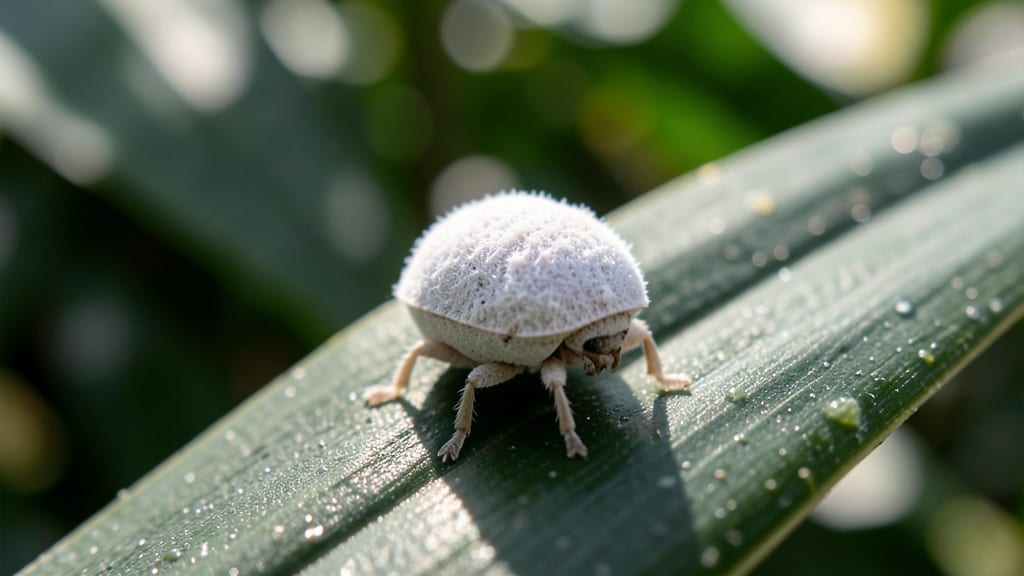
How to get rid of mealybugs on dumb cane—those sticky, white pests that turn your glossy leaves into a mess—can be tackled fast with the right approach. 🌿 I’ve battled these pests for years, and I’ll show you the fastest, most effective way to smother them before they spread—no harsh chemicals needed. The secret lies in a targeted spray that suffocates these sap-suckers on contact, combined with manual removal for stubborn clusters. You’ll need just a few household items, a spray bottle, and 10 minutes of focused work to see results within days. After treatment, your dumb cane will bounce back with new growth in 2-3 weeks, and you’ll learn how to keep these pests from returning. The key is consistency—check leaves weekly and act fast at the first sign of cottony white fluff. Works for all Dieffenbachia varieties, whether you’re dealing with a single leaf or a full plant takeover. Let’s get those bugs gone for good!
Root Causes of Mealybug Infestations
Mealybugs may look like harmless cottony fluff, but they’re actually sneaky plant pests that thrive under specific conditions. Understanding why they target your dumb cane (Dieffenbachia) is the first step to stopping their spread.
These tiny insects don’t just appear out of nowhere—they’re drawn to weak plants and ideal environments. Let’s break down the science behind their invasion.
Mealybugs are opportunistic feeders, and a stressed or weakened dumb cane is like an all-you-can-eat buffet to them. Here’s why your plant might be vulnerable:
- Nutrient Deficiencies: A lack of nitrogen, phosphorus, or potassium weakens cell walls, making it easier for mealybugs to pierce and suck sap. Think of it like a plant with a compromised immune system—it can’t fight off invaders effectively.
- Overwatering or Poor Drainage: Soggy soil creates the perfect breeding ground for mealybugs and their fungal allies (like sooty mold). Root rot from excess moisture also stresses the plant, releasing more sugary sap—mealybugs’ favorite snack. 🍯
- Physical Damage: Bruised leaves or stems from mishandling (like rough pruning or transport stress) create entry points for pests. Mealybugs exploit these wounds to establish colonies.
Pro Tip: 🌱 Healthy plants resist pests better. Regularly check your dumb cane’s leaves for yellowing, wilting, or mushy stems—these are red flags for underlying stress.
Mealybugs aren’t picky, but they do have preferences. Your dumb cane’s growing conditions might be accidentally creating a mealybug paradise:
| Factor | Mealybug Love | Why It Attracts Them |
|---|---|---|
| Humidity | ✅ High (70%+) | Mealybugs thrive in damp air because it slows down natural predators (like ladybugs) and keeps their waxy coating from drying out. |
| Temperature | ✅ Warm (70–85°F) | They’re tropical pests—cooler temps (<60°F) slow their reproduction, but most homes stay in their ideal range. |
| Light Exposure | ✅ Low to Medium | Dumb canes in shady spots grow softer, more succulent leaves—mealybugs’ dream food. Too much sun stresses the plant, but not enough makes it a snack. |
| Crowded Plants | ✅ Yes! | Mealybugs spread via crawling or wind-blown cottony fibers. Grouping plants (like in a greenhouse or windowsill garden) accelerates infestations. |
Pro Tip: 🌡️ Monitor your plant’s microclimate. If your dumb cane is in a steamy bathroom or next to a humidifier, mealybugs will move in faster. Use a small fan to improve air circulation!
Mealybugs aren’t just attracted to your plant—they might’ve hitched a ride there. Here’s how:
- New Plants: The #1 way mealybugs spread is through infected cuttings, soil, or pots. Even a single infested leaf can start a colony in weeks. Always quarantine new plants for 2–4 weeks before introducing them to your collection.
- Gardening Tools: Pruners, pots, or even your hands can transfer mealybugs (or their eggs) from one plant to another. Disinfect tools with rubbing alcohol between uses!
- Outdoor Exposure: If your dumb cane spends time outside (e.g., on a patio or balcony), mealybugs can crawl from nearby infested plants or hitch a ride on pollinators like ants.
Pro Tip: 🚫 Break the chain of infection. Before repotting or pruning, inspect your dumb cane thoroughly—especially under leaves and at the stem junctions where mealybugs love to hide.
Now that you know why mealybugs target your dumb cane, the next step is to disrupt their life cycle. But first, you’ll need to identify where they’re hiding—stay tuned for our targeted inspection guide!
Quick Fixes for Mealybug Mayhem
Mealybugs on your dumb cane (Dieffenbachia) can feel like a sneaky, sticky nightmare—but don’t worry! With the right approach, you can smother these pests fast and keep your plant thriving.
Below, we’ve mapped out targeted solutions based on the root causes (overcrowding, weak plants, poor hygiene, or outdoor exposure) and paired them with prevention tips to stop future invasions. Let’s tackle this step by step!
If mealybugs are clustering where leaves meet stems (their favorite hiding spots), your plant might be stressed from overcrowding. Here’s how to fix it:
- 🍳 Quarantine the Plant
- Move your dumb cane to a separate room or outdoor space (if indoors) to prevent cross-contamination. Mealybugs spread like wildfire!
- 👨🍳 Wipe Down Sticky Spots
- Dip a cotton swab or soft cloth in 70% isopropyl alcohol (or a mix of water + dish soap).
- Gently scrub the white cottony masses (eggs and adults) off stems and leaf axils. Be thorough! 🔍
- 🥘 Apply a Smothering Spray
- Mix 1 tsp neem oil + 1 tsp mild castile soap + 1 cup water in a spray bottle.
- Shake well and spray directly on infested areas (focus on undersides of leaves and stems).
- Reapply every 5–7 days until no new bugs appear.
💡 Pro Tip: If mealybugs keep returning, your plant might be root-bound. Repot it in fresh soil to reduce stress!
A struggling dumb cane is like an open invitation for mealybugs. Strengthen your plant’s resilience with these steps:
- ✨ Prune Damaged Leaves
- Snip off yellowing or severely infested leaves with sterilized scissors (wipe with rubbing alcohol between cuts).
- Dispose of pruned leaves in a sealed bag (not your compost—mealybugs can survive!).
- 💪 Fertilize Smartly
- Use a balanced, water-soluble fertilizer (like 10-10-10) diluted to half strength.
- Avoid over-fertilizing—too much salt weakens roots, making plants more vulnerable.
- 🎯 Improve Airflow
- Mealybugs love stagnant, humid air. Place a small fan nearby (on low setting) to keep air moving.
- Avoid grouping plants too closely together.
🔥 Quick Fix: Mist your dumb cane lightly with water in the morning to wash away honeydew (mealybug poop) and deter ants (which love their sticky byproduct).
Mealybugs hitchhike on tools, pots, and surfaces. Break the cycle with a thorough cleanup:
- 🔪 Sterilize Tools & Pots
- Soak scissors, shears, and pots in hot, soapy water (or a 10% bleach solution) for 10 minutes.
- Rinse and dry completely before reuse.
- 🧼 Clean Surrounding Areas
- Wipe down windowsills, shelves, and floors near your plant with a vinegar-water mix (1:1 ratio) to kill lingering eggs.
- 🚫 Inspect New Plants
- Before bringing in any new houseplants, quarantine them for 2–4 weeks and check for pests.
💡 Pro Tip: Place yellow sticky traps near your dumb cane to catch adult mealybugs before they spread!
If your dumb cane lives outside (or near open windows/doors), it’s at higher risk. Protect it like this:
- 🏡 Move Indoors at Night
- Mealybugs are nocturnal. Bringing your plant inside after dark reduces exposure to flying pests.
- 🌿 Use Physical Barriers
- If outdoors, cover the plant with fine mesh netting to block pests while allowing light and air.
- 💦 Water at the Base
- Avoid overhead watering—wet leaves attract mealybugs. Water directly at the soil line instead.
| Action | How Often | Why It Works |
|---|---|---|
| Inspect leaves weekly | Every 7–10 days | Catches infestations early before they explode. |
| Wipe leaves with damp cloth | Biweekly | Removes honeydew and dust, making plants less appealing. |
| Rotate plant occasionally | Monthly | Ensures even sunlight and reduces stress. |
| Avoid overwatering | Check soil moisture | Soggy soil attracts fungus gnats, which bring mealybugs. |
| Use beneficial insects | As needed | Ladybugs or lacewings eat mealybugs naturally! |
Final Thought: Mealybugs are annoying but beatable—especially when you strike fast with isolation, cleaning, and targeted sprays. Stay vigilant, and your dumb cane will bounce back stronger than ever! 🌱✨
Frequently asked questions
Why do mealybugs keep coming back even after treatment?
Mealybugs often return because their eggs are tiny and hidden in crevices or under leaves. Even if you kill the adults, new nymphs may hatch in 1-2 weeks. Reapply your spray every 5-7 days for at least 3 weeks to break their life cycle. Also check nearby plants—they might've spread there.
Is neem oil safe for my dumb cane's leaves?
Yes, when used correctly! Dilute neem oil properly (1 tsp per 1 cup water with a drop of soap) and apply in early morning so leaves dry before night. Avoid overusing it—more than 2 applications per month can stress the plant. Always test a small leaf area first.
Can I use dish soap alone to kill mealybugs?
While dish soap disrupts their waxy coating, it's not enough alone. Mix 1 tablespoon mild dish soap with 1 quart water for best results, but combine it with neem oil or rubbing alcohol for stronger effects. Always rinse leaves after 24 hours to prevent buildup that can harm your plant.
How do I know if my dumb cane is recovering from mealybugs?
Watch for these signs: new growth at the stem tips, leaves staying firm (not wilting), and no more sticky residue. Within 2-3 weeks of consistent treatment, you should see improvement. Keep monitoring for 4-6 weeks total—some mealybugs hide deep in leaf folds.
What should I do if mealybugs spread to other houseplants?
Act fast! Isolate all infected plants immediately and treat them separately. Wipe down shelves, windowsills, and tools with 70% isopropyl alcohol. Check your collection weekly—mealybugs can travel via air currents or crawling. Consider using yellow sticky traps near your plant collection.