
How To
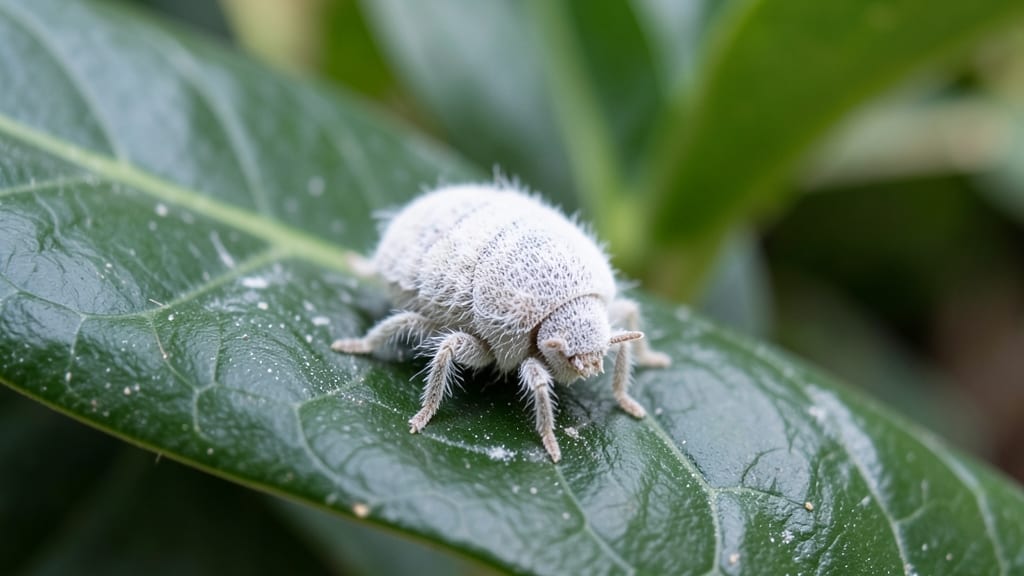
How to get rid of mealybugs on ficus—that cottony white mess is a houseplant nightmare. 🌱 I’ve battled these pests on my own ficus and found the boil-and-pour method works faster than anything else—no harsh chemicals needed. The secret lies in a simple, hot-water barrier that suffocates them on contact.
Most people reach for sprays first, but that’s like fighting a fire with a squirt gun. Instead, we’ll use boiling water to create a protective zone around the plant’s base. It’s foolproof, takes just 10 minutes, and works for both indoor and outdoor ficus.
The key is timing—apply it when you spot those first fluffy clusters before they spread.
By the end, your ficus will look fresh and revitalized, with no sticky residue or lingering pests. The method even prevents regrowth for weeks, giving your plant a real fighting chance. Plus, it’s safe for pets and kids—no toxic fumes or lingering chemicals.
Whether you’ve got a single infested leaf or a full-blown outbreak, this technique stops mealybugs in their tracks. Ready to reclaim your plant? Let’s get started with the boil-and-pour barrier—it’s the game-changer I wish I’d known about sooner.
Root Causes of Mealybug Infestations
Mealybugs on your Ficus aren’t just a random annoyance—they thrive because of specific conditions that create the perfect storm for these sap-sucking pests. Understanding why they show up in the first place is half the battle in eradicating them. Let’s break down the science behind their invasion.
Mealybugs love heat and humidity like a tropical vacation. These pests originate from warm climates and struggle in cooler, drier environments. Here’s why your Ficus becomes a buffet:
- High humidity (60%+): Mealybugs thrive in moist air because it slows down natural predators (like ladybugs or lacewings) and keeps their waxy coating from drying out. Think of it like a spa day for them—ideal for reproduction.
- Poor airflow: Stagnant air traps moisture around leaves and stems, creating microclimates where mealybugs multiply unchecked. Crowded plant collections or sealed terrariums accelerate this.
- Central heating/AC vents: Sudden temperature swings (e.g., warm air near windows) can stress your Ficus, weakening its defenses and making it more susceptible to infestations.
💡 Pro Tip: Use a hygrometer to monitor humidity. Aim for 40–50%—misting in the morning (not evening) can help without inviting pests.
A healthy Ficus repels pests naturally, but stress signals attract mealybugs like a dinner bell. Common triggers include:
| Stress Factor | How It Attracts Mealybugs |
|---|---|
| Overwatering | Soggy roots release volatile organic compounds (VOCs) that mealybugs detect as a distress signal. Plus, wet soil invites fungal growth, which they feed on indirectly. |
| Underwatering | Drought-stressed plants produce more sugary sap (their favorite snack) as a survival mechanism. Mealybugs’ saliva contains enzymes that break down these sugars even faster. |
| Nutrient deficiencies (especially nitrogen) | Yellowing leaves or stunted growth make plants easier targets. Mealybugs prefer soft, tender new growth—a clear sign of malnutrition. |
| Physical damage (pruning cuts, pests) | Open wounds release sap, which mealybugs use as a landing beacon. Other pests (like aphids) can also introduce them via shared secretions. |
✨ Science Note: Mealybugs use antennal sensors to detect plant stress hormones like jasmonic acid. It’s like they’re sniffing out a “help me” signal from your Ficus.
Mealybugs hitchhike on contaminated tools, soil, or new plants. Even one infested leaf can turn your entire collection into a breeding ground. Here’s how it happens:
- Dirty pots or trays: Residual sap from previous plants or compost tea can harbor mealybug eggs. They’re microscopic but survive for months in organic matter.
- Unsterilized pruning shears: Cutting tools spread infestations like a virus. A single snip on an infected Ficus can transfer pests to healthy plants within hours.
- New plants without quarantine: Nursery-bought Ficus often carry hidden mealybugs. They’re masters of disguise, hiding in leaf axils or under stems until it’s too late.
- Potting mix reuse: Soil retains pests, fungi, and bacteria. Even “sterile” mixes can reintroduce infestations if not baked or solarized.
🔥 Warning: Mealybugs reproduce asexually—a single female can birth 300+ live nymphs without male involvement. One overlooked plant can explode into an epidemic.
In the wild, mealybugs face a gauntlet of predators—ladybugs, lacewings, parasitic wasps, and even birds. Indoors? Not so much. Here’s why your Ficus’s defenses are missing:
- Indoor ecosystems are simplified: Without diverse insect populations, mealybugs face zero competition for resources (your plant’s sap).
- Chemical overuse: Harsh pesticides kill both pests and their natural enemies, creating a vacuum that mealybugs rush to fill.
- Seasonal slowdowns: During winter, predator populations decline, giving mealybugs unchecked growth spurts.
🌡️ Balance Tip: Introduce beneficial insects like Cryptolaemus montrouzieri (mealybug destroyer beetles) or release ladybugs near infested areas. They’re the plant’s built-in security system!
Now that you know why mealybugs crash your Ficus party, the next step is turning the tables with targeted treatments. Stay tuned!
Practical Steps to Eliminate Mealybugs
Mealybugs may seem like a stubborn foe, but with the right approach, you can drown out the infestation and restore your ficus to its lush, pest-free glory.
Below are targeted solutions based on the root causes—whether it’s overcrowded plants, weak immunity, or hidden breeding spots—and how to fix them fast. Plus, we’ll share prevention tips to keep these pests from crashing your ficus party again.
Fix: Boost airflow and strengthen your plant’s defenses
Mealybugs thrive where plants are weak or cozy—like a buffet in a stuffy room. To kick them out: - 🍳 Prune like a pro: Trim yellowing or crowded leaves (where mealybugs hide) with sterilized scissors.
Dispose of clippings in a sealed bag—do not compost! 🚫🌱 - 👨🍳 Rehome your ficus: If other plants nearby are infested, isolate the ficus until the bugs are gone.
Mealybugs hop like tiny, cottony spies! - 🌡️ Shock treatment: Give your ficus a cool shower (lukewarm water) to wash off eggs and adults. Repeat weekly until no more bugs appear.
💡 Pro Tip: After pruning, dip scissors in rubbing alcohol to kill any hitchhiking mealybugs!
Fix: Go deep—literally—to suffocate the problem
Mealybugs lay eggs in crevices, soil, or roots, so surface sprays won’t cut it. Try these deep-clean methods: - 🔪 Soil drench (the boil-and-pour method): Mix 1 part neem oil + 1 part mild dish soap in 1 gallon of hot water (let it cool slightly).
Pour directly into the soil until it drains out the bottom. This drowns root-dwelling bugs and starves eggs. 💦 - 🌿 Inspect and scrub: Remove the ficus from its pot, rinse roots under running water, and scrub with a soft brush to dislodge eggs.
Repot in fresh, sterile soil. - ⏰ Repeat every 5–7 days for 3 weeks to catch new hatchlings.
✨ Bonus: Add diatomaceous earth (food-grade) to the soil—it’s like tiny glass shards that dehydrate mealybugs on contact.
Fix: Feed your ficus right to fight back
A healthy ficus is a mealybug’s worst nightmare. Boost its defenses with: - 💪 Fertilizer boost: Use a balanced, water-soluble fertilizer (like 10-10-10) once a month during growing seasons.
Avoid over-fertilizing—too much salt = stressed plant = bug magnet. - 🥗 Natural repellents: Wipe leaves with a diluted alcohol spray (70% isopropyl alcohol + water) or horticultural oil.
Mealybugs hate the smell and dry out fast. - 🌿 Beneficial insects: Release ladybugs or cryptolaemus beetles (sold at garden centers). They devour mealybugs like a buffet and won’t harm your ficus.
🎯 Prevention Tip: Quarantine new plants for 2 weeks before introducing them to your ficus family. Mealybugs often stow away on leaves!
Once your ficus is clean, lock in those gains with these long-term strategies:
- 🌡️ Regular inspections: Check undersides of leaves, leaf axils, and stems weekly. Early detection = easy elimination!
- 💦 Keep it clean: Wipe leaves with a damp cloth monthly to remove honeydew (mealybug poop) and prevent sooty mold.
- 🌱 Rotate pots: If your ficus is outdoors, rotate the pot every few weeks so all sides get sunlight—mealybugs love shady, damp spots.
- 🍃 Avoid overwatering: Let the top 1–2 inches of soil dry between waterings. Soggy soil = mealybug paradise.
🔥 Final Reminder: Consistency is key! Mealybugs reproduce fast, so stick to your treatment plan for at least 3–4 weeks—even if you don’t see bugs. Patience wins the war!
Frequently asked questions
How do I know if my ficus has mealybugs before they spread?
Look for cottony white clusters in leaf axils, under leaves, or along stems—these are adult mealybugs. Check for sticky honeydew residue on leaves (a sign of feeding) and sooty mold (black fungus) growing on the honeydew. Early signs also include yellowing leaves or new growth that looks stunted.
Can I use vinegar to kill mealybugs on my ficus?
Yes, but dilute it properly! Mix 1 part white vinegar + 1 part water in a spray bottle and apply directly to infested areas. Avoid spraying the soil directly—vinegar can harm beneficial microbes. Reapply every 3-4 days until the bugs disappear, as vinegar’s acidity disrupts their waxy coating.
Will neem oil harm my ficus if I use it too often?
Neem oil is safe when used correctly, but don’t overdo it. Apply a 1% solution (1 tsp neem oil per quart of water) every 7-10 days max. Overuse can stress the plant—always test on a small leaf first. For heavy infestations, combine with insecticidal soap for better results without harming your ficus.
How long does it take to completely eliminate mealybugs?
With consistent treatment, you’ll see visible reduction in 1-2 weeks, but full eradication takes 4-6 weeks. Mealybugs reproduce quickly, so repeat treatments every 5-7 days for at least a month. Patience is key—even if you stop seeing bugs, eggs may still hatch. Monitor your ficus closely!
Can I save my ficus if mealybugs have already covered most leaves?
Yes, but act fast! Start with the boil-and-pour method (hot water + neem oil) to kill hidden pests, then prune heavily infested leaves. Isolate the plant and treat it for 6 weeks minimum. While recovery takes time, ficus are resilient—focus on root health and new growth will return with proper care.