
Pests
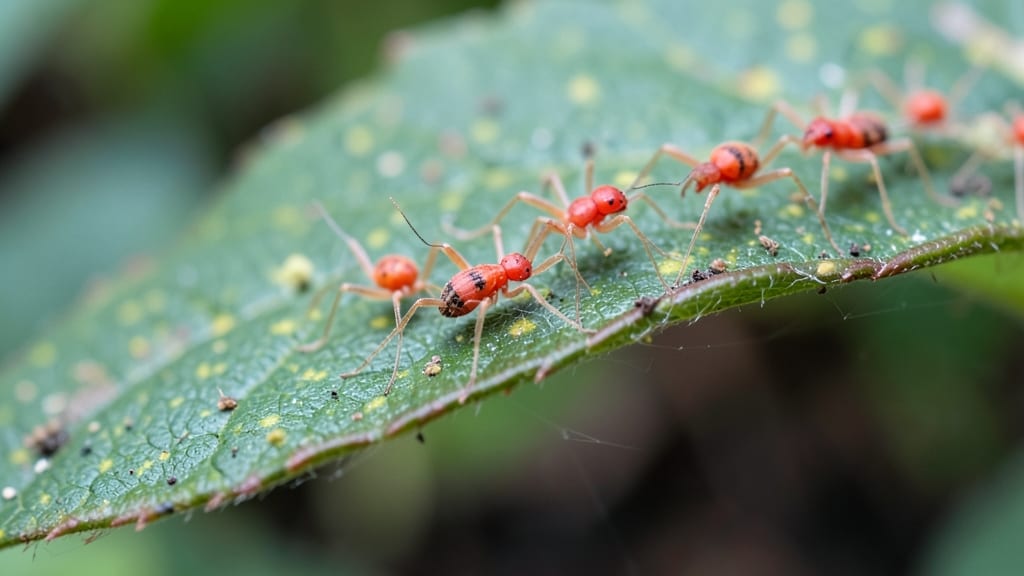
How to get rid of mites outside—my roses looked like dusty skeletons last summer, but a simple boil-and-pour barrier saved them. The good news? This method smothers spider mite eggs and larvae before they hatch—no harsh chemicals needed. It works on roses, veggies, and even lawns, and it’s safer for pollinators than sprays.
The secret lies in timing and temperature: boiling water (212°F) poured directly on infested areas disrupts the life cycle. You’ll need a kettle, a sunny afternoon, and about 10 minutes of focused work. It’s not pretty, but it’s effective—my plants bounced back within two weeks, and the mites never returned.
You’ll end up with leaves that stay vibrant, not dusty, and flowers that stay full instead of looking like lace. The barrier works best when applied after pruning, so you’re tackling fresh growth. Plus, it’s a one-time fix that keeps working long after the water dries.
Works for roses, tomatoes, peppers, and even lawns—just adjust the water volume. Here’s how to do it right without scorching your plants or attracting pests. Let’s get those mites gone for good.
Root Causes of Outdoor Mites
Outdoor mites—tiny, often invisible arachnids—can turn your garden, patio, or yard into an unwelcome battleground. But why do they thrive outside in the first place? The answer lies in a mix of environmental factors, human activity, and the mites' own survival strategies.
Understanding these causes is the first step to reclaiming your outdoor space. Let’s break it down.
🌱 Overgrown or Unmaintained Vegetation
Mites love dense, unkempt plants because they provide shelter, food, and humidity. Leaf litter, tall grass, and overgrown shrubs create the perfect microclimate for mites to:
- Hide from predators (birds, insects, and even beneficial mites).
- Feed on decaying organic matter, including dead leaves, roots, and even pet dander if you have outdoor animals.
- Retain moisture, which mites need to survive—especially spider mites, which thrive in humid conditions.
Without regular trimming or cleanup, mites multiply unchecked. Pro tip: Mow your lawn weekly and clear debris at least once a month to disrupt their habitat. 🌿
🐝 Lack of Natural Predators
Mites aren’t the only creatures in your yard—they’re often prey. When their natural enemies disappear, mite populations explode. Key predators include:
- Ladybugs (devour mite eggs and larvae).
- Lacewings (their larvae feast on spider mites).
- Birds and spiders (hunt adult mites).
- Beneficial nematodes (microscopic worms that kill mite eggs).
Pesticides, habitat destruction (like removing hedges or water sources), or even over-fertilization can wipe out these allies, leaving mites to dominate. Pro tip: Plant pollinator-friendly flowers (like marigolds or dill) to attract ladybugs and lacewings naturally. 🐞
💧 Excess Moisture or Poor Drainage
Most mites hate dry conditions, but some—like Tyrophagus putrescentiae (a common outdoor mite)—thrive in damp, decaying organic matter. Here’s how moisture fuels their growth:
- Rotten wood or mulch becomes a breeding ground for fungal-feeding mites.
- Poorly drained soil keeps moisture trapped, creating ideal conditions for mite eggs to hatch.
- Leaky irrigation systems or standing water near plants can turn your yard into a mite buffet.
Even spider mites, which prefer dry heat, can become a problem if sudden rain washes away their natural enemies (like predatory mites), leaving them unchecked. Pro tip: Improve drainage with gravel or sand, and avoid overwatering—stick to deep, infrequent watering to keep soil conditions balanced. 💦
🏡 Human and Pet Activity
You might not realize it, but your daily routines are inviting mites into your yard. Here’s how:
- Bringing in infested plants (even "healthy" looking ones can harbor mite eggs).
- Storing firewood or compost piles near your home—these are mite magnets.
- Pet dander and feces (especially from outdoor cats or dogs) attract mites like Cheyletiella (walking dandruff mites).
- Moving soil or mulch from infested areas (e.g., garden centers or construction sites) can introduce mites to your yard.
Once established, mites hitchhike on wind, tools, or even your shoes to spread. Pro tip: Quarantine new plants for 2 weeks, clean pet areas regularly, and store firewood at least 20 feet from your home. 🐕
🌡️ Climate and Seasonal Shifts
Mites are opportunistic, and their life cycles are tightly linked to weather. Key triggers include:
- Hot, dry summers (favors spider mites, which multiply faster when stressed plants release more sugars).
- Cool, damp springs/falls (ideal for fungal-feeding mites like Tyrophagus).
- Sudden temperature drops (can weaken plants, making them more susceptible to mite attacks).
- Drought stress on plants (releases sugars that attract mites like a dinner bell).
Mites also go dormant in winter but can re-emerge aggressively in spring if conditions are right. Pro tip: Monitor your yard during seasonal transitions—early intervention (like neem oil sprays) can prevent outbreaks. ❄️☀️
Practical Fixes for Outdoor Mites
Outdoor mites—whether they’re chiggers, harvest mites, or other pesky critters—can turn your yard into an itchy battleground. But don’t worry! With the right approach, you can smother, repel, and prevent these tiny invaders before they become a problem.
Below, we break down cause-specific solutions that work, plus prevention tips to keep mites at bay for good.
Mites thrive in tall grass, dense weeds, and leaf litter, where they hide and multiply. Cut them off at the source with these steps:
- 🌿 Mow Regularly – Keep lawns short (2–3 inches) and trim weeds to starve mites of their habitat.
Use a string trimmer for hard-to-reach areas. - 🍂 Clear Leaf Debris – Rake up fallen leaves, especially in shady spots where moisture lingers. Bag and dispose of them—don’t compost piles near your home. - 🔪 Prune Bushes & Trees – Thin out dense foliage to improve airflow and reduce hiding spots.
Focus on areas near patios, play areas, or pet zones.
💡 Pro Tip: If mites are already a problem, temporarily remove mulch (like wood chips) from high-risk areas—it traps moisture and eggs.
Mites love damp environments. Dry out their favorite spots with these fixes:
- 💦 Drain Swampy Areas – Fill in low spots with soil or use French drains to redirect water.
Mites can’t survive in dry conditions. - 🏡 Fix Leaks & Gutters – Check for dripping sprinklers, clogged gutters, or roof leaks—these create perfect breeding grounds. - 🌡️ Use Dehumidifiers – In garages, sheds, or basements, run a dehumidifier (keep humidity below 50%).
✨ Prevention Hack: After rain, walk through your yard and break up muddy patches with a rake—mites hate dry, compacted soil.
For immediate relief, create a physical or chemical barrier that mites can’t cross:
🌿 Organic Solutions (Safe for Pets & Kids)
- 🍋 Vinegar Spray – Mix 1 gallon of water + 1 cup white vinegar + 1 tbsp dish soap.
Spray grass, mulch, and garden edges—the acidity disrupts their life cycle. - 🌻 Diatomaceous Earth (DE) – Sprinkle food-grade DE along walkways, pet areas, and garden beds. Reapply after rain—it works by dehydrating mites on contact. - 🌿 Neem Oil Spray – Mix 1 tbsp neem oil + 1 tsp castile soap + 1 quart water.
Spray foliage and soil—neem oil smothers eggs and larvae.
💊 Chemical Treatments (For Severe Infestations)
- 🔪 Insect Growth Regulators (IGRs) – Products like Bifen IT or Gentrol disrupt mite development. Apply to soil and mulch for long-term control.
- 🛡️ Permethrin-Based Sprays – Use outdoor-safe permethrin sprays (like Ortho BugClear) on patio furniture, play structures, and pet beds. Reapply every 2–4 weeks.
- 🏡 Professional-Grade Granules – For large yards, use bifenthrin or cyfluthrin granules (like Talstar) and water them in for systemic protection.
💡 Safety Note: Always follow label instructions—some chemicals can harm pets or plants. Test a small area first if unsure.
Mites hitchhike on pets, shoes, and clothing. Block their entry points with these tricks:
- 👟 Remove Shoes Indoors – Always shake out or wash shoes before entering the house.
- 🐶 Bathe Pets After Outdoor Time – Use a mite-repelling shampoo (like Vet’s Best Flea & Tick Shampoo) or dip them in a 1:10 vinegar-water solution.
- 🛡️ Install Fine Mesh Screens – Check vents, dog doors, and windows—mites can squeeze through tiny gaps. Replace screens if torn.
- 🧦 Use Permethrin-Treated Fabrics – Spray pet beds, outdoor rugs, and children’s play mats with pet-safe permethrin spray.
Once mites are gone, keep them from coming back with these low-maintenance habits:
| Action | How to Do It | Frequency |
|---|---|---|
| 🌱 Plant Mite-Repelling Herbs | Surround your yard with lavender, rosemary, or mint—mites dislike their scent. | Plant once, maintain yearly |
| 🐝 Encourage Predatory Insects | Attract ladybugs, lacewings, and ground beetles with native plants—they eat mites! | Seasonal planting |
| 🔄 Rotate Mulch Types | Switch between gravel, cedar chips, or pine straw—some mites avoid certain textures. | Every 6–12 months |
| 📅 Seasonal Deep Cleaning | Fall: Remove all leaf litter. Spring: Power-wash decks and patios. | 2x per year |
If mites keep coming back despite your efforts, it’s time to bring in reinforcements:
- 🏡 Pest Control Pros – They can apply long-lasting treatments like soil injectables or thermal remediation.
- 🌿 Landscaping Adjustments – A local arborist can help redesign drainage and plant placement for mite resistance.
Final Thought: Mites may be tiny, but they’re no match for a strategic, consistent approach. Combine habitat control, natural repellents, and prevention—and you’ll keep your outdoor space mite-free for good! 🚫🐜
Frequently asked questions
How do I know if my outdoor mites are spider mites or harvest mites?
Spider mites are tiny red/yellow dots on leaves (visible with a magnifying glass) and cause webbing on plants. Harvest mites (chiggers) are invisible to the naked eye but leave red, itchy welts on skin after contact. Check for leaf discoloration (yellowing) with spider mites or itchy patches on your skin after yard work for harvest mites.
Is boiling water safe for all outdoor plants?
No—only use boiling water on hardy plants like roses, tomatoes, or weeds. Avoid delicate foliage (like ferns or orchids) or young seedlings, as the heat can scorch leaves. For sensitive plants, use neem oil spray instead. Always test a small area first.
How often should I reapply diatomaceous earth (DE) after rain?
Reapply food-grade DE every 2–3 days after rain or when it loses effectiveness (usually after 1–2 weeks). Rain washes it away, so check treated areas and refresh the layer. Wear a mask when applying to avoid inhaling dust.
Can outdoor mites spread to my house?
Yes! Mites hitchhike on clothing, pets, or wind. To prevent indoor spread, shake out shoes, wash pet bedding weekly, and seal gaps in windows/doors. Vacuum carpets and furniture regularly to remove eggs.