
Pests
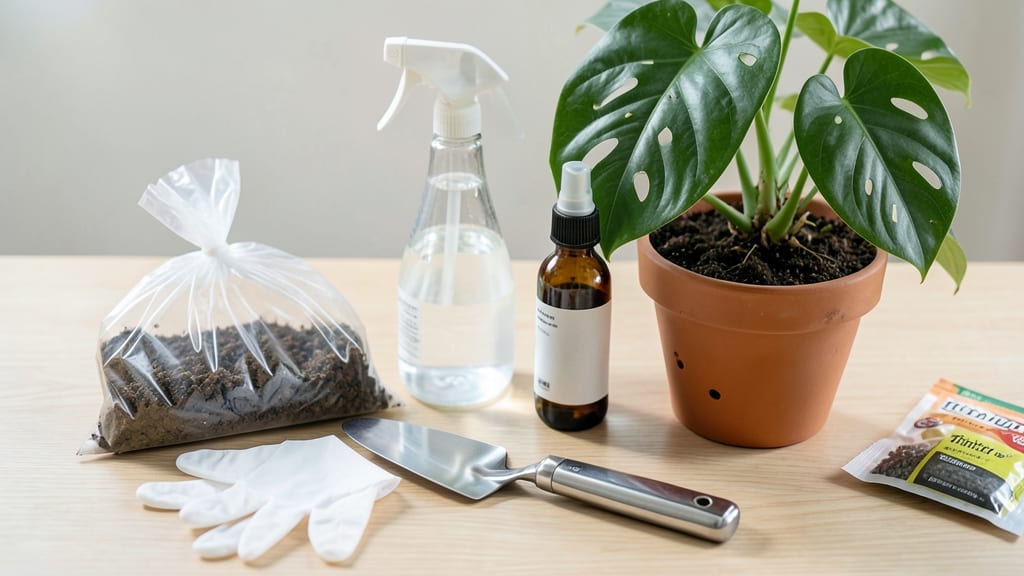
How to get rid of the mushrooms sprouting from your houseplant soil—they’re not just odd, they’re a red flag. 🌱 I’ve seen this happen after overwatering or when organic matter rots in stagnant soil, and the solution isn’t complicated but does require quick action. The key is smothering the fungal growth before it spreads to your plant’s roots.
Most people panic and yank the mushrooms out, but that leaves spores behind. Instead, I use a boiling water barrier—pouring just enough to kill surface fungi while keeping roots safe.
You’ll also need to adjust watering habits (let the top inch dry between waterings) and improve drainage to prevent recurrence. The goal? A soil environment where mushrooms can’t take hold again.
Within 24 hours, the mushrooms will shrivel up, and your plant’s roots will stop rotting. The real win? Your houseplant recovers faster than you’d expect, and you’ll avoid the heartbreak of losing it to fungal overgrowth. This method works for ferns, calatheas, and even monstera—just don’t overdo the water.
Fair warning: If the problem keeps coming back, your plant might need a fresh potting mix or a larger container. But start with the boiling water trick—it’s the fastest way to regain control. Here’s exactly how to do it without harming your plant.
Why it happens
Those mysterious mushrooms sprouting in your houseplant soil aren’t just random—they’re a red flag 🚩. Understanding why they appear is the first step to stopping them for good. Fungal growth like mushrooms, mold, or mildew thrives when specific conditions align, often tied to how you care for your plants.
Let’s break down the science behind these unwanted guests.
🌧️ Overwatering and Poor Drainage
Fungi love moisture—too much moisture turns your soil into a fungal buffet. When houseplants sit in soggy soil for days (or weeks), excess water displaces oxygen, creating the perfect anaerobic environment for fungal spores to germinate. Here’s why it happens:
- Waterlogged soil: Most houseplants need well-draining soil. If water pools at the bottom of the pot (or drains poorly), roots suffocate, and fungi like Rhizoctonia or Pythium take over.
- No aeration: Compacted or heavy soils (like clay) trap water and block airflow, accelerating fungal spread.
- Overzealous watering: Some plant owners water on a schedule without checking soil moisture. Stick your finger in the soil—if the top 1–2 inches are damp, wait.
Pro Tip: 💡 Use pots with drainage holes and a mix of perlite or orchid bark to improve airflow. If your plant is already waterlogged, let it dry out completely before watering again.
🍄 Organic Debris and Old Soil
Fungi feed on decaying matter. If your plant’s soil is packed with dead leaves, old mulch, or decomposed roots, it’s like leaving out a fungal smoothie bar. Here’s the breakdown:
- Decomposing plant matter: Fallen leaves, stems, or even composted material in soil release sugars and nutrients that fungi crave.
- Stagnant soil: Soil that hasn’t been refreshed in years becomes a breeding ground for spores. Fungi like Armillaria (honey mushrooms) thrive in nutrient-rich, undisturbed soil.
- Potting mix breakdown: Cheap or old potting soil loses structure, compacting and trapping moisture—ideal for fungal growth.
Pro Tip: ✨ Repot your plant every 1–2 years with fresh, sterile potting mix. Remove all old soil and debris before replanting to starve fungi of their food source.
🌡️ Temperature and Humidity Imbalances
Fungi are temperature-sensitive opportunists. While they can grow in a range of conditions, extreme humidity or temperature swings create the perfect storm:
| Condition | Why It Helps Fungi |
|---|---|
| High humidity (70%+) | Fungal spores float in moist air and land on soil or leaves, germinating quickly. Think of it like a fungal spore rain. |
| Poor airflow | Stagnant air traps moisture and CO₂, slowing evaporation and keeping soil damp longer. |
| Cold drafts or heat stress | Sudden temperature drops (like near windows in winter) weaken plants, making them more susceptible to fungal infections. |
Pro Tip: 🌡️ Keep humidity between 40–60% (use a hygrometer) and avoid placing plants in steamy bathrooms or cold drafty spots. A small fan on low can improve airflow without harming delicate leaves.
🌱 Weakened or Stressed Plants
Healthy plants resist fungal invaders, but stress makes them easy targets. Common stressors include:
- Nutrient deficiencies: Plants low in nitrogen or phosphorus struggle to produce strong cell walls, making them vulnerable to fungal entry.
- Pest damage: Bugs like aphids or spider mites injure plants, creating open wounds where fungi can infiltrate.
- Transplant shock: Recently repotted plants with disturbed roots are temporarily weakened and more prone to infections.
Pro Tip: 💪 Boost plant resilience with a balanced fertilizer (like 10-10-10) and inspect leaves regularly for pests. Quarantine new plants for 2 weeks to prevent spreading stress or pathogens.
🔄 Contaminated Tools or Soil
Sometimes, fungi hitch a ride from outside sources. Even well-meaning gardeners accidentally introduce spores through:
- Dirty pots or tools: Reusing containers or pruners without sterilizing them can transfer fungal spores from one plant to another.
- Infected potting mix: Store-bought soil or compost may contain dormant fungal spores that activate once moisture is added.
- Cross-contamination: Touching an infected plant and then potting a healthy one spreads spores like wildfire.
Pro Tip: 🔥 Sterilize tools with rubbing alcohol (70%+) or a 10-minute boil. Always use new or pasteurized potting mix (bake soil at 180°F for 30 minutes to kill spores).
How to Fix Fungal Growth Fast
Fungal growth on houseplants isn’t just unsightly—it can weaken or even kill your beloved greens if left unchecked. The good news? With the right approach, you can smother, remove, and prevent mushrooms from taking over.
Below are targeted solutions based on the root cause, plus preventive steps to keep your plants thriving. Let’s roll up our sleeves and get your plants back in shape!
If mushrooms sprouted from soggy soil, the fix starts with drying out the roots and improving drainage.
🔥 Step 1: Remove the Mushrooms (Safely!)
- Wear gloves—some fungi can irritate skin.
- Gently pull or scrape off mushrooms with a spoon or tweezers.
Avoid digging too deep to prevent damaging roots. - Discard the removed fungi in a sealed bag (not your compost bin—it can spread spores).
🍳 Step 2: Sterilize the Soil
Fungal spores lurk in damp soil, so kill them off with one of these methods: - Baking soda solution: Mix 1 tsp baking soda + 1 quart water, then pour over the soil.
Let sit for 10 minutes before rinsing. - Hydrogen peroxide (3%): Dilute with equal parts water, spray lightly on soil, and let it fizz away spores (test on a small area first). - Boiling water trick: Pour boiling water directly into the soil (as mentioned in the article title!) to smother spores on contact.
Repeat weekly if needed.
👨🍳 Step 3: Improve Drainage for Good
- Repot the plant in a fresh, well-draining mix (cactus/succulent blend works for many plants).
- Add a layer of perlite, orchid bark, or coarse sand to the bottom of the pot for airflow.
- Upgrade your pot: Terracotta or pots with drainage holes dry faster than plastic.
⏰ Prevention Tips
- Water only when the top 1–2 inches of soil are dry—stick your finger in to check!
- Use a moisture meter if you’re prone to overwatering.
- Avoid saucers that trap excess water—empty them after watering.
If mushrooms keep reappearing, spores may be floating in the air or hiding in old potting mix.
🔪 Step 1: Quarantine the Plant
- Move the infected plant away from others to prevent spore spread.
- Wipe down leaves with a 70% isopropyl alcohol solution (1 part alcohol + 3 parts water) to kill spores on surfaces.
🌡️ Step 2: Treat with Fungicides (Natural or Store-Bought)
| Option | How to Use | Frequency |
|---|---|---|
| Neem oil | Mix 1 tsp neem oil + 1 tsp mild soap + 1 quart water. Spray soil and leaves. | Every 7–10 days for 3 weeks. |
| Copper fungicide | Follow label instructions for soil drench or foliar spray. | As directed (usually weekly). |
| Vinegar spray | 1 part white vinegar + 3 parts water (test on leaves first—can burn some plants). | Weekly until mushrooms vanish. |
🎯 Prevention Tips
- Sterilize tools with rubbing alcohol before/after use.
- Replace old potting mix—fungal spores can survive for years.
- Improve airflow by spacing plants apart and using a small fan (gently!) to reduce humidity.
If mushrooms grew from rotting roots or pest damage, you’ll need to revive the plant’s health.
💡 Step 1: Inspect for Root Rot
- Gently remove the plant from its pot and rinse roots.
- Trim black/mushy roots with sterilized scissors.
- Soak roots in fungicide (like hydrogen peroxide 3% diluted) for 10 minutes.
🌿 Step 2: Repot in Fresh, Sterile Soil
- Use a clean pot (wash with soap and water, then disinfect with bleach).
- Fill with sterile potting mix (or bake your own mix at 200°F for 30 minutes to kill spores).
- Water lightly and avoid overwatering for 2–3 weeks to let roots recover.
✨ Prevention Tips
- Check roots every 2–3 months during repotting season.
- Avoid wounding plants—use sharp, clean tools when pruning.
- Rotate plants to ensure even light exposure (weak, leggy plants are more susceptible).
Once your plant is mushroom-free, maintain a fungus-free environment with these habits:
- Wipe leaves monthly with a damp cloth to remove dust (a fungus magnet!).
- Rotate plants weekly for even sunlight and airflow.
- Avoid overhead watering—water at the base instead.
- Monitor humidity—keep it below 50% if possible (use a dehumidifier or AC in humid climates).
Remember: Patience is key! Some plants may take weeks to fully recover, but with these steps, you’ll smother mushrooms for good and keep your houseplants happy and healthy. 🌱✨
Frequently asked questions
Are mushrooms in houseplant soil always harmful?
Not all mushrooms are dangerous, but most that appear in houseplant soil are a sign of fungal overgrowth. While some wild mushrooms are edible, those growing in potting mix are typically saprophytic fungi feeding on decaying organic matter. They can compete with your plant's roots for nutrients and may indicate root rot or excessive moisture. Always remove them promptly to prevent spread.
Can I use vinegar to kill mushrooms in houseplant soil?
Yes, but with caution! A diluted vinegar solution (1 part white vinegar to 3 parts water) can help kill surface fungi. However, test it on a small soil area first—some plants (like succulents) may not tolerate the acidity. For a gentler approach, use hydrogen peroxide (3%) instead, which breaks down into water and oxygen without harming plants.
How often should I check my houseplants for fungal growth?
Inspect your plants weekly during warmer months when fungi thrive, and bi-weekly in cooler seasons. Pay special attention to soil surfaces, leaf axils, and drainage holes. Early detection is key—catching mushrooms before they spread makes treatment much easier. If you notice any white, fuzzy growth or discoloration, act quickly to prevent root damage.
Will repotting always solve mushroom problems?
Not necessarily. While repotting with fresh, sterile soil helps, the real fix depends on the root cause. If mushrooms keep returning, you may need to address overwatering habits, poor drainage, or high humidity in your home. Combine repotting with adjusting your plant's care routine—like letting the top 1–2 inches of soil dry between waterings—for long-term success.
Can mushrooms spread to other houseplants?
Fungal spores can travel through air currents, water splashes, or even on your hands and tools. To prevent cross-contamination, quarantine infected plants immediately, sterilize your tools with rubbing alcohol (70%+), and avoid watering other plants until the issue is resolved. Wipe down surfaces near infected plants with a disinfectant to minimize spore spread.