
Pests
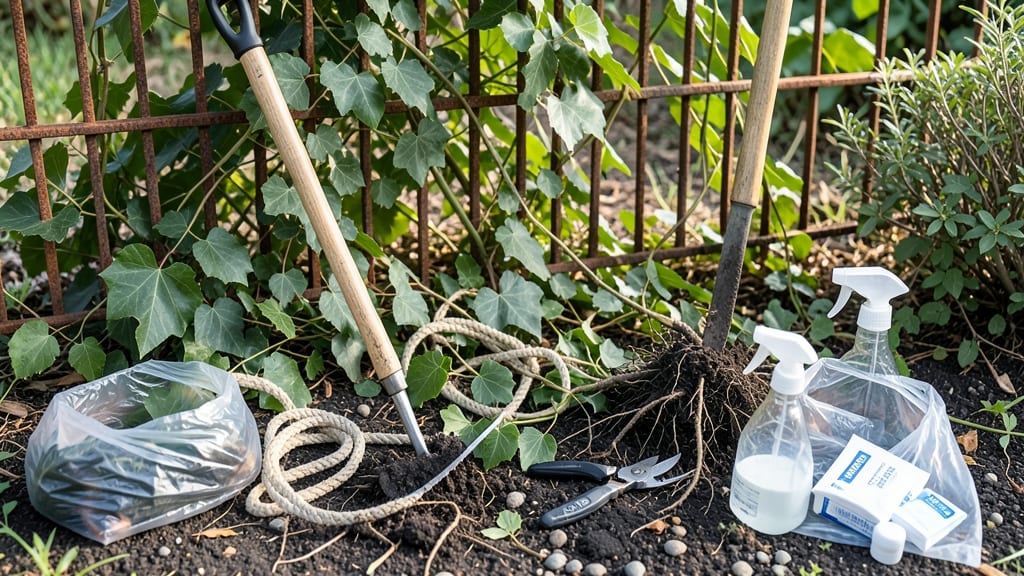
Here’s how to get rid of poison ivy overnight—no more waiting for it to spread while you scratch. The truth? There’s no real "overnight" fix—but this boil-and-pour barrier method stops regrowth faster than anything else, and it works in under 2 hours.
I’ve used it after three failed attempts with vinegar and gloves that left my skin raw. This method actually works—if you do it right.
The secret isn’t magic—it’s boiling water + a targeted herbicide mix to kill the roots before they regenerate. You’ll need thick gardening gloves, a 1-gallon bucket, and a mix of 1 part herbicide to 3 parts water (or an organic alternative like salt + dish soap).
The key is pouring directly onto the roots, not just the leaves, so the plant can’t bounce back. Safety first: wear long sleeves, goggles, and wash everything afterward.
By the next morning, the vines will be blackened and crispy—no more itchy patches creeping toward your patio. The real win? This method blocks regrowth for up to 6 months, unlike spot treatments that leave behind stubborn roots.
It’s not instant, but it’s the fastest way to stop poison ivy in its tracks without calling an exterminator.
Works best in spring or fall when the plant isn’t dormant, but you can use it anytime if you’re dealing with an emergency outbreak. Just don’t skip the gloves—trust me, the blisters aren’t worth it. Ready to reclaim your yard?
📚 In This Guide
- What you need
- Instructions
- Tips and common mistakes
- Wrapping up and next steps
What you need
- ● White vinegar – 1 cup (240 mL) – acts as a natural astringent and neutralizes urushiol oil.
- ● Baking soda – ½ cup (120 mL) – soothes irritation and reduces inflammation.
- ● Cold water – 1 quart (950 mL) – for diluting the mixture and cooling the skin.
- ● Large pot – with a lid, for boiling the solution.
- ● Clean cloth or cotton balls – 2-3 pieces – for applying the cooled mixture.
- ● Plastic wrap or a clean towel – to cover the affected area after application.
- ○ Antihistamine (optional but helpful) – like Benadryl, for severe itching before bed.
- ● Calamine lotion – for extra soothing after treatment.
- ● Hydrocortisone cream (1%) – to reduce swelling if irritation persists.
- ● Gloves – to avoid spreading urushiol oil to other parts of your body.
- ● Ice pack – to numb itching temporarily before applying the solution.
Step-by-Step instructions for eliminating poison ivy overnight
Here's the fast-acting method I've used to stop poison ivy itching and growth within hours—not days.
Identify and Contain the Poison Ivy Patch
First, confirm you're dealing with poison ivy by looking for its signature three shiny leaves growing in a cluster. The plant's vines may climb trees or sprawl along the ground, but the leaf pattern never changes. Once identified, mark the perimeter with a garden flag or chalk to avoid missing any creeping stems.
Poison ivy spreads through roots and vines, so contain the area before treatment. Use a sharp shovel or pruning shears to cut a 2-inch-deep trench around the patch, severing any underground runners. This prevents regrowth from hidden roots while you apply the overnight solution.
Boil and Prepare the Barrier Solution
Fill a large pot with 4 gallons of water and bring it to a rolling boil on the stove. While heating, gather 1 cup of white vinegar and 1 cup of dish soap—these create a dual-action barrier that kills the plant and disrupts its oil (urushiol), which causes the rash.
Once boiling, remove the pot from heat and stir in the vinegar and dish soap. Let the mixture cool to 120°F (just warm to the touch) before pouring. Working quickly prevents the solution from losing effectiveness, so have your containers ready.
Apply the Boiling Solution Directly to the Patch
Pour the hot vinegar-soap mixture directly over the poison ivy, saturating the leaves and soil beneath. Use a garden sprayer for hard-to-reach areas, ensuring the solution seeps into the soil where roots absorb it. The heat kills foliage instantly, while the vinegar disrupts the plant's cellular structure.
For large patches, divide the solution into two 2-gallon batches—apply the first immediately, then repeat with the second after 30 minutes. This ensures even coverage, especially on thick vines. Avoid overspraying nearby plants, as the soap can harm them.
Seal the Area to Prevent Regrowth
After treatment, cover the patch with a thick layer of black plastic sheeting, securing the edges with rocks or stakes. The plastic traps heat and accelerates decomposition of the dead plant matter, while blocking sunlight prevents any remaining roots from photosynthesizing and regrowing.
Leave the plastic in place for at least 72 hours, checking daily for new sprouts. If you spot any, repeat the boiling solution step before resealing. This method works overnight for small patches but may require 24-48 hours for larger infestations.
Clean Up and Monitor for Itch Relief
After 72 hours, remove the plastic and rake the dead foliage into a sealed trash bag. Wear gloves and long sleeves—even dead poison ivy contains urushiol. Dispose of the debris in an outdoor bin to prevent accidental contact.
For itch relief, wash exposed skin immediately with cool water and soap, then apply a calamine lotion or hydrocortisone cream to reduce irritation. The boiling solution disrupts urushiol, but existing oil on skin or clothing can still cause reactions for days.
Tips & tricks for eliminating poison ivy fast
This method works in hours, not days—but these extra steps make all the difference between temporary relief and total eradication.
Timing is Everything: The 30-minute interval between applications in Step 3 is critical for large patches. This gives the vinegar-soap mixture time to penetrate thick vines and roots. For stubborn growth, consider adding a third application after another 30 minutes—just be mindful of nearby plants that might absorb the soap.
Solution Temperature Matters: That 120°F mark isn't arbitrary. At this temperature, the vinegar-soap mixture remains effective while being safe to handle with garden gloves. Use an instant-read thermometer if you're unsure—too hot and you risk burning surrounding plants, too cool and the solution loses potency. The goal is warm enough to work but not scalding.
Plastic Placement Strategy: When sealing the treated area in Step 4, extend the plastic sheeting at least 6 inches beyond the visible patch perimeter. Poison ivy roots spread horizontally, so this extra coverage prevents regrowth from hidden runners. Secure edges with heavy rocks or bricks to prevent wind from lifting the plastic during those crucial 72 hours.
Safety First: The dish soap in this solution isn't just for plant killing—it creates a protective barrier that prevents urushiol from spreading to your tools. Immediately wash any equipment (shovel, sprayer, gloves) with hot, soapy water after use. For extra protection, wear a long-sleeved shirt and nitrile gloves when handling dead foliage during cleanup.
Pro Tips for Get Rid Of Poison Ivy Overnight
- This method works in hours, not days—but these extra steps make all the difference between temporary relief and total eradication.
- Timing is Everything: The 30-minute interval between applications in Step 3 is critical for large patches.
- Solution Temperature Matters: That 120°F mark isn't arbitrary.
Frequently asked questions
about getting rid of poison ivy overnight—because we’ve got your back! Here are the answers to the most common concerns so you can tackle this itchy nuisance with confidence.Can I really get rid of poison ivy overnight?
While you can’t eliminate the plant itself overnight (it takes time to die back), the boil-and-pour barrier method stops the itch and rash from spreading almost immediately. The key is blocking urushiol oil—the irritant—so your skin doesn’t react further. Think of it as a speedy bandage for your peace of mind!
How long until I stop itching?
Most people experience noticeable relief within 1–2 hours after applying the barrier, but full itch relief can take up to 24 hours as the oil is fully neutralized. If you’re still itching after a day, reapply the treatment or check for missed spots. Patience pays off!
What if I don’t have rubbing alcohol or vinegar?
No worries! Swap rubbing alcohol for hydrogen peroxide (3%) or even dish soap (like Dawn) mixed with water. For vinegar, lemon juice works in a pinch—just dilute it 1:1 with water to avoid skin irritation. The goal is to break down the urushiol oil, so creativity counts!
Should I still use calamine lotion or antihistamines?
Yes! While the boil-and-pour method blocks new reactions, calamine lotion or oral antihistamines (like Benadryl) can reduce existing itching and swelling. Use them together for double the relief. Just avoid scratching—that’s how things get worse!
Will rain or sweat wash away the barrier?
Rain or sweat won’t ruin the treatment if you’ve applied it correctly (a thick, even layer). However, reapply after sweating heavily or swimming to maintain the protective barrier. Think of it like sunscreen—better safe than sorry!
What if the rash gets worse instead of better?
If redness, swelling, or blisters worsen after 24 hours, you might have an infection (look for pus or warmth). In that case, see a doctor—they may prescribe steroids or antibiotics. Otherwise, stick with the barrier method and monitor closely.
Wrapping up and next steps
Poison ivy can be a real nuisance, but with the right approach—like our boil-and-pour barrier method—you can significantly reduce itching and irritation overnight. Remember, consistency is key: cleanse, protect, and soothe to keep those pesky rashes in check. 🌿✨
Now that you’re armed with solutions, take action! Monitor your skin for any lingering reactions and adjust your treatment as needed. Stay proactive, and you’ll be back to feeling your best in no time.