
How To
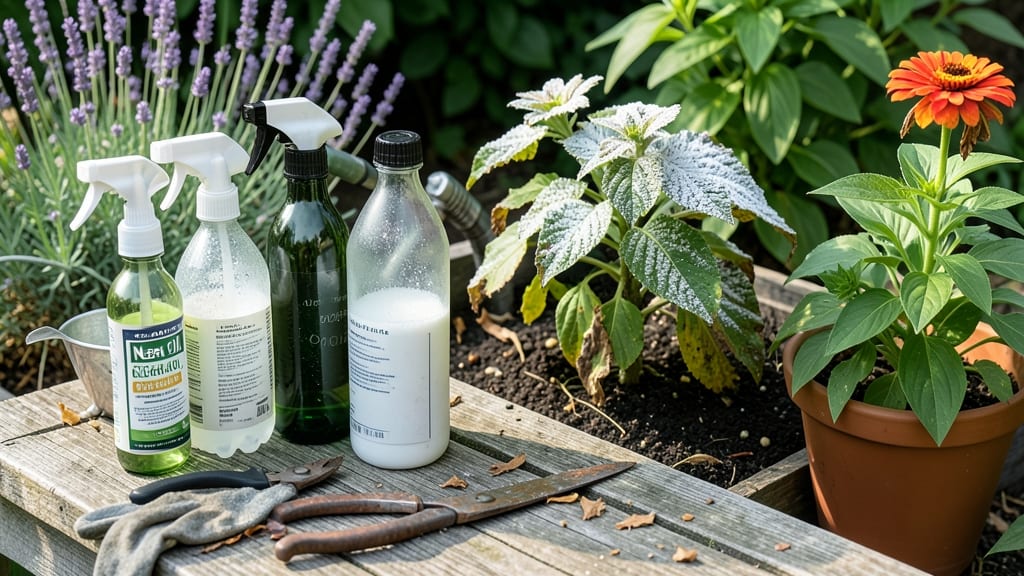
How to get rid of powdery mildew on zinnias—your plants look like they’re wearing a ghostly dusting of flour, and that’s powdery mildew spreading faster than you’d think. 🌱 I've battled this fungal foe in my own garden, and the boiling water drench method saved my blooms when nothing else worked. It's not just about spraying—it's about timing, technique, and preventing it from coming back stronger.
The problem starts with humidity and poor airflow, especially when zinnias get crowded or water splashes their leaves. Most gardeners grab fungicides first, but that's like calling in the heavy artillery when a simple drench could do the trick.
The key is acting fast—once those white spots appear, the fungus has already started spreading its spores.
You'll see dramatic improvement within 3-5 days of treatment, with leaves clearing up and new growth staying mildew-free. The method works because the sudden heat shock kills the fungus on contact while leaving your plants unharmed. Just be ready to repeat it every 7-10 days until the season cools down.
This isn't just a quick fix—it's a game-changer for keeping your zinnias thriving all summer. The same principles apply to other susceptible plants like roses and phlox, so you'll have a go-to solution for future fungal battles. Let's get those zinnias back to their vibrant best.
Root Causes of Zinnia Mildew
Powdery mildew isn’t just a random nuisance—it’s a fungal party crashing your zinnias’ growth, and understanding its triggers is the first step to kicking it out for good.
Let’s break down the science behind why this pesky pathogen thrives on your prized flowers, so you can outsmart it before it spreads.
Powdery mildew (Erysiphe cichoracearum or Golovinomyces orontii) loves stagnant air because it thrives in high humidity with limited airflow. When zinnias are planted too closely together or crowded by other plants, moisture lingers on leaves longer than it should.
The fungus releases spores that germinate best in these damp, sheltered conditions—think of it like a fungal version of a sauna.
Why it matters:
- Stagnant air = fungal spa. Spores land on leaves and grow rapidly when humidity stays above 75% for prolonged periods.
- Tight spacing = trapped moisture. Even well-drained soil can’t help if air isn’t circulating.
- Mornings matter. Dew clinging to leaves all day (especially in shaded areas) gives the fungus a 24-hour head start.
Actionable insight: 🔍 Look for mildew clustering on the undersides of leaves or in the center of dense plantings—your first clue that airflow is the villain.
Splashing water onto leaves (especially in the evening) doesn’t just waste H₂O—it’s like handing the fungus a free ride on a water droplet taxi. When water lands on leaves, it creates a film that traps spores and provides the moisture the fungus craves to infect your zinnias.
Why it matters:
- Evening watering = overnight fungal buffet. Cool, humid nights + wet leaves = perfect incubation.
- Spores hitchhike. Water droplets can splash spores from infected leaves to healthy ones, turning a single case into an outbreak.
- Sticky leaves = sticky problems. The fungus secretes apppressoria (tiny suction-cup-like structures) to penetrate leaf surfaces—moisture helps them stick and grow.
Actionable insight: 💦 If you must water zinnias in the evening, use a soaker hose or drip irrigation to keep foliage dry. Morning watering (before 10 AM) lets leaves dry quickly.
Powdery mildew isn’t a fan of extremes—it loves temperatures between 60–80°F (15–27°C) with high humidity. Zinnias planted in shaded or low-lying areas (like near a fence or under trees) create microclimates where the fungus feels right at home.
Why it matters:
- Heat + humidity = fungal growth explosion. Spores germinate in 4–6 hours under ideal conditions.
- Nighttime chill + daytime heat = dew traps. Temperature swings (common in spring/fall) cause condensation on leaves, extending moisture exposure.
- Shade = slower drying. Sunlight helps leaves dry faster; shade keeps them damp longer.
Actionable insight: ⚠️ If your zinnias are in a shady spot, consider pruning nearby trees or thinning foliage to improve airflow and sunlight penetration.
Healthy zinnias have thick cuticles and natural defenses to resist fungal attacks. But when plants are stressed—due to nutrient deficiencies, drought, or transplant shock—their defenses weaken, making them prime real estate for powdery mildew.
Why it matters:
- Nitrogen deficiency = thinner leaves. Zinnias low in nitrogen produce weaker cell walls, making it easier for the fungus to penetrate.
- Drought stress = sugar surge. Underwatered plants produce more sugars in leaves, which the fungus feasts on like a dessert buffet.
- Transplant shock = open wounds. Newly planted zinnias with damaged roots or leaves are more susceptible to infection.
Actionable insight: 🌱 Feed zinnias with a balanced fertilizer (10-10-10) before planting and mulch to retain moisture without overwatering. Avoid over-fertilizing with nitrogen—it can promote lush but weak growth.
Last year’s zinnia stems, fallen leaves, or even infested mulch can harbor fungal spores for months. If you’re replanting zinnias in the same spot without cleaning up, you’re basically inviting the fungus back for a reunion.
Why it matters:
- Spores survive winter. Powdery mildew can overwinter on dead plant material, ready to infect new growth as soon as conditions are right.
- Compost risks. If you compost infected plant debris, the fungus can recolonize your garden beds.
- Mulch traps moisture. Thick mulch layers (especially organic ones) can smother roots and create the perfect damp, dark environment for spores.
Actionable insight: 🧹 Before planting zinnias, remove all plant debris from the area and rotate crops if possible. If you must compost, solarize (cover with clear plastic for 4–6 weeks) or bake infected material to kill spores.
Quick Fixes for Powdery Mildew
Powdery mildew on zinnias can feel like a losing battle, but with the right approach, you can restore those vibrant blooms to their former glory. Below, we’ve mapped out practical, step-by-step solutions tailored to the root causes—whether it’s humidity, poor airflow, or overcrowded plants.
Plus, we’ll share prevention tips to keep mildew from crashing your garden party again.
Cause: Cramped zinnias trap moisture, creating the perfect mildew buffet. Solution:
- Prune aggressively 🌿—Remove up to 30% of foliage to improve airflow. Focus on dense, inner stems.
- Space plants 12–18 inches apart (if replanting) to prevent future huddling.
- Thin out weak stems—Snip them at the base with clean shears to redirect energy to healthier growth.
Pro Tip: 💡 If mildew is severe, move zinnias to a sunnier spot immediately—full sun (6+ hours/day) dries leaves faster and deters spores.
Cause: Established mildew patches need a shock treatment. Solution:
- Wait for a dry, wind-free morning (boiling water can harm nearby plants if it splashes).
- Heat 1 gallon of water to a rolling boil, then let it cool for 2–3 minutes (still scalding but safe for plants).
- Drench the affected leaves and stems—aim for the undersides (mildew’s favorite hiding spot). Use a watering can with a narrow spout for precision.
- Repeat every 7–10 days until new growth appears free of powder.
⚠️ Caution: Avoid boiling water on delicate zinnias (like ‘Benary’s Giant’). Test a small leaf first!
Cause: Mild to moderate mildew responds well to natural sprays. Try these 3 recipes:
| Recipe | Ingredients | How to Use |
|---|---|---|
| Baking Soda Spray | 1 tbsp baking soda + 1 tsp dish soap + 1 gallon water | Spray every 7 days at dawn (avoids burning leaves in sun). |
| Milk Spray | 1 part milk + 9 parts water | Spray weekly—milk’s proteins disrupt fungal spores. |
| Neem Oil Mix | 1 tbsp neem oil + 1 tsp mild soap + 1 quart water | Shake well and spray every 10 days. Works best on young mildew. |
🌡️ Pro Tip: For neem oil, warm the mixture slightly (up to 80°F) to improve absorption and coverage.
Cause: Large, blackened patches mean the mildew has taken root. Solution:
- Snip infected leaves/stems with sterilized pruners (wipe with rubbing alcohol between cuts).
- Dispose of clippings in the trash (not compost)—mildew spores can survive in compost piles.
- Sanitize tools after each cut to prevent cross-contamination.
✨ Prevention Bonus: After pruning, dust remaining leaves with sulfur powder (1 tbsp per gallon of water) to create a protective barrier.
Cause: Recurring mildew means your zinnias are still at risk. Do this now:
- Water at the base (never overhead) to keep leaves dry. 💦
- Mulch with straw or pine needles to reduce soil splashes onto foliage.
- Rotate crops—don’t plant zinnias in the same spot next year (fungi linger in soil).
- Choose resistant varieties like ‘Crystal’ or ‘Profusion’ zinnias, bred to fight mildew.
🎯 Final Tip: Monitor humidity—if your area is prone to damp evenings, install a small fan on low speed near zinnias to keep air moving.
By tackling the root cause—whether it’s airflow, moisture, or overcrowding—you’ll not only save your zinnias but also strengthen their defenses for future blooms. Start with one fix today, and watch those powdery patches disappear!
Frequently asked questions
Why does powdery mildew appear white but turn black?
Powdery mildew starts as white, fuzzy spots because the fungus produces conidia spores that look like flour dust. When the infection matures, it develops black fruiting bodies (cleistothecia) that give it a dark, sooty appearance. This happens in 2-3 weeks if untreated, signaling the fungus is spreading aggressively.
Can I still use zinnias with mildew in bouquets?
Yes, but remove all infected leaves first! The spores won't harm you, but they'll spread to other plants. For long-lasting bouquets, use only mildew-free stems and change water daily to prevent bacterial growth from decaying tissue.
Will rain wash away powdery mildew?
Rain can temporarily reduce mildew by washing away spores, but it also spreads them to nearby plants. Heavy rain may even worsen the problem by creating ideal humidity conditions. After rain, apply a baking soda spray or neem oil to protect your zinnias for the next 72 hours.
How do I know if my zinnias are too crowded?
Look for leaves touching each other or stems growing within 6 inches of neighbors. Crowded zinnias show other signs too: smaller blooms, yellowing lower leaves, and slower growth. Healthy spacing is 12-18 inches apart for proper airflow.
Is chemical fungicide really necessary?
Only for severe, widespread infections. Organic solutions like neem oil or baking soda work for 70-80% of cases. If you choose chemicals, use sulfur-based fungicides (like Bonide) and apply at dusk to avoid leaf burn. Always follow label instructions for safety.