
Pests
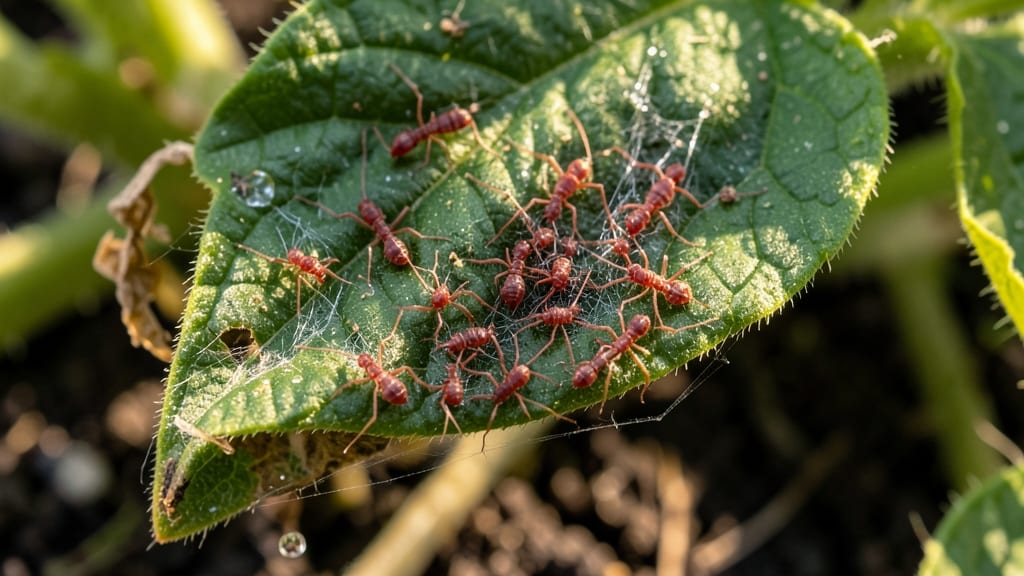
Struggling with how to get rid of red bugs outside? That boiling water trick actually works. 🌱 I’ve battled fire ants, red beetles, and mites—these pests ruin soil and chew plants in days.
The secret? A boiling water barrier that smothers nests on contact without chemicals. No more digging up colonies or waiting for slow remedies.
Most store-bought sprays miss nests hidden underground. Boiling water pours directly onto mounds, killing larvae and adults in seconds. You’ll need a kettle, protective gloves, and a 5-gallon bucket for larger infestations. The best part? It’s plant-safe and works in minutes—not hours like diatomaceous earth.
After treatment, watch for new mounds in 24-48 hours. Repeat if needed, but combine with prevention: spread diatomaceous earth around plants and trim grass to remove hiding spots. Your garden will stay pest-free without harsh chemicals.
Works for fire ants, red harvester ants, and even some beetle grubs. No more digging up your yard—just pour, wait, and enjoy bug-free soil. Let’s tackle this together!
The Root Causes Behind Red Bugs
Those pesky red invaders—whether they’re harlequin bugs, red fire ants, or red chiggers—don’t just appear out of nowhere. Their presence is usually a mix of environmental factors, human activity, and natural behaviors.
Understanding why they show up is the first step to stopping them in their tracks. Let’s break down the science behind their sudden appearances.
Red bugs thrive in unmaintained yards because overgrowth provides the perfect hiding spots, food sources, and nesting grounds. Here’s how it works:
- Shelter: Tall grass, dense shrubs, and leaf litter create microclimates that protect them from predators (like birds or lizards) and extreme weather. Harlequin bugs, for example, lay eggs in soil covered by weeds, while fire ants build mounds in shaded, moist areas.
- Food sources: Many red bugs feed on plants. Overgrown gardens or mulch piles attract them because they’re rich in organic matter. Red chiggers (larvae of harvest mites) often infest tall grass and brush, waiting to latch onto passing hosts.
- Moisture retention: Thick vegetation traps humidity, which red bugs—especially fire ants—need to survive. Their mounds are often found near leaky sprinklers or damp soil.
Actionable insight: Regular mowing, trimming, and clearing debris disrupt their life cycle. Aim for 3-inch-tall grass max and remove leaf piles to starve them of resources.
Red bugs don’t just camp outside—they’re opportunistic hitchhikers. Your home’s structural flaws or poor maintenance can turn your property into a red bug buffet. Here’s how:
- Cracks and gaps: Fire ants and harlequin bugs squeeze through tiny openings (as small as 1/8 inch) to raid kitchens or basements. They’re drawn to moisture, food crumbs, and warmth.
- Poor drainage: Standing water near foundations or walkways creates ideal nesting zones. Red chiggers and ant colonies flourish in soggy soil, often near downspouts or AC units.
- Firewood and debris: Stacked woodpiles or compost bins become temporary hotels. Harlequin bugs hide in bark, while ants nest in rotting logs.
Actionable insight: Seal cracks with caulk, fix leaks, and store firewood 20+ feet from your home. Use gravel barriers (not mulch) near foundations to deter moisture-loving pests.
Red bugs follow a predictable seasonal schedule, and their appearances are tied to temperature, rainfall, and mating cycles. Here’s the science:
| Bug Type | Peak Season | Why They Show Up Now |
|---|---|---|
| Harlequin Bugs | Spring–Summer (March–July) | Adults emerge to mate and lay eggs in warm, damp soil. Their bright red color warns predators: “I’m toxic!” (They secrete foul-tasting chemicals.) |
| Red Fire Ants | Summer–Fall (June–October) | Colonies expand aggressively when temperatures hit 75–95°F. They raid for food and relocate queens before winter. |
| Red Chiggers | Late Spring–Early Fall (April–September) | Larvae hatch when soil moisture rises after rain. They climb tall grass to wait for hosts (like pets or humans). |
Actionable insight: Time your preventive treatments (like boiling water barriers) before their peak seasons. For example, tackle fire ants in early summer when colonies are young and vulnerable.
Red bugs aren’t equally distributed—they’re region-specific and thrive in certain climates. Here’s where they love to set up shop:
- Harlequin bugs: Common in cooler, wetter climates (e.g., Pacific Northwest, Northeast). They detest heat and die off in dry summers.
- Red fire ants: Dominate southern U.S. states (Texas, Florida, Georgia) due to high humidity and warm winters. They avoid freezing temps.
- Red chiggers: Flourish in wooded or grassy areas with moderate rainfall (Midwest, Southeast). Droughts reduce their numbers.
Actionable insight: If you live in a fire ant hotspot, consider year-round monitoring. In harlequin bug zones, dry summers can break their life cycle—use this to your advantage with mulch alternatives (like gravel).
💡 Pro Tip: Red bugs often follow disturbances. If you’ve recently tilled soil, planted new gardens, or had construction, you’ve likely accidentally invited them. Disrupt their new homes with boiling water or vinegar sprays to reset the cycle.
Quick Fixes for Red Bugs Outside
Now that you know what’s bringing those pesky red invaders to your yard, it’s time to take action! The good news? You don’t need harsh chemicals or expensive treatments to send them packing.
Below, we’ve mapped out practical, step-by-step solutions tailored to the most common causes—plus prevention tips to keep them from crashing your next backyard barbecue.
---
Red bugs (like boxelder bugs or fire ants) often seek shelter in cracks, gaps, or under siding. Smother their entry points before they move in for good.
#### 🔨 Seal the Gaps 1. Inspect your home’s exterior 🕵️♂️—focus on windows, doors, vents, and foundation cracks. 2. Use caulk or weatherstripping 🛠️ to seal tiny openings (¼ inch or larger). 3. Apply fine mesh screens 🪟 on vents or crawl spaces to block tiny intruders.
#### 💦 Boiling Water Barrier (For Nests) If you spot a nest near your home: - Pour boiling water directly onto the nest 🔥—this kills eggs and adults instantly. - Repeat every few days until the nest is gone. - Wear gloves and eye protection—steam can be dangerous!
#### 🌿 Natural Deterrents - Spread diatomaceous earth (DE) 🪨 around the foundation—it dehydrates bugs on contact. - Plant bug-repelling herbs like mint, basil, or lavender near entry points.
✨ Pro Tip: Check for nests in mulch piles, woodpiles, or under patio furniture—these are prime hiding spots!
---
Red bugs like chinch bugs or fire ants thrive in lawns and gardens. Starve them out and disrupt their colonies.
#### 🌱 Fix Dry, Compacted Soil 1. Aerate your lawn 🪓 to improve drainage and reduce chinch bug habitats. 2. Water deeply but less frequently 💦—bugs hate dry conditions. 3. Mow high (3–4 inches) 🌾 to shade soil and discourage egg-laying.
#### 🔥 Target Nests with Boiling Water - Locate mounds (fire ants) or yellowing patches (chinches). - Poke a hole in the nest with a stick, then pour boiling water 🔥 into the center. - Repeat weekly until the nest collapses.
#### 🪰 Use Physical Barriers - Lay down cardboard or plastic sheeting 📦 around garden beds—bugs won’t cross it. - Set up sticky traps 🕷️ near problem areas to monitor activity.
💡 Quick Fix: Dish soap spray (1 tbsp soap + 1 gallon water) kills on contact—spray directly on bugs!
---
Red bugs like aphids or mealybugs suck plant sap, weakening your greens. Knock them out fast with these tricks.
#### 🌿 Blast Them Off 1. Spray plants with a strong jet of water 💦—aphids can’t hold on! 2. Wipe leaves with a damp cloth 🧻 to remove eggs and adults.
3. Use neem oil spray 🌿 (mix 1 tbsp neem oil + 1 tsp mild soap in 1 quart water) to disrupt their life cycle.
#### 🐞 Introduce Beneficial Insects - Ladybugs or lacewings 🐞 eat red bugs naturally—buy them online or attract them with flowering plants. - Release parasitic wasps (for mealybugs)—they’re the bugs’ worst nightmare!
#### 🔪 Remove Infested Plants - Quarantine heavily infected plants 🚫—don’t compost them! - Prune and dispose of damaged leaves in sealed bags.
🎯 Prevention Tip: Rotate crops and clean up plant debris in fall to starve overwintering bugs.
--- Some bugs return because of unfixed conditions. Break the cycle with these long-term strategies:
| Problem | Solution | Prevention Step | |---------------------------|--------------------------------------|--------------------------------------| | Poor drainage | Install French drains 💦 | Grade yard to slope away from home | | Overwatered lawn | Reduce frequency, water deeply 🌱 | Use drip irrigation for gardens | | Woodpiles near home | Move piles 20+ feet away 🪵 | Store firewood on metal racks | | Standing water | Fill in low spots or add mosquito dunks 🐸 | Clean gutters regularly |
--- Final Thought: The key to winning the war against red bugs is speed and consistency. Act fast when you see them, smother nests, and prevent future invasions with simple yard tweaks.
Before you know it, your outdoor space will be bug-free and back to being your happy place! 🏡✨
Frequently asked questions
What are the most common types of red bugs I might see outside?
The most likely culprits are fire ants (aggressive mound-builders), harlequin bugs (red with black markings that attack plants), and red chiggers (tiny mites that cause itchy bites). Other possibilities include boxelder bugs (flat red bugs near trees) or red beetles (often found in gardens). Identifying them helps determine the best treatment.
Is boiling water safe for plants and pets?
When used correctly, boiling water is plant-safe if you avoid direct contact with roots or tender shoots. For pets, keep them away from treatment areas for 24 hours—the steam can be uncomfortable. Always test a small area first, especially near delicate plants like herbs or flowers.
How often should I repeat the boiling water treatment?
For active nests, repeat every 2-3 days for 1-2 weeks to ensure all eggs and new hatchlings are eliminated. Fire ant colonies may require 3-4 weeks of consistent treatment. Monitor the area daily for new mound activity—if you see fresh dirt being moved, the colony may still be active.
Will vinegar or dish soap kill red bugs as effectively?
Vinegar and dish soap work for surface bugs but won't penetrate nests like boiling water. A 1:1 vinegar-water spray kills visible bugs on contact, while dish soap spray (1 tbsp soap per gallon water) works well for aphids or mealybugs. For nests, boiling water remains the most reliable method—these solutions are better for prevention or light infestations.
What should I do if the bugs keep coming back after treatment?
Persistent red bugs usually mean new colonies are forming nearby. Check for hidden nests in woodpiles, mulch beds, or under patio furniture. Combine boiling water with preventive measures: spread diatomaceous earth around your yard's perimeter, plant bug-repelling herbs (like mint or basil), and maintain 3-inch-tall grass max to remove hiding spots.