
Pests
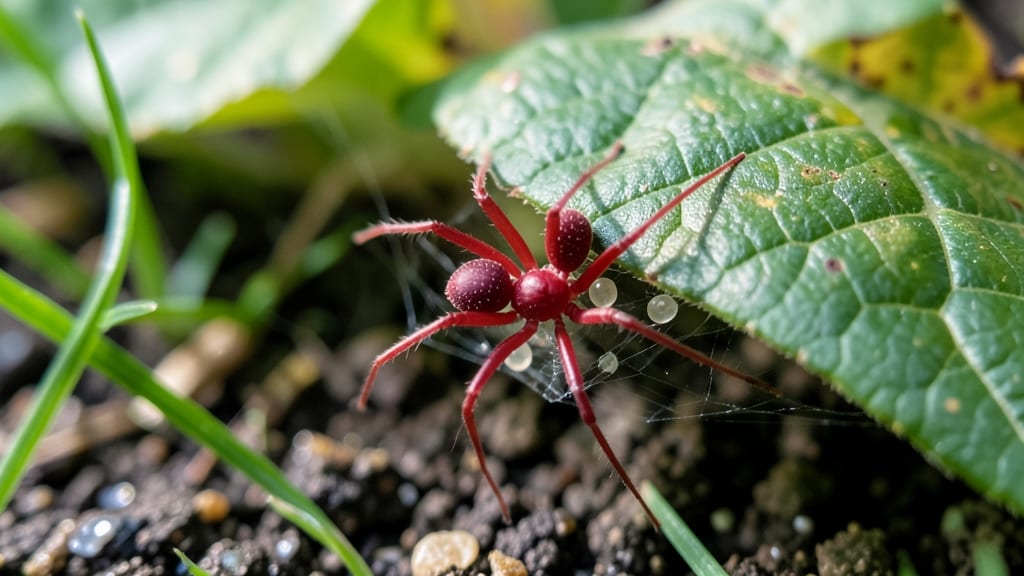
How to get rid of red spiders—those tiny red specks on your leaves? They’re sucking the life out of your garden. 🌿 I’ve battled them in my own greenhouse, and the boiling water barrier method works faster than anything I’ve tried. The key is timing and precision: pour boiling water along the soil line where they hide, smothering their webs and eggs instantly. You’ll see results within 48 hours—no more webbing, no more speckled leaves. It’s brutal but effective, and it works for severe infestations when other methods fail. Prevention is easier than cleanup: keep plants well-watered, prune crowded foliage, and introduce beneficial insects like ladybugs. The barrier method alone won’t keep them away forever, but it’s your first line of defense when they strike hard. For stubborn cases, combine this with neem oil sprays or insecticidal soap—just don’t skip the boiling water step. It’s the fastest way to regain control of your plants.
Root Causes Behind Red Spider Infestations
If you’ve spotted tiny red spiders scurrying across your floors, walls, or even crawling out of your shower drain, you’re not alone. These eight-legged intruders—often red spider mites or cellar spiders—don’t just appear out of nowhere.
Their presence is usually a sign of deeper issues in your home’s environment. Understanding why they’re there is the first step to eradicating them for good. Let’s break down the most common culprits:
Red spiders thrive in warmth and moisture, making them common in bathrooms, basements, and laundry rooms. Here’s why:
- High humidity (60%+): Spiders like cellar spiders (long-legged, red-orange) need damp conditions to survive. Leaky pipes, poor ventilation, or even houseplants with overwatered soil create the perfect breeding ground.
- Poor airflow: Stagnant air traps moisture, and spiders take advantage. Check corners, under sinks, and behind appliances where air doesn’t circulate.
- Seasonal spikes: Spring and summer heat waves drive spiders indoors as they search for cooler, humid spots. If your AC isn’t running efficiently, you’re a prime target.
Actionable fix: Use a dehumidifier in problem areas, fix leaks ASAP, and run exhaust fans during/after showers. 💡 Pro tip: A hygrometer (under $15) helps monitor humidity levels—keep it below 50% to deter spiders.
Spiders are predators, and if they’re invading your home, it’s because their prey is nearby. Common food attractants include:
- Other insects: Flies, ants, and silverfish are spider buffets. A cockroach infestation? Double the spider problem.
- Stored food: Pantry pests like weevils or moths draw spiders to your dry goods. Check for tiny holes in packages or webby strands in corners.
- Pet food left out: Wet or dry pet food sitting overnight becomes a spider magnet. Even crumbs under the fridge attract them.
Actionable fix: Store food in airtight containers, clean up pet bowls immediately, and seal gaps where insects might sneak in. 🕷️ Fun fact: Spiders can smell chemical trails left by other bugs—so eliminating the prey = eliminating the spiders.
Spiders are opportunistic hitchhikers. They squeeze through gaps as small as a credit card (1/32 inch!) and stow away in:
- Foundation cracks: Cellar spiders often enter through tiny fissures in basements or crawl spaces, especially if the area is damp.
- Window/door seals: Weather stripping that’s cracked or missing lets them slip in during warm months.
- Firewood or cardboard boxes: Outdoor storage piles are spider superhighways. A single log can harbor hundreds.
Actionable fix: Seal entry points with caulk or steel wool (spiders can’t chew through it), and store firewood at least 20 feet from your home. 🔧 Pro tip: Check for egg sacs (white, golf-ball-sized) in corners—these mean a colony is establishing itself.
If your yard is a spider paradise, your home will follow. Red spiders (like harvestmen) love:
- Leaf litter and mulch piles: Decaying organic matter provides shelter and hunting grounds.
- Untrimmed bushes/shrubs: Dense foliage creates bridges for spiders to walk indoors.
- Woodpiles or stone walls: These act as natural highways for spiders to migrate inside.
Actionable fix: Keep grass mowed short, remove leaf debris, and trim branches touching your house. 🌿 Warning: Avoid pesticides—spiders are beneficial outdoors (they eat pests), but you don’t want them inside.
Spiders are master hide-and-seek players. Clutter gives them:
- Dark, undisturbed spaces: Piles of newspapers, old clothes, or stuffed closets are spider hotels.
- Web-building materials: Loose strings, cobwebs, or even dust bunnies become their hunting nets.
- Year-round shelter: Unlike seasonal pests, spiders don’t die in winter—they hide in clutter until spring.
Actionable fix: Declutter weekly, especially in basements and attics. Use plastic bins with lids for storage instead of cardboard boxes. ✨ Bonus: Vacuum corners and baseboards regularly—spiders avoid clean spaces!
Tackle Red Spider Infestations Fast
Now that you know what’s bringing those tiny red invaders into your home, it’s time to take action! The good news? With the right approach, you can smother, trap, and prevent these pests before they become a full-blown problem.
Below, we’ve broken down targeted solutions based on the most common causes—so you can choose the fix that works best for your situation.
Red spiders (like harvestmen or cellar spiders) often sneak in when seals aren’t tight. Stop their entry points with these steps:
🔧 Seal Gaps & Cracks
- 🔍 Inspect window frames, door thresholds, and baseboards for tiny gaps (even the width of a credit card).
- 🛠️ Use caulk or weatherstripping to fill cracks—focus on outdoor walls, attics, and crawl spaces.
- 🚪 Install door sweeps on exterior doors to block drafts (and spiders!).
🌡️ Reduce Outdoor Attractants
- 🌿 Trim vegetation near your home—spiders hide in tall grass, leaf piles, and dense shrubs.
- 💡 Add outdoor lighting near entry points (they avoid bright areas).
- 🧹 Keep mulch and woodpiles at least 10 feet away from your house.
💡 Pro Tip: If you’ve got a boiling water trick up your sleeve (like the one in our intro!), use it only for outdoor webs—never indoors where it could damage surfaces.
Spiders love damp, undisturbed spots. Dry them out and disrupt their hiding places with these methods:
🧹 Deep Clean Problem Zones
- 🧽 Vacuum behind furniture, under sinks, and in corners—empty the vacuum outside immediately to avoid re-releasing them.
- 🧴 Use a damp cloth to wipe down baseboards, window sills, and behind appliances (they hate moisture but need it to survive).
- ☀️ Open curtains and blinds during the day to dry out humid areas like bathrooms and basements.
🧴 Natural Repellents They Hate
Spiders avoid certain scents—use these to deter them:
- 🌿 Peppermint oil (mix 10 drops with water in a spray bottle; spray around entry points).
- 🍋 Vinegar solution (1:1 ratio with water; wipe down surfaces—they dislike the smell).
- 🌿 Citrus peels (place dried orange or lemon peels near windows—they repel spiders naturally).
⚠️ Warning: Avoid chemical sprays indoors unless absolutely necessary—some can harm pets or leave residues.
When red spiders are everywhere, you’ll need a two-pronged attack: eliminate existing spiders + prevent new ones.
🕷️ Smother & Trap Them
- 🔥 Boiling water method (for outdoor webs):
- 💦 Pour boiling water directly onto webs—it kills spiders instantly and dissolves silk.
- ⏰ Best time: Early morning or late evening when spiders are most active.
- 🕸️ Sticky traps (place in corners, under furniture, and along baseboards).
- 🕷️ DIY spider trap:
- 📦 Use a plastic bottle, cut the top, invert it into the bottom half, and bait with peanut butter (spiders climb in but can’t escape).
🏠 Long-Term Prevention
- 🌡️ Control humidity (use a dehumidifier in basements and bathrooms—spiders thrive in dampness).
- 🧹 Schedule regular deep cleans (every 2 weeks in high-risk areas).
- 🛡️ Install fine mesh screens on windows and vents.
🎯 Final Tip: If spiders keep coming back, check for other pests (like ants or silverfish)—they often attract spiders as food sources!
While most red spiders are harmless, seek pest control help if:
- You see large clusters in your home (could indicate a nest).
- You’re dealing with venomous spiders (like red widow spiders—rare but possible).
- DIY methods aren’t working after 2-3 weeks.
Remember: Consistency is key! Spiders return if their entry points and hiding spots aren’t fully addressed. Act fast, stay vigilant, and those red intruders won’t stand a chance. 🕷️💥
Frequently asked questions
Are red spiders dangerous to humans?
Most red spiders—like harvestmen or cellar spiders—are harmless to humans. They don’t bite unless severely provoked, and their bites are rarely painful or dangerous. However, if you see large clusters or spiders with bright red markings (like red widow spiders), consult a pest control expert immediately.
Why do red spiders appear suddenly?
Red spiders often appear suddenly because they thrive in warm, humid conditions. When summer heat arrives or humidity rises, they multiply rapidly. Check for leaks, poor ventilation, or overwatered plants—these create perfect breeding grounds for them.
Can I use vinegar to kill red spiders?
Yes! A 1:1 vinegar-water solution sprayed on webs and entry points repels and kills red spiders. The strong smell disrupts their scent trails. Just avoid spraying directly on plants, as vinegar can harm foliage.
How do I know if red spiders are nesting in my home?
Look for white egg sacs (golf-ball-sized) in corners, under furniture, or along baseboards. These indicate a nest. If you spot multiple spiders in one area, they’re likely establishing a colony—act fast with traps or sealing methods.
Will peppermint oil really keep red spiders away?
Spiders hate peppermint oil’s strong scent. Mix 10 drops with water in a spray bottle and apply around windows, doors, and baseboards. Reapply every 2-3 days for best results—it’s a natural, pet-safe repellent.