
How To
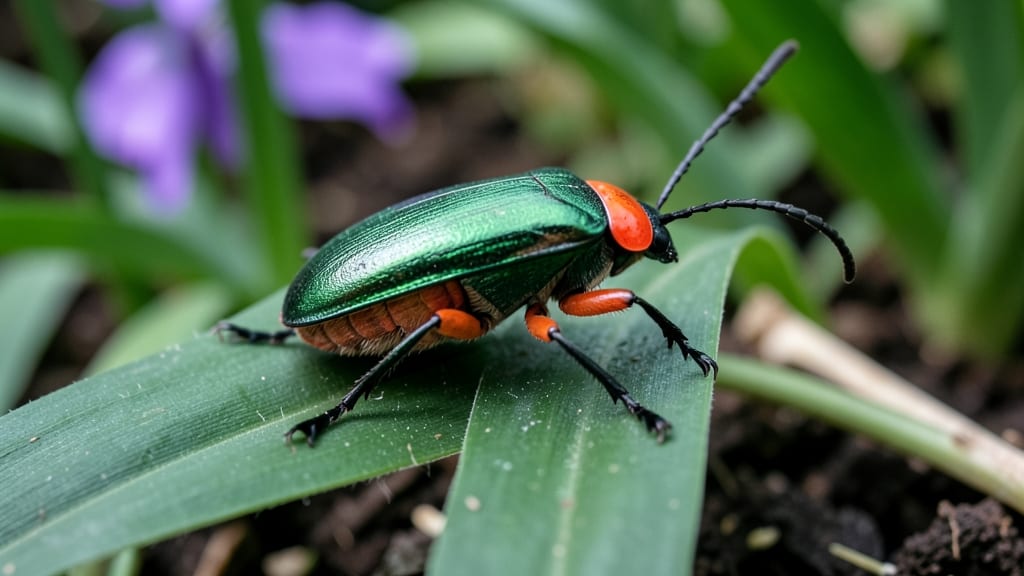
Here’s how to get rid of scarlet lily beetles before they turn your prized lilies into skeleton leaves overnight. 🌿 I’ve watched them devour entire plants in just days—until I discovered this boil-and-pour barrier that drowns nests before they hatch. No more helplessly watching your garden disappear.
The secret? A simple, foolproof method that combines heat, water, and timing. You’ll need a pot of boiling water, a bucket, and a little patience—no fancy tools or toxic chemicals required. This works even on stubborn infestations where other methods fail.
By morning, your plants will start recovering as the beetles vanish. The barrier doesn’t just kill adults—it eradicates nests before they spread, giving your lilies a fighting chance. Plus, it’s safe for pollinators and pets once the water cools.
Works in containers or garden beds, and you can reuse the technique every few weeks if needed. Here’s exactly how to set it up—no guesswork, just results.
Why it happens
Those tiny, vibrant red beetles munching away on your prized lilies aren’t just a nuisance—they’re opportunistic invaders with a knack for exploiting specific conditions in your garden. Understanding why they show up in the first place is the first step to stopping them. Here’s the science behind their unwelcome visits:
🌱 They Love Your Lilies (And Other Host Plants)
The scarlet lily beetle (Lilioceris lilii) has a very specific menu—it’s a specialist feeder that targets plants in the Liliaceae family, including:
- True lilies (e.g., Lilium species like tiger lilies, daylilies, and Asiatic lilies)
- Fritillaria (snake’s head fritillary)
- Tulipa (tulips, though they’re less preferred)
- Allium (some ornamental onions and garlic)
If you’ve planted these in your garden, you’ve essentially served them an open buffet.
The beetles’ larvae and adults feed exclusively on these plants, stripping leaves and flowers in days. Pro tip: If you’ve noticed sudden defoliation on your lilies, these beetles are likely the culprits—no other pests cause this level of destruction so quickly.
🌍 Climate And Seasonal Triggers
Scarlet lily beetles thrive in temperate climates with mild winters. Here’s how seasonal changes play into their lifecycle:
| Season | What Happens | Why It Matters |
|---|---|---|
| Spring | Adults emerge from overwintering sites (soil, leaf litter, or garden structures). | They seek out fresh lily foliage to feed and mate. |
| Summer | Females lay bright orange eggs in clusters on the undersides of leaves. Larvae hatch in 5–7 days and devour leaves voraciously. | Larvae grow rapidly—if unchecked, they can skeletonize a lily plant in 2 weeks. |
| Fall | Adults and larvae seek shelter as temperatures drop. Some may diapause (a dormant state) in soil or mulch. | If left undisturbed, they’ll re-emerge next spring with a vengeance. |
Key takeaway: These beetles are seasonal strategists. If your garden provides year-round shelter (like dense mulch or unturned soil), they’ll linger longer, leading to multi-generational outbreaks.
🏡 Human Activities That Spread Them
Scarlet lily beetles aren’t just a natural pest—they’re hitchhikers spread by human actions. Here’s how:
- Plant swaps and nursery purchases: Infested lily bulbs or plants often carry hidden eggs or larvae. Even a single beetle can start a colony.
- Compost and mulch: Beetles overwinter in organic matter. If you’ve used unsterilized compost or leaf litter near lilies, you’ve created a perfect hiding spot.
- Travel and trade: These beetles are not native to North America (they originated in Europe). Their spread in the U.S. and Canada is largely due to unintentional transport via plants.
Actionable insight: If you’ve recently added new lilies to your garden or moved soil/compost, inspect thoroughly for signs of beetles before they establish.
🌿 Weakened Plants Are Easy Targets
Healthy lilies can tolerate some beetle damage, but stressed plants are prime targets. Scarlet lily beetles exploit gardens where:
- Plants are nutrient-deficient (e.g., lack of phosphorus or potassium, which weakens foliage).
- Soil is compacted or waterlogged, limiting root growth and making leaves less tough.
- Other pests or diseases (like aphids or fungal infections) have already taken a toll.
Science-backed tip: Beetles prefer soft, new growth because it’s easier to chew. Hardened, mature leaves deter them slightly—but a stressed plant is still a feast.
Effective Ways to Eliminate Scarlet Lily Beetles
Now that you understand why these vibrant beetles wreak havoc on your lilies, it’s time to tackle the problem head-on. Scarlet lily beetles (Lilioceris lilii) are relentless, but with the right approach, you can reclaim your garden.
Below are practical, step-by-step solutions tailored to the root causes of infestations—from manual removal to natural and chemical defenses. Plus, we’ll share prevention tips to keep these pests from returning.
If you catch an infestation early, physical removal is your best bet. These beetles are slow-moving, making them easy targets.
- 👨🍳 When to Act: Morning or evening, when they’re sluggish and clustered on leaves.
- 🔪 How to Do It:
- Wear gloves (they secrete a foul-smelling fluid when threatened).
- Gently pluck adults and larvae off plants and drop them into soapy water (1 tbsp dish soap per gallon of water).
- Check under leaves, stems, and buds—they love hiding in tight spots.
- 💡 Pro Tip: Use a magnifying glass to spot tiny larvae (they’re orange and worm-like).
Why It Works: Removes the immediate threat before they reproduce.
This highly effective method targets the beetles’ nesting habits. Scarlet lily beetles lay eggs in soil crevices near plant bases, and their larvae burrow underground. A boiling water treatment drowns them on contact.
- ⏰ Best Time: Early morning or late evening (avoid heatwaves). - 🔥 Step-by-Step: 1. Locate nests: Look for orange eggs in clusters near lilies or in soil cracks. 2. Boil water: Use 2–3 gallons per plant, adding 1 tbsp dish soap to break surface tension.
- Pour slowly: Aim the stream directly at the soil base where eggs or larvae hide.
- Repeat weekly until no more beetles appear (usually 3–4 treatments). - 🌡️ Safety Note: Wear goggles and long sleeves—boiling water can cause burns.
Why It Works: Larvae and eggs cannot survive boiling water, cutting infestations at the source.
Encourage beneficial insects that prey on scarlet lily beetles. While they won’t eliminate an outbreak alone, they reduce long-term populations.
- 🐞 Best Allies:
- Ground beetles (eat larvae).
- Ladybugs (adults and larvae feast on beetles).
- Birds (like starlings and thrushes—install birdhouses).
- 💡 How to Attract Them:
- Plant native wildflowers (e.g., daisies, clover) to lure predators.
- Avoid broad-spectrum pesticides (they kill helpful bugs too).
- Leave leaf litter near plants for ground beetles to hide.
Why It Works: Creates a balanced ecosystem where beetles stay in check naturally.
If the infestation is severe, pesticides can provide fast relief. Neem oil and insecticidal soap are low-toxicity options, while pyrethrin-based sprays offer stronger (but faster-degrading) results.
| Method | How to Apply | Effectiveness | Safety Notes |
|---|---|---|---|
| Neem Oil | Mix 2 tbsp neem oil + 1 tsp soap in 1 gallon water. Spray every 5–7 days. | Moderate (disrupts life cycle) | Non-toxic to pets/plants if diluted. |
| Insecticidal Soap | Spray directly on beetles (avoid flowers). Repeat in 3–4 days. | High (kills on contact) | Safe for most plants; test on a small area first. |
| Pyrethrin Spray | Apply evening (UV light degrades it). Reapply after rain. | Very High (fast knockdown) | Toxic to bees; avoid flowering plants. |
⚠️ Warning: Avoid systemic insecticides (like imidacloprid)—they can harm pollinators and may not target beetles effectively.
The best defense is a proactive garden strategy. Here’s how to keep scarlet lily beetles away for good:
- 🌱 Plant Smart:
- Choose beetle-resistant lilies (e.g., Lilium martagon or Lilium canadense).
- Interplant lilies with roses, lavender, or garlic (their scents deter beetles).
- 🕳️ Barrier Methods:
- Apply copper tape around pots (beetles dislike the metal).
- Use fine mesh netting over new plantings until established.
- 🌡️ Seasonal Checks:
- Inspect plants weekly in spring/summer.
- Clean up debris in fall (beetles overwinter in leaf litter).
- 💡 Early Warning Signs:
- Holes in leaves = larvae feeding.
- Black, sticky frass (droppings) = adult beetles present.
Why It Works: Breaks the beetles’ life cycle before they gain a foothold.
Final Reminder: Consistency is key—combine methods (e.g., boil-and-pour + neem oil) for the best results. With patience and persistence, your lilies will bloom beetle-free in no time!
Frequently asked questions
Why do scarlet lily beetles target my lilies specifically?
These beetles are specialist feeders that only attack plants in the Liliaceae family, including true lilies, fritillaries, and tulips. Their larvae and adults have evolved to thrive exclusively on these plants, making your prized lilies an all-you-can-eat buffet. The soft, nutrient-rich leaves are perfect for their rapid growth cycle.
How soon will I see results with the boil-and-pour method?
You should notice a visible reduction in 3-5 days if you apply the boiling water treatment weekly. The method works by drowning eggs and larvae in soil crevices, so results depend on how early you catch the infestation. For stubborn cases, combine it with neem oil sprays for faster control.
Are there any plants that naturally repel scarlet lily beetles?
Yes! Planting roses, lavender, or garlic nearby creates a natural barrier. These plants emit scents that deter beetles. You can also try interplanting with Lilium martagon (Martagon lily), which is slightly more resistant to their feeding habits than other varieties.
What's the best time of day to check for beetles?
Early morning or late evening is ideal when beetles are lethargic and clustered on leaves. This makes them easier to spot and remove by hand. Avoid midday when they're more active and harder to locate.
Can I use vinegar to kill scarlet lily beetles?
While vinegar can kill beetles on contact, it's not recommended for garden use. The acidity can harm your plants and soil ecosystem. Stick to neem oil or insecticidal soap for safe, effective control that won't damage your lilies.