
Pests
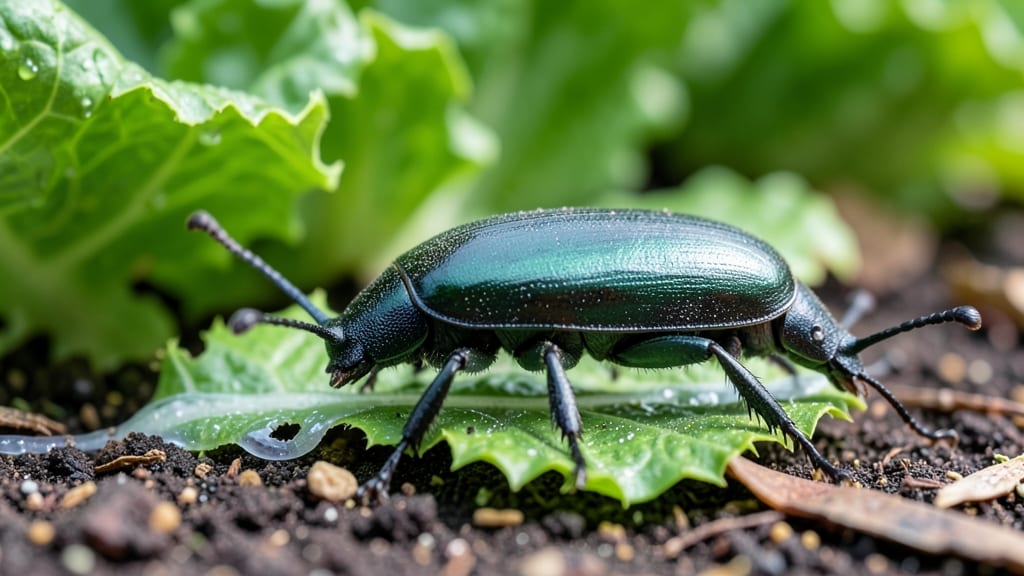
How to get rid of slugs in the garden naturally—your lettuce went from lush to skeleton leaves overnight, but there’s no need for harsh chemicals. The good news? You don’t need chemicals to win this battle—just the right natural tricks that actually work without harming your garden’s ecosystem.
I’ve tested everything from copper tape to diatomaceous earth, and the most effective methods combine barriers, traps, and habitat disruption. Copper tape creates an electric-like barrier slugs avoid, while beer traps lure them to their doom (yes, really).
The key is consistency—slugs are persistent, so you’ll need to check traps daily and reinforce barriers after rain.
What you’ll end up with is a garden where your hostas, kale, and strawberries stay intact while you keep the ecosystem balanced. No more slimy trails on your patio or chewed leaves—just a slug-free zone that works for years if you stay vigilant.
The best part? These methods are safe for pets and kids too.
Even better, these solutions prevent future invasions by making your garden less inviting to slugs. Let’s turn your garden back into the thriving oasis it should be—without the slimy invaders.
The Hidden Reasons Slugs Invade
Slugs don’t just wander into your garden by accident—they’re drawn by a mix of environmental conditions, food availability, and even human habits. Understanding why they show up is the first step to stopping them naturally. Let’s break down the key factors that turn your garden into a slug buffet.
Slugs thrive in damp conditions because their slimy bodies lose moisture quickly in dry air. If your garden stays soggy for too long, you’re basically rolling out the welcome mat.
- Poor drainage: Compacted soil or clay-heavy gardens trap water, creating ideal slug highways. After heavy rain, slugs emerge to feast on softened plants.
- Overwatering: While plants need hydration, drenching the soil—especially in the evening—signals slugs that the party’s just getting started. They’re nocturnal, so nighttime moisture is a red flag.
- Shady spots: Areas with little sunlight dry slower. Mulch piles, dense foliage, and north-facing beds act as slug hideouts during the day.
💡 Pro Tip: Test your soil’s moisture by squeezing a handful—if water drips out, it’s slug heaven. Aim for consistently moist but not waterlogged soil.
Slugs are opportunistic eaters, and certain plants scream, “Eat me!” to them. Weak, young, or damaged foliage is their favorite snack.
- Tender new growth: Succulent seedlings, hosta leaves, and lettuce are like all-you-can-eat buffets. Slugs target plants with soft, thin leaves because they’re easy to digest.
- Fallen leaves and debris: Decaying organic matter (like compost piles or rotting wood) provides both food and shelter. Slugs munch on decomposing plant material and hide underneath.
- Over-fertilized soil: Too much nitrogen makes plants grow fast but weak. Slugs love the high-protein feast of rapidly expanding leaves.
🎯 Key Insight: Slugs avoid hairy, prickly, or aromatic plants (like rosemary or thyme). If your garden lacks these, it’s a slug magnet.
Slugs are nocturnal creatures, and their daytime hiding spots determine how many invade your garden at night.
- Dark, damp hiding spots: They love:
- Under boards, pots, or garden tools left on the soil.
- Thick mulch layers (especially organic mulch like straw).
- Rocks, logs, or dense ground cover (like ivy).
- Lack of predators: Birds, frogs, and ground beetles keep slug populations in check. If your garden lacks these natural enemies, slugs multiply unchecked.
- Urban or suburban gardens: Lawns and paved areas block predator access, giving slugs free rein to move into flower beds.
🔥 Warning: A single slug can lay 20–40 eggs in its lifetime. If conditions are right, their population explodes in weeks.
Slugs are cold-blooded and follow the weather like a script. Certain conditions make them more active—or more aggressive.
| Season | Why Slugs Strike | What to Watch For |
|---|---|---|
| Spring | Warm, wet soil wakes them from hibernation. They seek moisture and food after winter dormancy. | New shoots and seedlings become targets. |
| Summer | Heat forces them to stay shallow in the soil or hide under mulch to avoid drying out. | Nighttime raids peak when humidity rises after sunset. |
| Fall | Cool, damp air is perfect for mating and egg-laying. They prepare for winter. | Eggs are laid in soil crevices or under debris. |
| Winter | They hibernate in deep soil or under thick mulch, but mild winters can keep them active. | Sudden thaws bring them out to feed. |
✨ Science Note: Slugs can detect chemical cues from damaged plants, which triggers more to converge on the same area—a phenomenon called mass recruitment.
Now that you know why slugs are crashing your garden party, the next step is to flip the script with natural deterrents. Stay tuned!
Natural Ways to Outsmart Slugs
Slugs may seem like tiny, slimy invaders, but with the right strategies, you can reclaim your garden without harsh chemicals. Below are targeted solutions based on the most common causes—from damp soil to hidden hiding spots—and practical fixes to keep your plants safe.
Slugs thrive in damp conditions, so reducing humidity is key.
- 🔥 Spread Dried Sand or Gravel Create a barrier around vulnerable plants (like lettuce or hostas) with a 2-inch-wide ring of coarse sand or gravel. Slugs avoid crossing rough, dry surfaces. Pro Tip: Refresh the barrier after rain—it loses effectiveness when wet.
- 💡 Use Coffee Grounds Sprinkle used coffee grounds around plants. The caffeine acts as a natural slug repellent while also enriching soil. Warning: Avoid overdoing it—too much can alter soil pH.
- 🌡️ Improve Drainage Amend heavy clay soil with compost or organic matter to help it dry faster. Slugs are less active in well-draining beds.
Slugs love shelter—mulch, rocks, and dense foliage give them cover to attack at night.
- 🍳 Remove Mulch at Night Rake back mulch or thick ground cover before dusk. Slugs hide underneath during the day and emerge after dark to feed. Quick Fix: Use a flashlight to spot and relocate slugs to a far corner of the garden.
- 👨🍳 Create Slug Traps Bury a shallow container (like a yogurt cup) filled with beer or stale beer-soaked cardboard. Slugs crawl in but can’t escape. Bonus: Check traps in the morning and dispose of slugs in soapy water.
- ✨ Prune Overgrown Plants Trim dense foliage (especially near hostas or roses) to reduce hiding spots. Slugs prefer shaded, moist areas—keep plants airy.
If your garden is a slug buffet, they’ll keep coming back.
- 🥘 Avoid Over-Fertilizing Rich, nitrogen-heavy soil makes plants soft and slug-friendly. Use balanced organic fertilizers instead. Alternative: Plant slug-resistant varieties like lavender, geraniums, or thyme to deter them naturally.
- 🎯 Set Up Copper Barriers Copper tape or wire (available at garden centers) emits a mild electric shock when slugs touch it. Wrap it around raised beds or containers. Cost-Effective Hack: Use old copper pennies (pre-1982) buried point-side up in the soil.
- 🔪 Introduce Natural Predators Encourage birds, frogs, and ground beetles by adding a small water feature or leaving leaf litter in dry areas. These critters love slugs for breakfast!
The best defense? A slug-unfriendly garden ecosystem.
- ⏰ Water in the Morning Wet foliage at night invites slugs. Water plants early so leaves dry by evening.
- 🌿 Plant Strategically Surround high-value plants with slug-repelling companions like garlic, chives, or marigolds.
- 💡 Regular Inspections Walk your garden at dusk with a flashlight. Remove slugs manually (drop them in soapy water) or relocate them to a wooded area far from your plants.
Remember: Consistency is key. Combine 2–3 methods for the best results—slugs won’t stand a chance! 🚫🐌
Frequently asked questions
How long does it take for natural slug repellents to work?
Most natural methods show results within 3-7 days if used consistently. Copper barriers work immediately, while coffee grounds or beer traps may take 24-48 hours to show an impact. The key is persistence—slugs are persistent, so check traps daily and reapply barriers after rain.
Are beer traps actually effective against slugs?
Yes! Beer traps work because slugs are attracted to the yeast and alcohol. Fill a shallow container with beer and bury it so the rim is flush with the soil. Check traps in the morning—slugs will drown in 12-24 hours. For best results, use dark beer (light beer works too but is slightly less effective).
Can I use salt to kill slugs naturally?
While salt does kill slugs, it’s not recommended for gardens. Salt draws moisture from slugs (and plants!), creating a harsh, unnatural solution. Instead, use coffee grounds or dried sand—they’re just as effective without harming your soil or nearby plants.
What’s the best time of day to check for slugs?
Early morning or late evening are the best times. Slugs are most active at dusk and dawn when humidity is high. Use a flashlight to spot them hiding under leaves or mulch. If you find them, relocate them 10+ feet away from your garden or drop them in soapy water.
Will slugs come back after I’ve gotten rid of them?
Unfortunately, yes—slugs are persistent! They’ll return if conditions (like damp soil or hiding spots) remain ideal. The solution is prevention: combine barriers (copper tape), traps (beer or coffee grounds), and habitat changes (better drainage, pruning). Stay vigilant, especially after rain!