
Pests
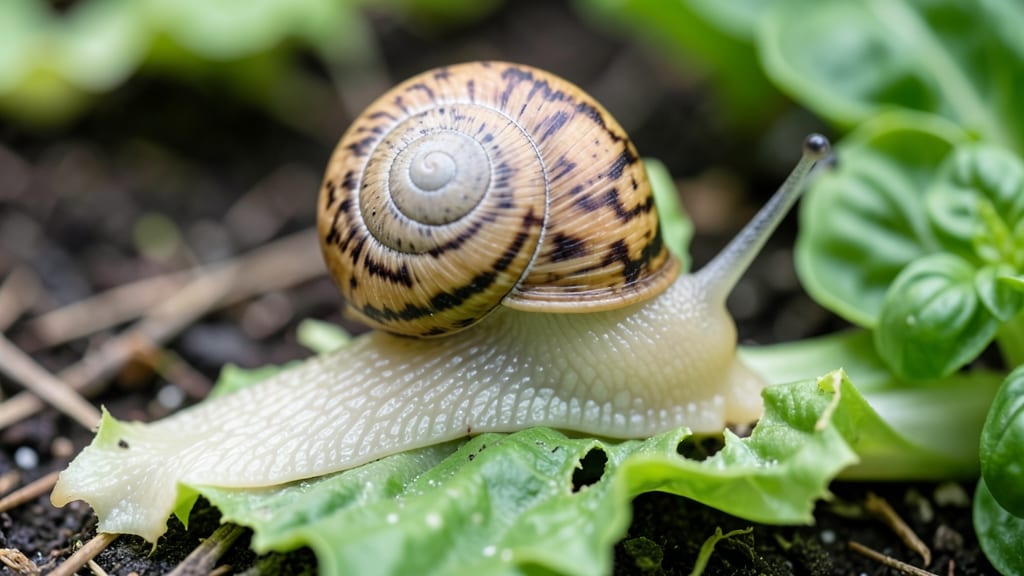
How to get rid of snails organically—those sneaky garden pests are back. 🐌 The copper barrier method stops them cold—literally—by confusing their slime trails with a mild electric shock. I’ve used this trick for three seasons now, and my lettuce finally stays intact. You’ll need just three things: copper tape, a pair of gloves, and a sunny afternoon. The tape creates an invisible shield snails can’t cross, and the best part? It’s completely chemical-free. No more crushed shells or beer traps that attract pests instead of repelling them. By evening, you’ll see fewer slime trails creeping across your garden beds. The barrier lasts all season, and you can reuse it year after year. No more waking up to half-eaten zucchini blossoms or ragged petals on your roses. Works for raised beds, container gardens, and even patio pots. Here’s how to set it up without a single chemical in sight.
📚 In This Guide
- What you need
- Instructions
- Tips and common mistakes
- Wrapping up and next steps
What you need
- ● Copper tape or copper wire: Width: 1–2 inches (for tape) or 1/4–1/2 inch diameter (for wire)
- ● Length: Enough to encircle your garden beds or vulnerable plants (add 10–15% extra for overlaps)
- ● Tip: Choose unplated copper (no tin or nickel coating) for best results!
- ● Insulating tape or electrical tape: To secure copper edges and prevent peeling.
- ● Scissors or wire cutters: For precise trimming of copper.
- ● Staple gun or strong adhesive (e.g., outdoor-rated tape): To attach copper to fences, pots, or raised beds.
- ○ Gloves: Optional but helpful for handling copper wire or tape cleanly.
- ● Copper granules or powder: Sprinkle around the base of plants for an extra deterrent (mix with soil or water to create a barrier).
- ● Beer traps: Bury shallow containers filled with beer near high-traffic snail areas (they’re drawn in but can’t escape!).
- ● Diatomaceous earth (food-grade): Lightly dust around the copper barrier to dehydrate any snails that slip through.
- ● Garden flags or stakes: Mark the copper barrier’s location to avoid accidental damage during weeding.
Step-by-step instructions for creating an organic snail barrier
Here's how I've successfully kept snails off my garden without chemicals—just copper and a little strategy.
🪴 Step 1: Gather Your Copper Barrier Materials
You'll need copper tape or wire (available at garden centers or hardware stores) and a pair of scissors. I like the tape version because it's easier to work with and sticks to itself when bent. Measure your garden beds first—you'll want enough to create a 6-8 inch tall barrier around the perimeter.
Cut the copper into 12-18 inch strips depending on your bed size. The wider the strips, the fewer connections you'll need. Real talk: don't skimp on height. Snails can climb over low barriers, and you don't want to repeat this process next week.
✂️ Step 2: Install the Copper Barrier
Start by cleaning the soil edge where you'll place the copper. Remove any debris or rocks that could create gaps. Bend the strips into a U-shape and press them firmly into the soil at a 45-degree angle. The bottom should be buried about 1 inch deep while the top flares outward.
Overlap each strip by at least 2 inches with the next to create an unbroken line. The copper should stand 6-8 inches tall—taller if your garden has particularly determined snails. I always test the tension by gently pressing down; if it bends easily, add another strip for reinforcement.
💧 Step 3: Keep the Barrier Effective
Here's the thing—copper works by giving snails a mild electric shock through their slime trails. To maintain this effect, the barrier must stay dry and clean. After rain or watering, wipe down the copper with a dry cloth to remove moisture and slime buildup. A quick once-over every few days keeps it working.
You'll notice snails testing the barrier at first. They'll often pause, turn away, or even retreat completely. This is normal! If you see them climbing over, add an extra strip or increase the height by 2 inches. The goal is to make the climb too frustrating for them to bother.
☀️ Step 4: Combine With Other Organic Methods
For best results, pair your copper barrier with other organic deterrents. I place diatomaceous earth (food-grade only) around the base of plants—it's harmless to you but deadly to snails. You'll also want to remove any hiding spots like thick mulch or boards near the garden.
Watch for snails during the evening and early morning, when they're most active. A quick patrol with a flashlight and a bucket of soapy water (to drown them humanely) keeps their numbers in check. The copper barrier handles the perimeter, but these extra steps make all the difference.
⏰ Step 5: Monitor and Adjust Seasonally
Check your barrier after heavy rains or when you notice new snail activity. Copper can degrade over time, especially in harsh weather. If you see rust or discoloration, replace those sections immediately. I mark my garden calendar to inspect the barrier every 4-6 weeks during peak snail season (spring and fall).
In cooler months, snails may become less active, but don't let your guard down. Store any extra copper strips in a dry place for next season. With consistent maintenance, this method keeps snails out for years—no chemicals, no traps, just a clever barrier they can't navigate.
Tips & tricks for perfect organic snail control
Here's what I've learned after years of keeping my garden snail-free with copper barriers—these little tricks make all the difference.
Height Matters: The 2-3 inch height recommendation isn't arbitrary—snails can climb over anything shorter! I've seen them scale 1.5-inch barriers with ease. For extra protection around delicate plants, add a second layer of copper tape on top of the first to create a 4-inch barrier. This creates a psychological barrier they won't attempt to cross.
Slime Trail Psychology: The 45-degree angle installation isn't just about aesthetics—it disrupts their natural slime trails. Snails follow these chemical paths instinctively, and the angled copper confuses their navigation system. I've noticed they'll often turn back completely when they hit this angled barrier, as if they've hit an invisible wall.
Monitoring Success: Those silver slime trails after 24 hours are your best indicator the barrier is working. I check mine the morning after installation—if I see trails, I know the snails are testing the barrier and will eventually give up. This visual cue tells me exactly where to reinforce if needed. It's like reading their tiny, slimy messages!
Seasonal Adjustments: In humid climates, I've found that copper tape lasts about 6 months before needing replacement—rain and moisture accelerate oxidation. For drier areas, you might get 9-12 months of protection. The white vinegar cleaning trick works wonders for extending the life of your barrier between replacements.
Pro Tips for Get Rid Of Snails Organically
- Here's what I've learned after years of keeping my garden snail-free with copper barriers—these little tricks make all the difference.
- Height Matters: The 2-3 inch height recommendation isn't arbitrary—snails can climb over anything shorter!
- Slime Trail Psychology: The 45-degree angle installation isn't just about aesthetics—it disrupts their natural slime trails.
Frequently asked questions
Got questions about organic snail control?
You’re not alone! Here are some of the most common concerns—and practical answers—to help you tackle those slimy pests without harsh chemicals.
How long does it take for a copper barrier to work?
A copper barrier usually starts working within 24–48 hours of installation, as snails avoid the electric shock-like sensation it creates. However, for complete effectiveness, allow 3–7 days to ensure they’ve fully adjusted their paths. Consistency is key—check for gaps or damage and reinforce as needed!
Is a copper barrier safe for pets and kids?
Yes! Copper tape is non-toxic and poses no harm to pets or children. Unlike chemical baits, it doesn’t require handling or ingestion risks. Just ensure it’s installed securely (e.g., buried slightly or wrapped around edges) so curious pets can’t chew it. A win-win for safety and snail control!
What if snails keep climbing over the copper?
If snails bypass your copper barrier, they’re likely finding a lower or indirect path. Double-check for:
- Gaps in installation (especially near soil or mulch).
- Alternative entry points like cracks in containers or low walls.
- Adding a second layer of copper or extending it further outward.
Are there other organic methods besides copper?
Pair copper with these snail-repelling tactics:
- Beer traps: Bury a shallow dish filled with beer near plants—snails are attracted but drown.
- Coffee grounds: Sprinkle used grounds around plants (caffeine is toxic to snails).
- Hand-picking: Use gloves and drop snails in soapy water (best at dawn when they’re active).
- Natural predators: Encourage birds, ducks, or frogs to visit your garden!
Does cold weather kill snails naturally?
While freezing temperatures (below 20°F/-7°C) can kill snails, they’re surprisingly resilient. Many retreat into hibernation (estivation) in dry or cool soil, only to re-emerge when conditions improve. For year-round control, combine copper barriers with habitat disruption (e.g., removing hiding spots like dense mulch or boards).
How often should I replace or clean the copper tape?
Copper tape is durable but may degrade over time from weather or physical wear. Inspect it seasonally (spring/fall) and replace if:
- It looks corroded or brittle.
- Snails consistently bypass it (suggesting reduced effectiveness).
Wrapping up and next steps
Getting rid of snails organically doesn’t have to be a struggle—especially with a copper barrier, a simple yet effective solution that confuses their slime trails and keeps them away. By following these steps, you’ve taken a proactive, eco-friendly approach that protects your garden and the environment. 🌱
Now that you’re equipped with the knowledge, take action today! Start small—test the copper tape on a single bed or along a walkway—and watch those pesky snails retreat. Your garden will thank you, and you’ll enjoy the satisfaction of a natural pest-control win.