
Pests
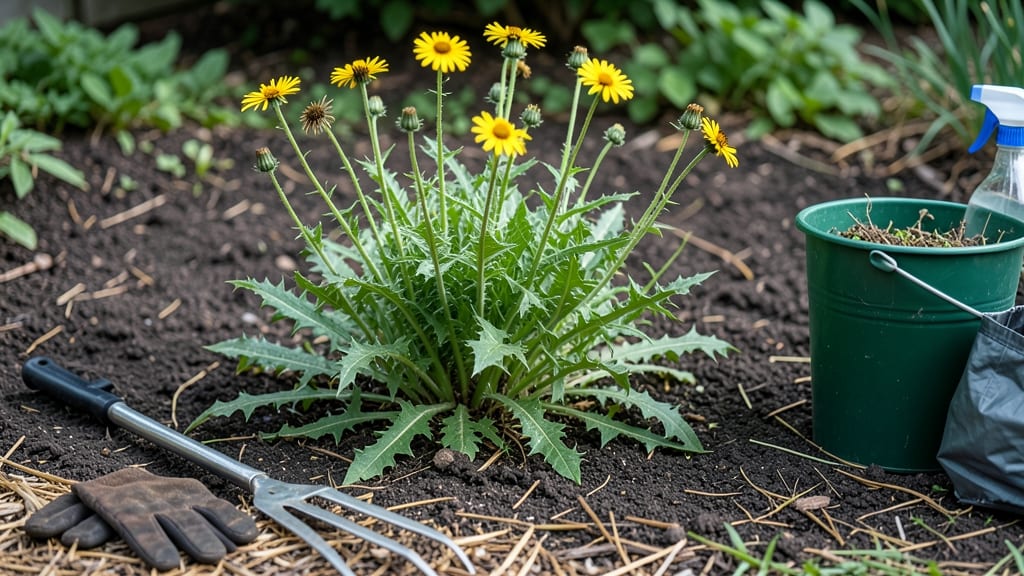
How to get rid of sow thistle—the garden weed that multiplies overnight. 🌱 I’ve spent years battling these spiky invaders—until I discovered the boil-and-pour method that stops them in their tracks by suffocating roots within hours. No more pulling stubborn taproots or watching them regrow. The secret lies in timing and technique. Pull young plants when soil is damp, then pour boiling water directly onto the roots to kill them instantly. For established patches, repeat weekly until the area stays weed-free. This method works on concrete, soil, or cracks—no chemicals needed. You’ll see results in 24-48 hours: leaves wilt, roots rot, and the area stays clear for weeks. The key is persistence—sow thistle is tough, but this method breaks its cycle. Perfect for vegetable beds, pathways, or anywhere these thorny weeds take over. Works year-round but is most effective in spring and fall when plants are actively growing. For stubborn patches, combine with a vinegar-salt spray for extra power. Let’s reclaim your garden!
Root Causes of Sow Thistle Spread
Sow thistle (Sonchus oleraceus) isn’t just a random weed—it’s a highly opportunistic invader that thrives thanks to a mix of environmental, biological, and even human-driven factors. Understanding why it takes over your garden or yard is the first step to stopping it.
Below, we break down the key triggers behind its relentless growth, from soil conditions to seasonal timing.
Sow thistle loves disturbed, nutrient-rich soil—especially if it’s compacted, waterlogged, or recently tilled. Here’s why:
- Nitrogen Overload: Gardens fertilized with high-nitrogen amendments (like fresh manure or synthetic fertilizers) create the perfect buffet for sow thistle.
These weeds absorb nitrogen rapidly, outcompeting slower-growing plants like vegetables or lawn grass. - Weak Soil Structure: Loose, sandy, or clay-heavy soils lack organic matter, making them easy for sow thistle seeds to germinate in.
Their taproots (which can grow 3–4 feet deep) exploit these gaps, anchoring the plant firmly. - Moisture Retention: While sow thistle tolerates drought, it explodes in growth after heavy rain or irrigation. Overwatering—especially in shady or poorly drained areas—creates the ideal moisture window for germination.
Actionable Insight: 💡 If your soil is too rich or too loose, amend it with compost or coarse sand to improve structure while reducing nitrogen availability (use slow-release, balanced fertilizers).
Sow thistle isn’t picky—it germinates year-round in warm climates, but its peak spread happens during spring and fall. Here’s the science:
- Spring Surge: As temperatures rise above 50°F (10°C), sow thistle seeds germinate within days of landing in soil.
Their rosette stage (low-growing leaves) goes undetected until they bolt into tall, flowering stalks (up to 5 feet). - Fall Resilience: Unlike annual weeds that die in frost, sow thistle produces thousands of seeds per plant before winter.
A single mature plant can drop 50,000+ seeds, which remain viable for years in the soil. - Drought Tolerance: Once established, sow thistle shuts down growth in dry spells but rebounds quickly when rain returns, making it harder to control.
Actionable Insight: ✨ Prevent spring germination by mulching bare soil in late winter or using a pre-emergent herbicide (like corn gluten meal) before seeds sprout.
Sow thistle doesn’t just grow—it hitchhikes on human behavior. Here’s how:
- Gardening Tools: Weeds cling to shovels, rakes, and mower blades, then get planted accidentally in new areas.
Even a small fragment of root can regrow. - Compost and Mulch: If your compost pile isn’t hot enough (140°F+ for 3+ days), sow thistle seeds survive and spread when you use it as mulch. - Wildlife and Livestock: Birds, deer, and even squirrels eat the seeds and distribute them via droppings.
Livestock grazing can trample seeds into soil, increasing germination rates.
Actionable Insight: 🔥 Clean tools with bleach or vinegar after use, inspect compost piles for weeds, and avoid moving soil from infested areas.
Sow thistle doesn’t just grow—it dominates by:
- Shading Out Competitors: Its rapid vertical growth (up to 2 inches per day) blocks sunlight from grasses, flowers, and crops.
- Allopathic Chemicals: Like many weeds, sow thistle releases allelopathic compounds into the soil, inhibiting seed germination of nearby plants.
- Root Competition: Its deep taproot steals water and nutrients, weakening lawns and garden beds.
Actionable Insight: 🌡️ Plant dense ground covers (like clover or creeping thyme) to smother sow thistle before it takes hold.
Sow thistle is a cosmopolitan weed, meaning it thrives in diverse climates, but it prefers:
- Temperate Zones: USDA Hardiness Zones 3–10 (it’s invasive in Europe, Asia, and North America).
- Urban and Suburban Spaces: Cracks in pavement, construction sites, and neglected lots provide ideal germination spots.
- High Humidity: Areas with frequent dew or morning mist keep seeds moist, aiding germination.
Actionable Insight: 🎯 If you’re in a humid region, reduce overhead watering and improve airflow in garden beds to discourage growth.
Tactical Ways to Eliminate Sow Thistle
Sow thistle may seem like a stubborn weed, but with the right approach, you can reclaim your garden or yard in no time. Below are targeted solutions based on the root cause of your sow thistle problem—whether it’s spreading seeds, deep roots, or persistent regrowth.
Each method is designed to be effective, practical, and easy to implement, with prevention tips to keep it from coming back.
Sow thistle thrives by dropping thousands of seeds, so cutting off its reproductive cycle is key.
🔥 Pull Early & Often (Before Seeds Form)
- When? Remove young plants before they flower (usually spring to early summer).
- How?
- Wear gloves and grasp the base of the plant.
- Twist and tug to pull the entire root (even small fragments can regrow).
- Drop plants in a sealed bag (not the compost) to prevent seed dispersal.
- Pro Tip: 💡 Water the soil first—wet ground makes roots easier to extract.
🗑️ Bag & Bag Again (No Compost!)
- Why? Even a tiny piece of stem left in the soil can sprout.
- How?
- Place pulled plants in a heavy-duty trash bag.
- Double-bag and dispose of it immediately (don’t leave it near your garden).
- Burn if possible (check local regulations) for extra security.
🌡️ Boil-and-Pour Barrier (Kills Roots & Seeds) (The star of this article!)
- Why? Boiling water denatures proteins in roots and seeds, killing them on contact.
- How? 1. Boil 1 gallon of water (add 1 tbsp salt or vinegar for extra potency).
- Pour directly over the base of the plant (focus on the root zone).
- Repeat every 2-3 days for 2 weeks to ensure full root death.
- Reapply after rain—water dilutes the effect. - Pro Tip: ✨ Use a funnel or hose attachment for precise pouring in large areas.
Sow thistle roots are tough, but cutting off sunlight and nutrients weakens them over time.
📦 Cardboard or Thick Mulch Barrier
- Why? Blocks light, preventing photosynthesis and starving roots.
- How?
- Lay unwaxed cardboard (no tape!) over the area.
- Cover with 3+ inches of mulch (straw, wood chips, or grass clippings).
- Wait 4-6 weeks—roots will decompose, and new growth won’t emerge.
- Pro Tip: 🎯 Water the area first to help mulch settle and smother effectively.
🔪 Dig Deep for Stubborn Roots
- When? If sow thistle keeps regrowing after pulling.
- How?
- Use a hand trowel or dandelion digger to pry roots loose.
- Check for tiny rootlets—even ½-inch pieces can sprout.
- Soak the hole in vinegar (1:1 ratio with water) after digging to kill remnants.
- Pro Tip: ⏰ Do this on a dry day—wet soil makes roots slippery and harder to remove.
If manual methods aren’t enough, targeted herbicides can help—but use them strategically.
🔥 Vinegar + Dish Soap Spray (Organic Option)
- Why? Vinegar’s acidity burns plant tissue, while soap helps it stick.
- How?
- Mix 1 gallon white vinegar + 1 oz dish soap + 1 cup salt.
- Spray directly on leaves and stems (avoid desirable plants).
- Reapply every 2-3 days until yellow/brown (roots may take longer).
- Pro Tip: 🌡️ Apply on a sunny, windless day—heat increases effectiveness.
💊 Glyphosate (For Severe Infestations)
- Why? Systemic herbicide kills roots and prevents regrowth.
- How?
- Follow label instructions precisely (safety first!).
- Spot-treat only sow thistle—avoid drift onto edibles.
- Wait 1-2 weeks, then dig up dead plants to remove roots.
- Pro Tip: 🚫 Never use glyphosate before rain—it can wash away before working.
Once you’ve eliminated the current problem, stop future invasions with these habits:
- 🌱 Maintain a weed-free border – Regularly check edges of gardens/paths.
- 🕳️ Fill in cracks & bare soil – Sow thistle loves disturbed ground; mulch heavily.
- 🐛 Encourage beneficial insects – Ladybugs and ground beetles eat sow thistle seeds.
- 🌿 Plant dense ground covers – Clover, creeping thyme, or strawberries outcompete weeds.
- 🗓️ Schedule seasonal checks –
- Spring: Pull young sprouts before flowering.
- Fall: Remove any remaining plants before seed drop.
Final Note: Consistency is key—sow thistle is persistent, but combining these methods will give you the upper hand. Start with boil-and-pour for roots, smother for large patches, and preventive habits to keep your space sow-thistle-free!
Frequently asked questions
Why does sow thistle keep coming back after I pull it?
Even tiny root fragments can regrow, and sow thistle produces 50,000+ seeds per plant that stay viable for years. The key is removing the entire root system—especially the deep taproot—and preventing seed dispersal by double-bagging pulled plants. For stubborn regrowth, try the boil-and-pour method to kill hidden roots.
Can I use boiling water on concrete or pavement cracks?
Boiling water is safe for concrete and works great in cracks where sow thistle sprouts. Just pour it directly into the crack—it’ll kill the roots without damaging the surface. For extra protection, repeat weekly until no new growth appears. This method is perfect for driveways, sidewalks, and patios.
Is vinegar alone enough to kill sow thistle?
Vinegar helps, but it’s most effective when mixed with dish soap and salt (1 gallon vinegar + 1 oz soap + 1 cup salt). Pure vinegar may require multiple applications, while the mix burns plant tissue faster. For best results, spray on a sunny day and reapply every 2-3 days until the plant wilts completely.
How do I prevent sow thistle from spreading to my vegetable garden?
Start by removing any nearby plants before they flower, then create a 3-inch mulch barrier (straw or wood chips) around garden edges. Plant dense ground covers like clover or thyme to outcompete weeds, and inspect compost piles—sow thistle seeds survive if the pile isn’t hot enough. Regularly clean gardening tools with vinegar or bleach.
Will glyphosate harm my lawn or other plants?
Glyphosate is non-selective, so it can damage nearby plants if it drifts. Always spot-treat only the sow thistle (use a shield or windless day), and avoid applying before rain. For lawns, consider a targeted herbicide like triclopyr instead. After treatment, remove dead plants to prevent seed spread, and water the area to help grass recover.