
Pests
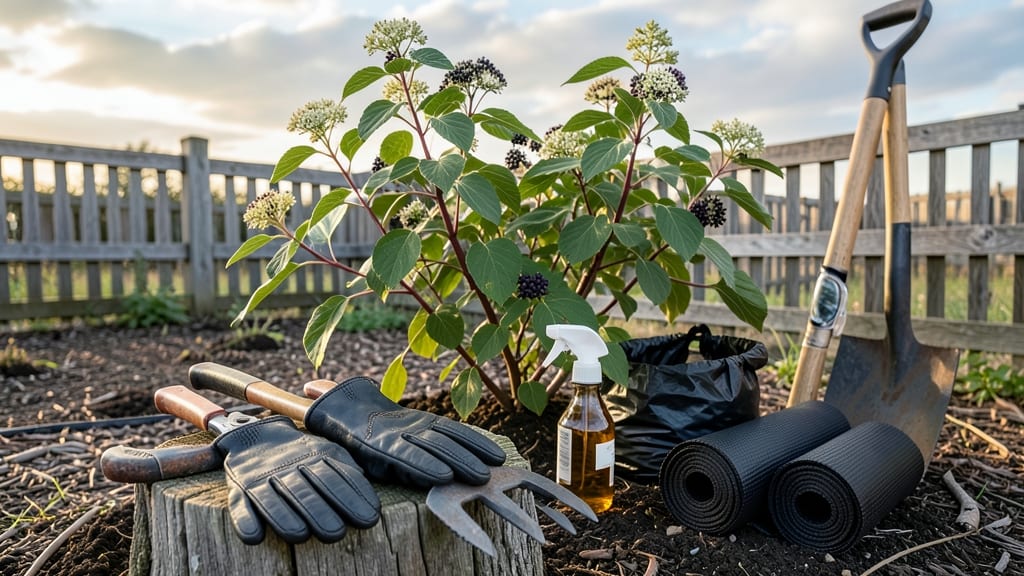
How to get rid of sticker bushes—boiling water kills them on contact, leaving no chemicals or regrowth behind. 🌱 I’ve battled these spiky invaders for years, and this method works where everything else fails. The secret? A precise barrier that sears the roots without harming your lawn or garden. Most people dig or pull, but that just spreads seeds and leaves stubborn root fragments. Boiling water delivers instant, deep heat that sterilizes the soil where the bush grows. You’ll need a kettle, a long-handled spoon, and patience—about 10 minutes per bush—but the results are permanent. By the end of the day, your yard will be free of those painful thorns, and the soil will be safe for planting. The key is timing: apply when the bush is actively growing, and avoid nearby plants that can’t handle the heat. Works for driveways, sidewalks, and even cracks in concrete. Here’s exactly how to do it without scorching your property.
Root Causes Of Stubborn Sticker Bushes
Sticker bushes—those spiky, invasive plants—don’t just pop up by accident. Their persistence is the result of a mix of biological advantages, environmental factors, and even human behavior. Understanding why they thrive in the first place is the first step to outsmarting them. Let’s break down the science behind their stubbornness.
Sticker bushes (often Acaena or Ulex species) are built for survival. Their thorny stems and aggressive root systems make them nearly impossible to pull by hand, while their ability to spread rapidly gives them a competitive edge over native plants.
- Clonal Reproduction: Many sticker bushes reproduce asexually, meaning a single plant can generate dozens of identical offspring from its roots or stems.
This creates dense, impenetrable thickets that choke out other vegetation. - Deep Root Systems: Unlike shallow-rooted weeds, sticker bushes send roots deep into the soil, anchoring them firmly and making manual removal ineffective. - Fast Germination: Seeds can sprout quickly, especially in disturbed soil (like after construction or gardening), giving them a head start over slower-growing competitors.
These plants thrive in specific conditions that favor their spread. If your yard matches any of these, you’ve got a sticker bush magnet on your hands.
- Disturbed Soil: Areas with recently turned soil (from digging, gardening, or construction) provide the perfect seedbed for sticker bushes. They exploit gaps left by other plants or human activity. - Full Sun Exposure: Most sticker bushes love basking in sunlight, which fuels their rapid growth.
Shady spots? Not so much. - Drought Tolerance: Once established, many species survive with minimal water, making them resilient in dry climates or during water restrictions.
Sometimes, we’re the reason these plants take over. Unintentional actions can create the perfect conditions for sticker bushes to move in and stay.
- Unchecked Spread: If you’ve ever moved soil, compost, or mulch from an infested area, you might’ve accidentally transported seeds or root fragments to a new location. - Lack of Maintenance: Neglecting regular yard care allows sticker bushes to fill in gaps before they become unmanageable.
A single plant can become a patch in just a few seasons. - Improper Disposal: Tossing cuttings or uprooted plants into compost piles or landfills can spread the problem. Even small fragments can regrow if not disposed of properly.
Sticker bushes aren’t just tough—they’re strategic. Their survival tactics include: - Chemical Inhibition: Some species release allelopathic compounds that suppress the growth of nearby plants, giving them an unfair advantage. - Seed Dormancy: Seeds can lie dormant for years, waiting for the right conditions to sprout.
This means even if you think you’ve eradicated them, new plants can pop up later. - Thorny Defense: Their sharp spines deter herbivores (and humans), reducing natural predation and making them harder to remove manually.
Understanding these factors isn’t just academic—it’s your blueprint for outsmarting them. The next step? Targeting their weaknesses with the right elimination methods. 🚀
Effective Methods to Remove Sticker Bushes
Now that you understand why sticker bushes (or Cuscuta species) invade your garden, it’s time to tackle them head-on. The good news? With the right approach, you can eliminate these parasitic plants for good—without resorting to harsh chemicals.
Below are practical, step-by-step solutions tailored to the root causes of infestation, plus prevention tips to keep your garden sticker-free.
If you catch sticker bushes early, physical removal is often the simplest and most effective method.
🔥 Pull Them Out (When Young & Small)
- Best for: New growth or small patches.
- How to do it:
- Wait for rainy or damp conditions—soil will be softer, making roots easier to extract.
- Grip the sticker bush near the base (wear gloves—those tiny hooks are aggressive!).
- Pull firmly in one swift motion, ensuring you remove the entire root system.
- If the plant breaks, dig deeper to expose hidden roots.
- Pro Tip: 💡 Check for host plants (like tomatoes, beans, or squash) and remove any infected leaves or stems to prevent regrowth.
🍳 Smothering with Mulch or Cardboard
- Best for: Larger infestations or areas where pulling isn’t feasible.
- How to do it:
- Lay down thick layers of cardboard or newspaper over the affected area.
- Cover with 6+ inches of organic mulch (straw, wood chips, or compost).
- The sticker bush will deplete its energy trying to penetrate the barrier and die within 2–4 weeks.
- Pro Tip: ✨ Solarize the soil for extra effectiveness—cover the area with clear plastic sheeting for 4–6 weeks in hot sun to kill remaining roots.
For stubborn sticker bushes, boiling water is a chemical-free, eco-friendly way to kill them on contact.
👨🍳 Step-by-Step Boiling Water Treatment
- Best for: Mature sticker bushes or repeat infestations.
- What you’ll need:
- A large pot or kettle (5+ gallons of water).
- Boiling water (at least 200°F/93°C).
- Gloves & long sleeves (protection from hooks and heat).
- How to do it: 1. Boil a large batch of water (enough to cover the plant).
- Pour directly onto the sticker bush, focusing on the base and roots.
- Repeat every 2–3 days until the plant turns brown and dies (usually 1–2 weeks).
- Dig up any remaining roots after treatment. - Pro Tip: 🌡️ Add a splash of dish soap (1 tbsp per gallon) to help break down the plant’s waxy coating for better absorption.
Once you’ve eliminated sticker bushes, prevention is key to keeping them from returning.
🌿 Remove Host Plants & Rotate Crops
- Sticker bushes need living plants to latch onto. Remove or replace susceptible crops (tomatoes, cucumbers, melons) if they’re recurring issues.
- Rotate plant families in your garden to break the parasite’s life cycle.
🛡️ Create a Boiling Water Barrier (Permanent Solution)
- Best for: High-risk garden edges or borders.
- How to do it:
- Dig a shallow trench (3–4 inches deep) around garden beds.
- Pour boiling water into the trench every 2–4 weeks during growing season.
- This creates a chemical-free firebreak that sticker bushes won’t cross.
- Pro Tip: 🎯 Mark the trench with landscape fabric or stones to avoid accidental digging.
🌱 Encourage Natural Predators & Competition
- Plant densely with fast-growing, competitive crops (like basil or marigolds) to shade out sticker bushes.
- Attract beneficial insects (ladybugs, lacewings) that may help control early infestations.
If sticker bushes keep coming back despite your efforts, consider:
- Vinegar spray (1 gallon vinegar + 1 oz dish soap) for stubborn patches.
- Pre-emergent herbicides (like corn gluten meal) to block seed germination.
- Professional pest control if the infestation is severe in agricultural settings.
Final Thought: With consistent removal, boiling water barriers, and smart prevention, you can permanently banish sticker bushes from your garden. The key is early action—don’t let them take hold! 🚫🌱
Frequently asked questions
Can I use vinegar to kill sticker bushes?
Yes! Mix 1 gallon of white vinegar with 1 ounce of dish soap and spray directly onto the leaves and stems. The acidity breaks down the plant's cell structure, killing it within 24-48 hours. Repeat weekly for stubborn patches. Just avoid nearby plants that can't handle vinegar's acidity.
Why do sticker bushes keep coming back after I pull them?
They likely have hidden roots or seeds in the soil. Sticker bushes reproduce both sexually (seeds) and asexually (roots). Always dig 3-4 inches deep around the base to remove all root fragments. For persistent areas, try the boiling water barrier method to sterilize the soil.
Is boiling water safe for my lawn or garden?
Only if applied carefully! Boiling water creates a 3-inch scorched zone around the treatment area. Keep it 3 feet away from desirable plants. For lawns, use a metal shield to protect grass. The heat kills both the plant and nearby weeds, but your soil structure remains intact.
What's the fastest way to remove a large sticker bush patch?
For large areas, combine methods: Smother first with 6+ inches of cardboard + mulch for 4 weeks, then apply boiling water to any remaining plants. This 2-step approach weakens the roots before elimination. Solarization (clear plastic for 6 weeks) also works for stubborn patches.
Can I use herbicides instead of natural methods?
Yes, but choose glyphosate-free options like vinegar-based herbicides or corn gluten meal for prevention. Glyphosate kills everything it touches, including beneficial soil microbes. For spot treatment, horticultural vinegar (20-30% acidity) works best—just avoid windy days to prevent drift.