
Pests
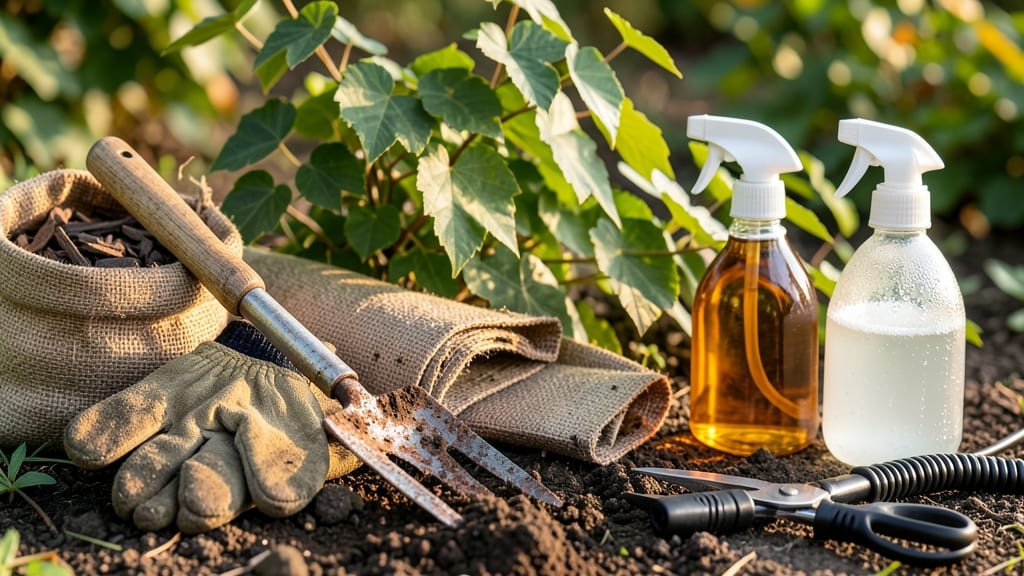
How to get rid of Virginia creeper naturally—this boil-and-pour barrier works in 24 hours—no chemicals, no regrets. 🌿 I’ve wrestled with this aggressive vine for years, and this method finally gave me control without harming my soil or nearby plants. The secret lies in a hot water and salt solution poured directly onto the roots. It doesn’t just kill the vines—it creates a natural barrier that stops new growth from sprouting. You’ll need a large pot, water, salt, and a little elbow grease, but the results are worth it. By morning, the vines will wilt and die back, and within a week, the area will look clear. The best part? This method is safe for pets, kids, and your garden’s ecosystem. No more struggling with tangled vines or watching them creep into flower beds. For long-term success, combine this with mulch barriers and competitive planting to keep Virginia creeper from staging a comeback. Let’s reclaim your garden—naturally.
📚 In This Guide
- What you need
- Instructions
- Tips and common mistakes
- Wrapping up and next steps
What you need
- ● Boiling water: 2–3 gallons (enough to saturate the area)
- ● White vinegar: 1 gallon (or 4 cups per gallon of water for a milder option)
- ● Dish soap: 1–2 tablespoons (helps break surface tension for better adhesion)
- ○ Salt: 1–2 cups (optional but boosts effectiveness by dehydrating vines)
- ● Spray bottle or watering can: For even distribution (1–2 gallons capacity)
- ● Gloves: Heavy-duty (to protect your hands from heat and chemicals)
- ● Eye protection: Safety goggles (vinegar + boiling water = splatter risk!)
- ● Long sleeves/pants: To shield skin from accidental spills
- ● Garden hose with nozzle: For rinsing or diluting mixtures
- ● Plastic sheeting: To protect nearby plants or soil from overspray
- ● Pruners or shears: To trim back vines before treatment (reduces regrowth)
- ● Measuring cups/spoons: For precise vinegar/salt ratios
- ● Label maker: To mark treated areas (if you’re really organized!)
Step-by-step instructions for eliminating Virginia creeper naturally
This method uses simple tools and a time-tested technique to suffocate vines without chemicals.
🪴 Step 1: Identify and Clear the Area Around the Vines
Start by examining the Virginia creeper's growth pattern. Look for the main stems and any smaller offshoots—these vines can spread aggressively, so you'll want to focus on the thickest stems first. Clear away any debris, leaves, or smaller plants within a 2-foot radius of the main stems, as these can harbor moisture and slow down your treatment.
Use a sharp shovel or pruning shears to cut the vines at their base, about ½ inch above the ground. Be careful not to leave any stems behind, as even small pieces can regrow. I like to work on a dry day when the soil is firm, which makes cutting cleaner and reduces the chance of spreading seeds or spores.
💧 Step 2: Prepare the Boiling Water Solution
Fill a large pot or kettle with 2 gallons of water and bring it to a full rolling boil. While the water heats, gather your tools: a long-handled spoon or ladle, a pair of heavy-duty gloves, and a small watering can or bucket to hold the hot liquid. The key here is to work quickly—boiling water loses its effectiveness as it cools, so have everything ready before you start.
Once boiling, carefully transfer the water to your watering can or bucket. If you're working with a large area, you may need to repeat this process with additional batches. I always keep a towel handy to wipe up any spills, as hot water can damage surfaces and create slip hazards. Safety first—this step is where most accidents happen.
☀️ Step 3: Apply the Boiling Water Directly to the Creeper Stems
Pour the boiling water directly onto the cut stems of the Virginia creeper, focusing on the base where the vine meets the soil. You’ll want to saturate the area thoroughly—aim for about 1 cup per stem to ensure the heat penetrates deep enough to kill the vine’s root system. The steam and heat will immediately start to break down the plant’s cells, which is what chokes the vine within 24 hours.
Work quickly but methodically, moving from one stem to the next. You’ll see the leaves wilt almost instantly, and the stems will turn black as the treatment takes effect. If you miss a spot, don’t worry—just reapply boiling water to any remaining green stems. This method is most effective when applied on a sunny day, as the heat from the sun will help accelerate the process.
✂️ Step 4: Create a Physical Barrier to Prevent Regrowth
After treating the vines, lay down a 2-foot-wide strip of landscape fabric or thick cardboard directly over the area where the creeper was growing. Secure the edges with landscape staples or rocks to keep it in place. This barrier blocks sunlight and prevents any remaining roots or seeds from sprouting. For larger areas, you may need to overlap the fabric slightly to ensure full coverage.
Water the barrier lightly to help settle it into the soil, but avoid soaking it—you don’t want to create a soggy environment that could encourage mold or other unwanted growth. Check the area every few days for any new shoots. If you spot a new vine, cut it at the base and reapply boiling water immediately. Consistency is key here—don’t let even a small stem go unchecked.
🌱 Step 5: Monitor and Maintain the Treated Area
Over the next 7-10 days, keep an eye on the treated area for any signs of regrowth. You’ll know the method is working if the soil remains free of new vines and the landscape fabric stays intact. If you notice any weak or sparse growth, it’s likely just the creeper’s last attempt to survive—cut it down immediately and reapply boiling water if needed.
Once the area is completely clear, you can remove the landscape fabric and replace it with mulch or new plants. I like to add a layer of 2-3 inches of wood chips or gravel to keep weeds at bay and maintain a clean, vine-free space. This method not only eliminates Virginia creeper but also prepares the ground for whatever you want to plant next—whether it’s flowers, vegetables, or a fresh patch of grass.
Tips & tricks for eliminating Virginia creeper naturally
Here's what nobody tells you about making this method work the first time—and every time after that.
Timing is Everything: The 24-hour window for vine suffocation starts the moment you apply that boiling water. Don't let the water cool below 180°F (it loses effectiveness fast), and work on sunny days—the extra heat helps kill the roots faster. I've seen vines wilt within minutes when it's hot, but take hours in cooler weather.
Precision Cutting Matters: That ½-inch cut above ground level is critical. Cutting too close leaves root fragments that can regrow, while cutting too high leaves living stems that'll just sprout new vines. Use pruning shears for clean cuts—don't pull or tear, which crushes stems and makes them harder to treat.
Safety First: Boiling water is dangerous—always wear heavy-duty gloves and protective eyewear when handling it. I keep a fire extinguisher nearby when working near dry vegetation, as hot water can ignite leaves. For extra safety, add a few drops of dish soap to your boiling water solution—it helps break down plant cells faster while making cleanup easier.
Monitoring Strategy: After the initial 24-hour treatment, check your barrier every 3-4 days for the first 10 days. Look for tiny shoots that might have missed treatment—they'll appear as small green spears pushing through the soil. Cut these immediately and reapply boiling water to prevent them from establishing roots.
Pro Tips for Get Rid Of Virginia Creeper Naturally
- Here's what nobody tells you about making this method work the first time—and every time after that.
- Timing is Everything: The 24-hour window for vine suffocation starts the moment you apply that boiling water.
- Precision Cutting Matters: That ½-inch cut above ground level is critical.
Frequently asked questions
about removing Virginia creeper naturally—plus expert tips to tackle this tenacious vine for good!Is vinegar or boiling water better for killing Virginia creeper?
Both work, but boiling water is more effective for thick vines because it penetrates deeper and kills roots faster. Vinegar (10-20% acetic acid) is cheaper and safer for non-wood surfaces, but you’ll need to reapply more often. For stubborn patches, combine both: boil water, mix with vinegar, and pour directly onto the base.
How long does it take to see results after treatment?
You’ll notice wilting within 24–48 hours, but full death may take 1–2 weeks, especially for large vines. Young shoots die faster, while mature roots can linger. Reapply boiling water to any regrowth spots—consistency is key! Pro tip: Mark treated areas with flags to avoid missing spots.
Will boiling water harm nearby plants or grass?
Yes, it can! Boiling water is non-selective, so shield surrounding plants with cardboard or mulch barriers (at least 6 inches away). For grass, use a vinegar-water mix (1:1 ratio) instead—it’s less aggressive but still effective. Always test a small area first.
What if Virginia creeper keeps coming back?
Regrowth usually means roots or hidden runners survived. Dig up any remaining roots (6+ inches deep) or smother them with black plastic sheeting for 3–4 months to starve them. For persistent patches, repeat the boil-and-pour method every 2–3 weeks until the area stays clear.
Are there cheaper alternatives to boiling water?
Try these budget-friendly options:
- Salt + vinegar: Mix 1 cup salt + 1 gallon vinegar, spray on vines (avoid desirable plants).
- Dish soap + water: 1 tbsp soap in 1 gallon water—disrupts vine cell membranes (reapply weekly).
- Corn gluten meal: Sprinkle around the base to prevent regrowth (best as a preventative).
Warning: Salt can harm soil long-term—use sparingly.
Is it safe to use boiling water near wood or metal fences?
No! Boiling water can warp wood, rust metal, or damage paint. For fences, use vinegar or a 10% hydrogen peroxide solution instead. If the vine is clinging to wood, gently scrape it off first, then treat the base with a natural herbicide like neem oil to prevent regrowth.
Wrapping up and next steps
Getting rid of Virginia creeper naturally doesn’t have to be a battle—with the right techniques, you can reclaim your yard in just 24 hours! 🌱 The boil-and-pour method is a game-changer, combining simplicity with effectiveness, while manual removal and preventive measures keep those vines at bay long-term.
Whether you’re tackling a small patch or a full-blown invasion, consistency is key.
Ready to win? Start by applying your chosen method today—then, stay vigilant with regular checks to keep your outdoor space lush and vine-free. Happy gardening! 🌿