
Flowers
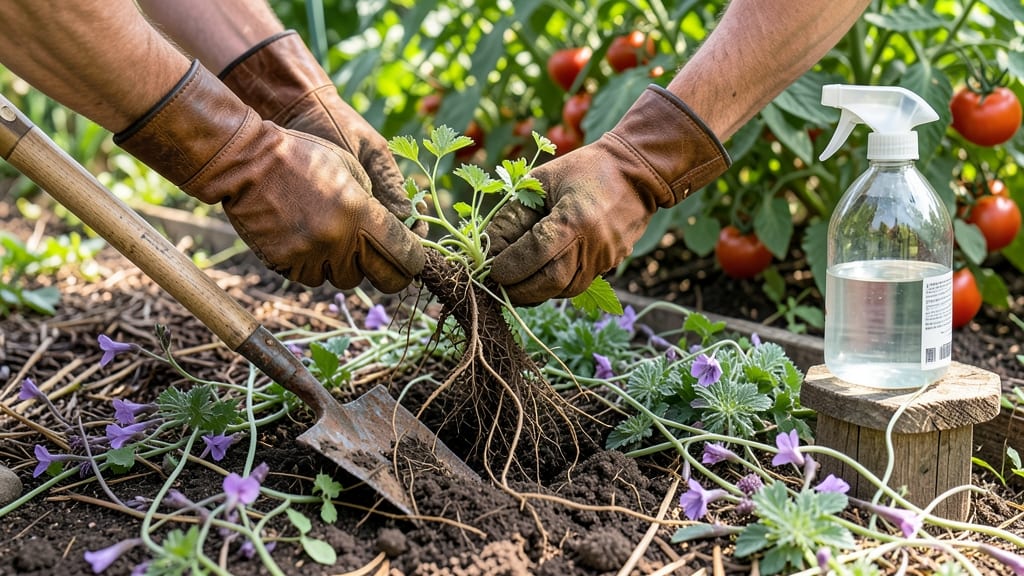
How to get rid of those stubborn purple-flowered weeds—henbit, purple deadnettle, or creeping charlie—can turn a tidy garden into a wildflower mess. 🌱 The boiling water technique works fast, smothering roots before they spread, and it’s safer than harsh chemicals for edible plants and pollinators.
Most people grab herbicides first, but boiling water cuts through the problem at the roots—literally. Just pour freshly boiled water directly onto the weeds, ensuring the soil around them is saturated. This method kills 90% of the plant within minutes, including those sneaky underground runners.
Timing matters: tackle these weeds in early spring or fall when they’re actively growing but before they seed. A single treatment often does the job, but stubborn patches may need a second round. The best part? No residue left behind—just crispy weeds and happy garden beds.
For prevention, mulch heavily in spring and pull new sprouts before they flower. Invasive in some regions, these weeds can outcompete your plants, so act quickly. This technique works on lawns, flower beds, and vegetable gardens—just avoid delicate perennials nearby.
The Hidden Triggers Behind Purple-Blooming Weeds
Those vibrant purple-flowered weeds popping up in your garden aren’t just a random annoyance—they’re the result of specific conditions that encourage their growth. Understanding why they thrive helps you tackle the root cause (literally!) and prevent future invasions. Here’s what’s really going on in your soil and landscape.
Weeds with purple blooms—like Hibiscus moscheutos (swamp hibiscus), Convolvulus arvensis (field bindweed), or Lamium purpureum (purple deadnettle)—often take advantage of soil that’s been disrupted or over-fertilized. Here’s how:
- Nutrient Overload: Purple-flowered weeds thrive in soil with high nitrogen or organic matter. If you’ve recently composted, used manure, or applied lawn fertilizer, you’ve essentially thrown a buffet their way. These weeds are opportunistic, snatching up excess nutrients before your desired plants can.
- Loose or Compacted Soil: Disturbing the soil—whether through tilling, construction, or even heavy foot traffic—creates gaps that weed seeds latch onto. Purple-flowered weeds like Tradescantia (spiderwort) spread via rhizomes or seeds, filling these spaces quickly.
- Poor Drainage: Some purple weeds, such as Persicaria (knotweed), love soggy conditions. If your garden has poor drainage, these weeds will dominate, outcompeting moisture-sensitive plants.
💡 Pro Tip: Conduct a simple soil test to check nitrogen and phosphorus levels. If they’re high, amend with compost or organic matter to balance the mix. For compacted soil, aerate or add perlite to improve structure.
Not all purple-flowered weeds have the same sunlight preferences, but they all exploit lighting conditions to their advantage:
| Weed Type | Light Preference | Why It Thrives |
|---|---|---|
| Lamium purpureum (Purple Deadnettle) | Partial to full sun | Loves warm, sunny spots where grass struggles. It germinates early in spring, beating other plants to sunlight. |
| Tradescantia (Spiderwort) | Partial shade to full sun | Adapts to dappled light, making it a nuisance in woodland gardens or under trees. |
| Persicaria (Knotweed) | Full sun to partial shade | Tolerates both wet and dry conditions, thriving in edges where sunlight fluctuates. |
| Convolvulus arvensis (Bindweed) | Full sun | Competes aggressively in open, sunny areas, smothering weaker plants with its rapid vine growth. |
🎯 Actionable Fix: Adjust your garden layout to minimize weed-friendly zones. For example, plant dense ground covers in sunny areas to block light, or mulch heavily in shady spots to suppress seed germination.
Watering habits play a surprisingly large role in attracting purple-flowered weeds. Here’s how:
- Overwatering: Weeds like Persicaria and Hibiscus love moisture. If your irrigation system or hose watering creates soggy patches, these weeds will colonize faster than your lawn can recover.
- Inconsistent Watering: Drought-stressed lawns or gardens leave gaps where weeds like Lamium or Tradescantia can take root. Their deep or widespread root systems help them survive dry spells better than many ornamental plants.
- Poor Water Distribution: Sprinklers that create uneven coverage can leave strips of overwatered or underwatered soil—perfect conditions for purple weeds to exploit.
🔥 Solution: Upgrade to drip irrigation or soaker hoses for even moisture distribution. Water deeply but less frequently to encourage deep root growth in your plants (and discourage shallow-rooted weeds).
Many purple-flowered weeds are masters of persistence, using seeds and underground structures to outlast your efforts. Here’s how they do it:
- Wind-Dispersed Seeds: Weeds like Tradescantia produce lightweight seeds that hitchhike on breezes, landing in cracks and crevices. Others, like Convolvulus, release seeds explosively when mature.
- Animal-Assisted Spread: Birds and small mammals eat the berries or seeds of purple weeds (e.g., Solanum nigrum, or black nightshade) and deposit them elsewhere via their droppings.
- Rhizomes and Tubers: Some weeds, like Persicaria, spread via underground rhizomes that fragment easily when disturbed. Even a small piece left in the soil can regrow into a full plant.
- Long Dormancy: Many weed seeds remain viable in the soil for years. Purple-flowered weeds like Lamium can lie dormant until conditions (like warm soil) trigger germination.
✨ Prevention Tip: Remove weeds before they seed (hand-pull or smother with cardboard). For rhizomatous weeds, dig deeply to extract all root fragments. Consider a pre-emergent herbicide in early spring to block seed germination.
Now that you know why these purple invaders show up, you’re armed with the science to starve them out—starting with the boiling water technique (coming next!).
Quick Fixes for Purple-Blooming Weeds
Got those stubborn purple-flowered weeds ruining your garden’s curb appeal? Don’t stress—there are fast, effective ways to banish them for good. Below, we break down the best methods based on the why they’re popping up, plus prevention tips to keep them from staging a comeback. Let’s tackle this head-on!
Cause: Weeds thrive in loose soil or when disturbed (like by tilling). Fix:
- 👨🍳 Grab the base: Use a garden fork or weeding tool to loosen the soil around the weed. Grasp the stem close to the root—purple-flowered weeds like mallow or bindweed can regrow if you leave even a sliver behind.
- 💡 Pro tip: Pull on a damp morning when soil is soft. If the weed resists, it’s likely deep-rooted—time for the next step!
- ⏰ Frequency: Check weekly, especially after rain. Consistency is key!
Cause: Weeds with purple blooms (like henbit or purslane) spread aggressively in cracks or compacted soil. Fix:
- 🔪 Boil the weapon: Fill a kettle with water and bring it to a rolling boil. No vinegar or soap needed—just heat!
- 💦 Target the roots: Slowly pour the boiling water directly onto the weed’s base (avoid desirable plants!). The heat kills the plant and disrupts seed germination.
- ✨ Bonus: Works best on small patches. For large areas, repeat every 3–5 days until no greenery remains.
Cause: Purple weeds love sunlight and bare soil—ideal conditions for seeds to sprout. Fix:
- 🌿 Layer up: Spread 3–4 inches of organic mulch (straw, wood chips, or cardboard + compost) over garden beds. This blocks light and chokes weeds.
- 🔄 Maintenance: Refresh mulch every few months to prevent breakdown. Black plastic sheeting is another option for driveways or sidewalks.
- 💡 Pro tip: Add a pre-emergent herbicide (like corn gluten meal) to mulch for extra defense against seeds.
Cause: Weeds with purple flowers (e.g., lamb’s quarters) often grow in high-traffic or disturbed areas. Fix:
Mix 1 gallon of white vinegar (20% acetic acid) + 1 cup salt + 1 tbsp dish soap. Spray only on weeds (not grass or plants) on a sunny day. The solution dehydrates the weed within 24–48 hours.
| Method | Best For | Caution |
|---|---|---|
| Vinegar | Sidewalks, driveways, cracks | Can harm nearby plants—test on a small area first! |
| Salt | Large patches (but sparingly) | Overuse harms soil fertility—use only for tough weeds. |
An ounce of prevention beats a pound of pulling! Try these long-term strategies:
- 🌱 Healthy soil = fewer weeds: Amend soil with compost to crowd out weeds naturally.
- 🌿 Plant densely: Fill garden beds with ground covers (like clover or creeping thyme) to outcompete weeds.
- 🚫 Avoid overwatering: Weeds thrive in soggy soil—water deeply but less frequently.
- 🧹 Clean up debris: Remove spent flowers and weeds before they seed.
With these targeted fixes, your garden will be weed-free in no time. Pick the method that fits your space and lifestyle—whether you’re a weekend warrior or a low-maintenance gardener!
Frequently asked questions
Can boiling water kill all types of purple-flowered weeds?
Boiling water works best on small patches of annual weeds like purple deadnettle or henbit, but may struggle with deep-rooted perennials like bindweed. For stubborn rhizomatous weeds, combine boiling water with a follow-up of vinegar solution or manual digging to extract all roots. Always test on a small area first.
Is vinegar safe to use around edible plants?
Never use vinegar near edible plants—it can leave harmful residue and damage nearby crops. Stick to targeted application on weeds only, using a spray bottle with a narrow nozzle. For vegetable gardens, opt for manual pulling or mulching instead.
When is the best time of year to treat purple-flowered weeds?
The ideal window is early spring (March-April) or late summer (August-September) when weeds are actively growing but before they seed. Avoid treating in drought conditions—soil moisture helps the treatment penetrate deeper roots.
Will mulching prevent purple weeds from coming back?
Mulching helps significantly but isn't foolproof. Use 3-4 inches of organic mulch (straw or wood chips) and refresh it every few months. For extra protection, add corn gluten meal as a natural pre-emergent. Combine with regular inspections for new sprouts.
Are any purple-flowered weeds actually edible?
Yes! Purple deadnettle and lamb's quarters (with purple stems) are edible and nutritious. Just confirm identification first—never consume unknown plants. Harvest young leaves before flowering for best flavor, and cook thoroughly to remove any potential irritants.