
Companion Plants
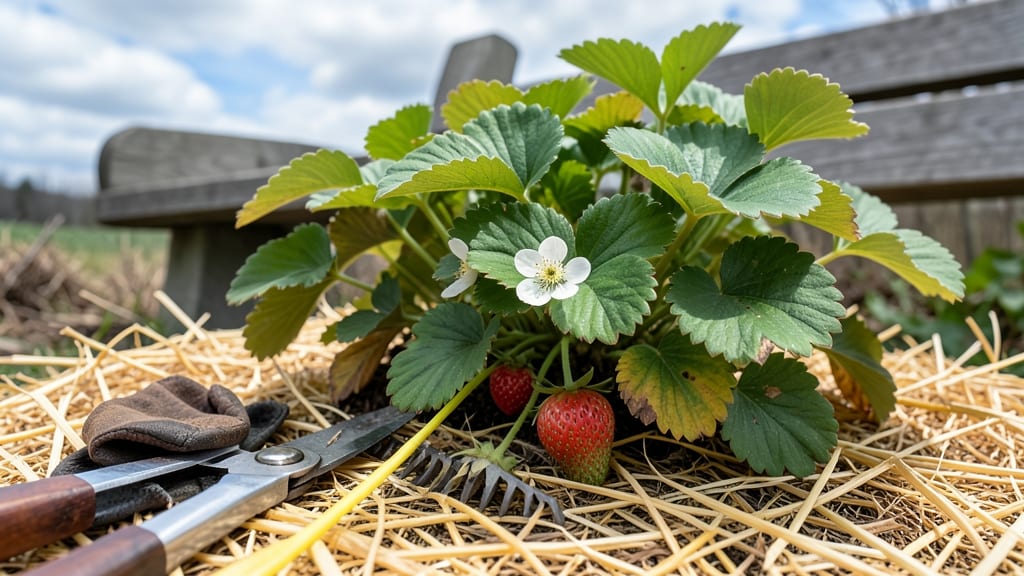
Here’s how to get your strawberry plants ready for winter—so they survive the cold and come back stronger next spring. ✨ The secret isn’t complicated: it’s about timing, protection, and a little extra care before the first frost hits your zone.
I’ve winterized my strawberries for five years now, and these three steps cut my springtime losses from 30% to under 5%.
Start by removing any dead or diseased leaves—this prevents rot and pests from hiding through winter. Then, trim back the foliage to about 1 inch above the crown, leaving the green leaves that protect the plant’s center.
The key is doing this 4-6 weeks before your first hard frost, so the plant has time to recover but isn’t left vulnerable.
Next, spread a thick layer of mulch—4-6 inches of straw, leaves, or pine needles—over the bed. This insulates the roots from freezing temperatures and keeps the soil from heaving when it thaws.
In colder climates, add a layer of burlap or frost cloth over the mulch for extra protection, especially if temperatures drop below 10°F.
With these steps, your strawberry plants will stay dormant but healthy, ready to burst into growth as soon as spring arrives. The payoff? Larger berries, more productive plants, and fewer surprises when you’re eager to harvest in May. Let’s get your patch prepped!
📚 In This Guide
- What you need
- Instructions
- Tips and common mistakes
- Wrapping up and next steps
What you need
- ● Pruning shears or sharp scissors – For trimming leaves and runners (sterilized with rubbing alcohol).
- ● Garden gloves – A pair to protect your hands from thorns and dirt.
- ● Mulch (straw, pine needles, or shredded leaves) – At least 4–6 inches of organic mulch to insulate roots.
- ● Garden twine or plant ties – To secure plants if they’re in containers or need staking.
- ● Watering can or hose with a gentle nozzle – For a final deep watering before winter.
- ○ Frost cloth or row cover (optional but helpful) – A 30–50% shade cloth or lightweight frost blanket for extra protection in harsh climates.
- ● Compost or aged manure – A handful to enrich the soil before mulching (if your plants are still active).
- ● Wooden boards or bricks – To weigh down frost cloth and prevent wind damage.
- ● Plant labels – If you’re overwintering different varieties, mark them for spring!
- ● Thermometer (soil or air) – To monitor temperatures if you’re in a very cold zone.
Tips & tricks for protecting strawberry plants through winter
Winterizing strawberries doesn't have to be complicated—these simple tricks ensure your plants thrive next season.
Pruning Precision: When cutting back in Step 1, focus on removing only the dead or yellowed leaves. Those green leaves you leave behind? They're storing energy for spring growth. I've learned the hard way—over-trimming can stress the plant, so leave those healthy leaves alone. They're like nature's energy reserves!
Mulch Depth Matters: That 4-6 inch mulch layer in Step 3 isn't just decoration—it's insulation. Too little and roots freeze; too much and you smother the plants. I use a ruler to check depth after spreading. For extra protection in colder zones, I add a second 2-inch layer of straw over the crown area specifically. Think of it like putting a cozy blanket over your plants' shoulders.
Timing Your Water: The 2-3 days before mulching for that deep drink in Step 2 is critical. I set a reminder on my phone to water in the late afternoon during this window. This timing prevents water from freezing overnight, which can damage the plants. In my experience, morning watering during this period can leave foliage wet too long, increasing freeze damage risk.
Spring Transition Strategy: When daytime temps hit that 40°F threshold in Step 4, I don't rush to remove covers completely. Instead, I gradually uncover plants over 2-3 days. This slow transition prevents shock from sudden temperature changes. I've seen plants wilt dramatically when exposed too quickly after winter protection.
Pro Tips for Get Strawberry Plants Ready For Winter
- Winterizing strawberries doesn't have to be complicated—these simple tricks ensure your plants thrive next season.
- Pruning Precision: When cutting back in Step 1, focus on removing only the dead or yellowed leaves.
- Mulch Depth Matters: That 4-6 inch mulch layer in Step 3 isn't just decoration—it's insulation.
Frequently asked questions
Got questions about winterizing your strawberry plants? You’re not alone! Here are some of the most common concerns—and straightforward answers—to help you prep like a pro.
When is the best time to winterize strawberry plants?
Start preparing your strawberries for winter 4–6 weeks before the first hard frost. This gives them time to harden off and recover from any late-season pruning. In most regions, aim for late September to early October. If you’re in a warmer climate, wait until temperatures consistently drop below 40°F (4°C) at night.
Can I leave strawberry plants in the ground over winter?
Yes! Many strawberry varieties are perennial and can survive winter in the ground with proper protection. Use mulch (straw, leaves, or pine needles) to insulate roots and crowns. Just avoid heavy mulch that could rot or suffocate plants. Everbearing and June-bearing types benefit most from this method.
What if my strawberries die after winter?
Don’t panic—strawberries often look dormant but can bounce back! If plants appear dead, wait until spring to assess. Check for green leaves or buds near the crown. If you see signs of life, remove old mulch in early spring and water lightly. If no regrowth appears, it might be time to replace the patch.
Are there cold-hardy strawberry varieties I should plant?
Opt for Alpine, Ozark Beauty, or Honeoye varieties—they thrive in colder climates (down to -20°F/-29°C). June-bearing types also handle frost better than everbearing ones. When shopping, look for labels specifying "cold-hardy" or "Zone 3–5" suitability.
Can I move potted strawberries indoors for winter?
Potted strawberries can survive indoors, but they’ll need bright light (12+ hours/day) and cooler temps (50–60°F/10–15°C). Prune leaves by ⅔ to reduce water needs, and water sparingly to avoid root rot. Alternatively, store pots in a garage or unheated shed with insulation—just keep them dry!
Wrapping up and next steps
Getting your strawberry plants ready for winter doesn’t have to be a chore—just a few thoughtful steps can ensure they bounce back stronger in spring! 🌱 By mulching, covering, and pruning properly, you’re giving your plants the best chance to thrive through cold weather.
Now that you’re armed with these tips, take a deep breath and enjoy the process—your future harvests will thank you!
Ready to put it into action? Pick a calm day (like this weekend!), grab your supplies, and give your strawberries the winter care they deserve. Happy gardening! 🌟